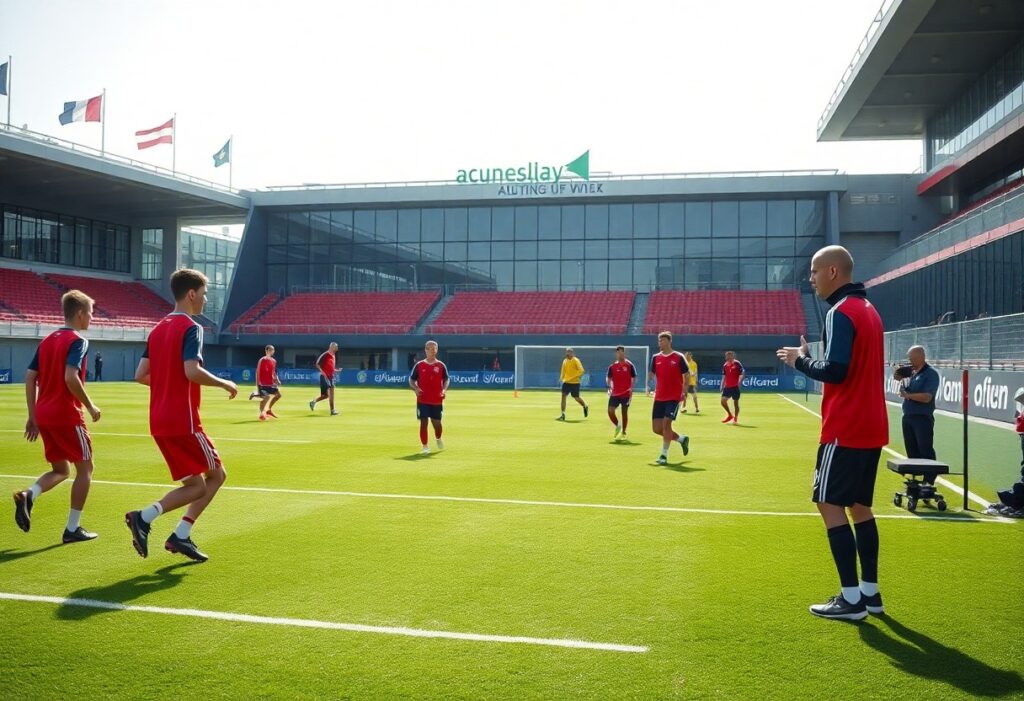
Over the past two decades Bundesliga clubs have combined rigorous youth academies, data-led scouting and deliberate game-time pathways to turn prospects into international stars; their model balances structured first-team exposure, scientific training and tactical education and careful load management to mitigate the risk of burnout and injury, producing technically advanced, mentally resilient players who thrive on the global stage.
Types of Player Development Programs
Bundesliga clubs run multiple, complementary pathways to turn prospects into first-team assets: structured club-run academies, expansive Talent Scouting Networks, reserve sides, strategic Loan Systems, and specialized Technical & Performance programs that use data and sports science to accelerate readiness.
| Youth Academies | Club-operated U8-U19 setups with education, strength & conditioning, and tactical curricula to produce homegrown first-team players. |
| Talent Scouting Networks | Regional scouts, data platforms and partner clubs identifying undervalued prospects across Europe, Africa, and beyond. |
| Reserve/Second Teams | U23 squads competing in lower divisions or reserve leagues to bridge the gap between youth football and senior competitive matches. |
| Loan Systems & Partnerships | Targeted loan placements with clear development plans-playing minutes, position-specific coaching, and performance KPIs. |
| Technical & Performance Programs | GPS tracking, VO2 testing, video analysis and individualized skill modules to speed tactical assimilation and reduce injury risk. |
- Youth Academies
- Talent Scouting Networks
- Reserve/Second Teams
- Loan Systems
- Technical & Performance
Youth Academies
Schalke 04, Borussia Dortmund and Bayern maintain full-time academies that combine classroom schooling, individualized physical programs and staged competitive goals; clubs typically field U17 and U19 teams and house between 60-120 youth players while tracking technical KPIs, producing graduates like Manuel Neuer and Mesut Özil, with a strong emphasis on match minutes and mentorship to avoid early specialization and burnout.
Talent Scouting Networks
Clubs deploy regional scouts, data subscriptions (Wyscout/InStat), and local trials to assess thousands of prospects yearly, targeting undervalued markets; integration of qualitative scouting with algorithmic profiles helps spot late developers and position-specific traits cost-effectively.
Scouting combines in-person observation-movement patterns, decision-making under pressure-and objective metrics like sprint speed and positional heatmaps; successful case studies show clubs finding starters in Scandinavia, Eastern Europe and West Africa while saving transfer fees, yet misreads can produce expensive signings, so tight feedback loops with academy coaches and trial periods are mandated. Any successful network still depends on timely coach-led integration into training and match plans.
Step-by-Step Approach to Player Development
Bundesliga academies follow a sequenced model: baseline testing, individualized programming, monitored load management and staged exposure to senior football. Clubs typically prescribe 12-15 training hours weekly for academy players aged 16-19, use 10Hz GPS and video analysis for objective metrics, and set measurable targets (e.g., reduce 10‑m sprint by 2-5% in 12 weeks) to track development toward first‑team readiness.
| Step | What it achieves |
|---|---|
| Initial Skill Assessment | Establishes technical, physical and psychological baselines via standardized batteries (speed, passing accuracy, decision tests). |
| Customized Training Plans | Delivers periodized microcycles, strength programs and position‑specific drills tailored to individual deficits and growth stage. |
| Progress Monitoring | Uses GPS, HRV, wellness surveys and video tags to detect trends, adjust load and reduce injury risk. |
Initial Skill Assessment
Clubs run a standardized battery-typically 16-20 metrics-covering sprint times (5/10/30 m), agility, passing accuracy under pressure, and small‑sided game decision indices. Medical screening and psychometric tests screen maturity and mindset. Academies compare each player to age‑group benchmarks and historical academy trajectories to flag those needing technical, physical or tactical emphasis.
Customized Training Plans
Plans are built from assessment data into weekly microcycles: technique sessions, speed/strength work, recovery and tactical drills. Coaches prescribe volume and intensity by growth stage, often adjusting to 12-18 hour monthly load increases for players transitioning to U19 or reserve squads, and include nutrition and sleep protocols for optimized adaptation.
Deeper implementation combines GPS metrics, individualized strength‑and‑power programs, and video feedback loops; squads typically use 4-6 week mesocycles with specific targets (e.g., increase explosive power, improve crossing accuracy by 10%). Sports scientists set intervention thresholds so coaches alter stimulus when objective gains plateau or risk markers rise.
Progress Monitoring
Monitoring blends objective (GPS 10Hz, heart‑rate, load metrics) and subjective (wellness surveys, coach ratings) inputs into weekly dashboards. Teams benchmark progress against league U19 data and set rolling % targets; interdisciplinary reviews ensure technical, tactical and medical staff align on next steps to advance promotion opportunities.
Advanced systems flag risk: an acute:chronic workload ratio >1.5 triggers load reduction, while >10% drop in sprint power prompts targeted reconditioning. Regular 1:1 reviews and video sessions translate data into clear training adjustments and measurable short‑term goals.
Key Factors Influencing Success
Bundesliga development hinges on integrated pillars: Coaching Quality, Facilities and Resources, Player Mentality, and pathway design; clubs like Bayern Munich (FC Bayern Campus opened 2017 at ~€70m) and Borussia Dortmund prioritize full-time staff and data systems. Youth players exposed to regular competitive minutes and individualized plans break through more often. After aligning scouting, coaching and welfare, clubs accelerate transition to the first team.
- Coaching Quality
- Facilities and Resources
- Player Mentality
- Competition Exposure
- Pathway Management
Coaching Quality
Clubs staff youth teams with coaches holding UEFA A/Pro licences and emphasize tactical periodization, small-sided work (3v3-7v7) and individualized technical drills; sports-science integration means coaches use GPS and video to track touches, sprints and load, producing measurable improvements-teams that adopt structured individual development plans see higher promotion rates to senior squads.
Facilities and Resources
State-of-the-art campuses provide multiple full-size grass and hybrid pitches, strength and conditioning gyms, recovery tech (cryotherapy, pools) and on-site medical teams; these investments reduce downtime from injuries and allow daily high-quality sessions, with larger clubs allocating multi-million euro budgets annually to maintain elite infrastructure.
Beyond pitches, academies embed sports scientists, analysts and classroom facilities so players receive weekly video reviews, individualized load monitoring and academic support; integrating data analytics with physiotherapy shortens rehab timelines and informs progression decisions, while partnerships with local schools ensure education continuity during intensive training phases.
Player Mentality
Successful prospects combine technical ability with mental resilience, coachability and professional habits; clubs run regular psychology sessions, life-skills workshops and controlled competitive exposure to teach coping strategies for setbacks, increasing the likelihood of consistent performance under senior-level pressure.
Programs often include 1:1 sessions with sports psychologists, mentorship from senior players and structured media training; emphasis on routine, sleep, nutrition and goal-setting creates a professional mindset, and measurable improvements in focus and decision-making correlate with faster first-team integration.
Tips for Clubs to Enhance Development
Integrate a clear pathway from youth academy to first team, run 8-12 week transition blocks for top U19s, and deploy data-driven scouting to spot high-upside traits. Use examples like Schalke‘s Knappenschmiede (Neuer, Özil, Sané) and Dortmund‘s promotion of Jadon Sancho to justify fast-tracking when minutes and support align. Coordinate medical, education and mental-health staff under a single performance director to minimize drop-off.
- Local partnerships with schools and clubs to widen talent pools.
- Loan pipelines to 2-3 partner clubs in 2. Bundesliga/3. Liga for guaranteed minutes.
- Coach education requiring UEFA-level qualifications and 50+ hours CPD annually.
- Performance analytics using GPS, video, and biomechanical testing for individualized plans.
Building Strong Partnerships
Formalize feeder-club agreements and academic cooperatives to balance football and schooling; Hoffenheim’s tech ties with SAP show how analytics partners elevate development. Set targets-aim for loaned prospects to log 800-1,200 minutes per season-and create shared KPI dashboards with partner clubs to track progress and injuries in real time.
Emphasizing Continuous Learning
Mandate weekly tactical workshops, twice-weekly video debriefs and one-on-one mentoring so players develop decision-making as well as technique; ensure coaches hold UEFA A/B licenses and attend inter-club best-practice clinics. Tie learning goals to competitions like the U19 Bundesliga and UEFA Youth League for measurable benchmarks.
Adopt microlearning: short 10-20 minute video tasks, 15-minute post-session debriefs, and individual development plans with quarterly reviews; combine GPS metrics with cognitive tests to map improvements. Bring in sports psychologists and external specialists for 4-6 week blocks to target resilience and game intelligence. Knowing which measurable learning metrics to prioritize-decision time, progressive carries, pressure pass completion-lets clubs convert training into quantifiable first-team readiness.
Pros and Cons of Different Development Strategies
Pros vs Cons
| Pros | Cons |
|---|---|
| Cost-effective squad building through academy graduates versus expensive transfers. | Long lead time: full development often takes 3-5 years before consistent first-team impact. |
| Stronger club identity and fan connection (e.g., Bayern graduates like Thomas Müller). | High poaching risk from richer clubs targeting top prospects. |
| Higher resale potential when players break out domestically or in Europe. | Transfer-market volatility can wipe out expected profits. |
| Tailored coaching and playing philosophy alignment across age groups. | Limited immediate performance boost compared with buying established stars. |
| Compliance advantage for UEFA/homegrown quotas and squad registration. | Injuries or stagnation can nullify years of investment. |
| Ops flexibility: loans and staged promotions manage development pace. | Agent influence and intermediary costs can reduce net return. |
| Enables tactical continuity and smoother first-team integration. | Coaching resources and facilities demand sustained operational spending. |
| Local scouting networks strengthen pipeline continuity (regional hubs). | Dependence on one pathway risks blind spots in talent diversity. |
In-House Training Benefits
Clubs that invest in in-house systems typically integrate 3-8 academy players into first-team squads per season, saving transfer fees while ensuring tactical fit; Bayern and Dortmund examples show how tailored coaching and shared playing philosophy accelerate readiness, with long-term upside from retained resale value and stronger fan engagement through identifiable homegrown stars.
External Transfers Risks
Relying on the transfer market exposes clubs to inflated prices and adaptation failures: high-profile Bundesliga exits like Jadon Sancho (€85m) or Erling Haaland (~€60m) prove returns can be large but unpredictable, and poaching, cultural mismatch, or agent pressure often turn potential windfalls into strategic headaches.
Deeper implications include contract design, amortization and cash-flow timing: clubs mitigate risks with sell-on clauses, buy-back options and structured payments, while loans with obligations-to-buy offset immediate risk. Case studies-RB Leipzig selling Timo Werner (~€53m) and Bayer/Leipzig transfers involving €40-50m moves-show clubs compound profit by timing sales to market peaks; however, injury risk, agent commissions and FIFA training-compensation rules can erode margins, so smart legal teams, scouting analytics and staged integration are important to preserve value.
Global Impact of Bundesliga Youth Development
Success Stories in International Football
Mario Götze’s 113th‑minute winner in the 2014 World Cup epitomizes Bundesliga-born impact, while Jadon Sancho’s move from Borussia Dortmund to Manchester United for around €85m underlined the league’s transfer value. Christian Pulisic’s Dortmund-to-Chelsea pathway made him a USMNT mainstay, and Leroy Sané’s progression from Schalke to Manchester City produced multiple Premier League titles-showing academies convert prospects into global stars and high-value assets.
Influence on Other Leagues
Bundesliga methods pushed rivals to rework youth pipelines: Premier League clubs ramped up scouting in Germany and began copying BVB’s promotion-to-first-team model, while continental teams adopted earlier integration of U19s into senior training. High-profile transfers and proven returns have made the Bundesliga a testing ground for talent-first recruitment across Europe.
More specifically, German standards like the Nachwuchsleistungszentren and the U19 Bundesliga’s three regional divisions shaped governance and competition formats abroad; clubs now expand U23 squads, formalize loan pathways and hire German-trained coaches to replicate those development outcomes. The result: increased cross‑border academy partnerships, larger scouting networks in Germany, and faster pathways from youth teams to top-five‑league playing time.
Conclusion
To wrap up, Bundesliga clubs blend elite coaching, integrated academy-to-first-team pathways, emphasis on tactical intelligence and physical development, robust scouting, and competitive minutes to accelerate talent. Their focus on individualized development plans, data-driven evaluation, and strong youth-to-senior transitions consistently produces players ready to succeed at the highest international levels.
FAQ
Q: How do Bundesliga clubs structure their youth academies to produce players who succeed globally?
A: Bundesliga academies combine long-term planning with integrated environments: clear playing philosophies tied to the first team, age-specific technical and tactical curricula, and centralized training facilities that house coaching, medical and educational services. Extensive scouting networks identify diverse talent early while partnerships with schools and local clubs ensure stable development and balanced education. Regular competitive matches across U17, U19 and reserve levels, plus participation in national and international youth tournaments, expose players to varied styles and pressures needed for professional adaptation.
Q: What pathways and support systems help academy talents transition to first teams and international careers?
A: Transition pathways include staged exposure-training with seniors, minutes in cup games, substitute appearances, and curated loan spells-so players step up without being overwhelmed. Clubs provide individualized development plans, mentorship from senior players and coaches, sports science-led load management, and off-field support such as media training, language lessons and mental-health resources. Strategic loan placements and cooperation with partner clubs offer match experience in different tactical environments, while contract management and agent coordination protect both sporting and financial interests.
Q: How do coaching methods, analytics and club culture combine to prepare young players for the global market?
A: Coaching emphasizes technical mastery, decision-making under pressure and a coherent tactical identity mirrored from youth teams to the first team, ensuring tactical versatility prized internationally. Data analytics and video feedback track performance metrics-positional tendencies, physical outputs and tactical compliance-allowing precise adjustments and injury prevention. A culture that trusts youth, rewards performance with opportunities, and actively markets young talent to scouts and national teams accelerates visibility and transfers, turning development investment into sporting and commercial success.