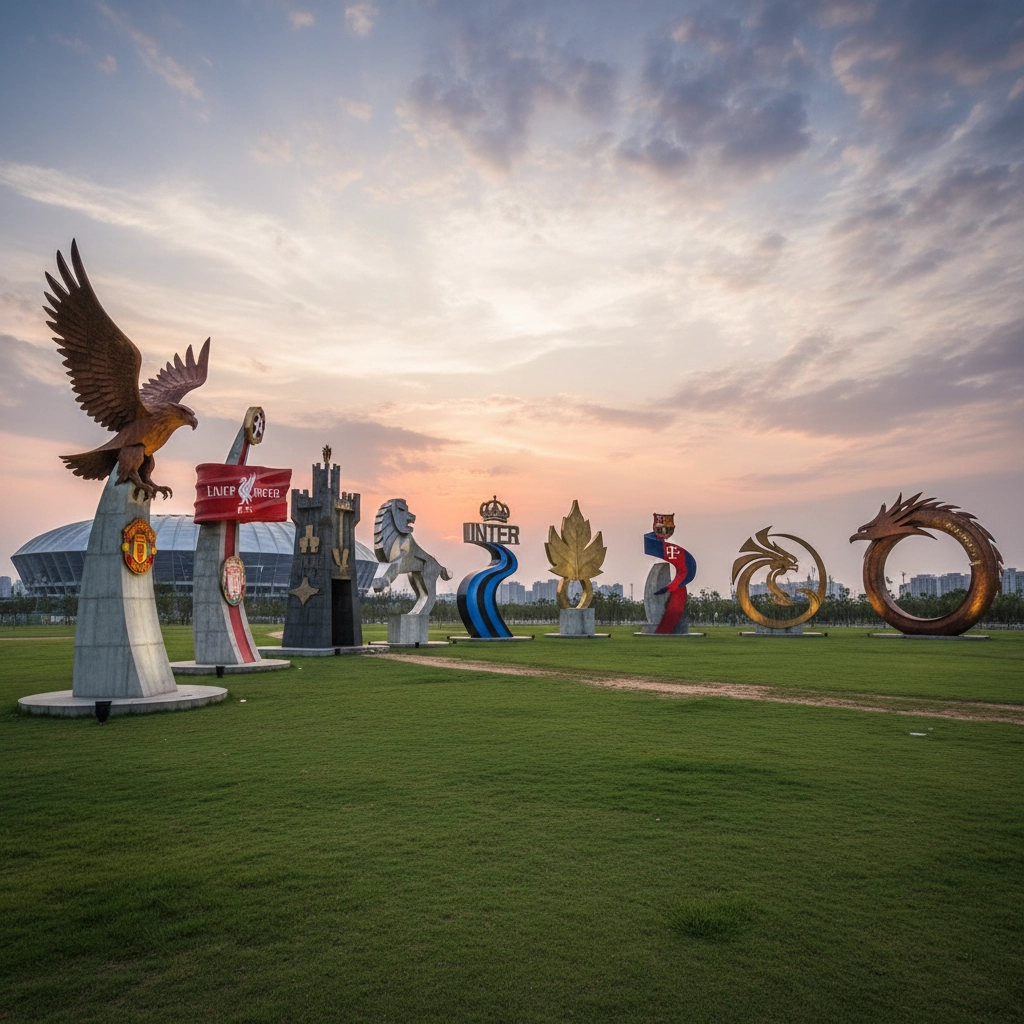
This concise guide examines Serie A’s evolution, combining authoritative analysis of its historic legacy, the glory of legendary clubs, and the dangerous intensity of rivalries, while explaining tactical innovations, financial shifts, and the modern-day giants who define contemporary Italian football.
The History of Serie A
Established as a national round‑robin in 1929-30, Serie A evolved into a 20‑team top flight (since 2004-05) with promotion and relegation. Northern industrial clubs dominated early decades, and powerhouses like Juventus built dynasties-Juventus now holds a record 36 scudetti. European pedigree endures too: AC Milan’s seven European Cups and Inter’s continental triumphs underline Serie A’s longstanding global impact.
Origins and Early Years
Before the national format, regional championships decided Italian champions from 1898; Genoa won that inaugural title. The 1929 reorganization centralized competition, allowing clubs such as Pro Vercelli and Torino’s famed ‘Grande Torino’ to define eras. Tragedy profoundly affected the league when the Superga air disaster (1949) wiped out Torino’s team and reshaped Italy’s football landscape for years.
Significant Milestones
Tactical innovation and legal shifts marked turning points: Helenio Herrera’s emphasis on catenaccio propelled Inter to European Cups in 1964 and 1965, while the Bosman ruling (1995) revolutionized transfers and squad construction. Rapid growth in television rights across the 1990s-2000s boosted revenues, drawing elite foreign talent and altering competitive dynamics.
Off‑field crises also left deep marks: the Calciopoli scandal (2006) resulted in Juventus’ relegation and reassignment of the 2005-06 title, prompting governance reforms. Iconic player moments-Diego Maradona delivering Napoli Serie A crowns in 1987 and 1990-and Juventus’ subsequent run of nine straight scudetti (2011-2020) illustrate Serie A’s cycles of upheaval and renewed dominance.
Types of Teams in Serie A
Clubs in Serie A fall into distinct models: Historical Giants amass trophies, European contenders chase continental spots, Mid-table stabilizers focus on consistency, Promoted battlers fight relegation, and Emerging Competitors exploit scouting and coaching to climb. Tactical identity and transfer strategy often determine whether a season yields glory or survival, with examples across the league illustrating each profile.
- Historical Giants – Juventus, AC Milan, Inter
- European Contenders – Napoli, Roma, Lazio
- Mid-table Stabilizers – Fiorentina, Torino, Bologna
- Promoted Battlers – Empoli, Salernitana
- Emerging Competitors – Atalanta, Sassuolo
| Historical Giants | Juventus (36 Scudetti), AC Milan (19, 7 European Cups) |
| European Contenders | Napoli (recent champions), Roma and Lazio regularly contest top-six |
| Mid-table Stabilizers | Fiorentina, Torino-balance spending with steady league finishes |
| Promoted Battlers | Empoli, Salernitana-often rely on loans and short-term survival plans |
| Emerging Competitors | Atalanta (tactical evolution), Sassuolo (academy and sales model) |
Historical Giants
Juventus, AC Milan and Inter define the historical tier: Juventus leads domestic tally with 36 Serie A titles, AC Milan claims 19 and a record 7 European Cups, while Inter hold 19 Scudetti and multiple continental wins; these clubs combine deep squads, global revenue, and heritage that still shapes transfer markets and title races.
Emerging Competitors
Atalanta and Sassuolo exemplify the modern challengers: Atalanta moved into regular top-four contention under Gian Piero Gasperini and debuted in the Champions League in 2019-20, while Sassuolo leverages youth development-notably producing players like Domenico Berardi-to finance smart signings and sustained mid-table growth.
Gasperini’s Atalanta uses aggressive wing play and overloads to outscore opponents, turning modest budgets into consistent European berths, whereas Sassuolo’s model focuses on scouting, academy output and profitable sales; together they show how tactical innovation and recruitment can create dangerous upset potential against wealthier clubs.
Thou must weigh tactical innovation and transfer-market savvy from these challengers when projecting season outcomes.
Key Factors Influencing Success
Interplay between Financial Investments, Coaching Philosophy, Youth Development and Tactical Flexibility shapes outcomes: Juventus’ €100m signing of Cristiano Ronaldo in 2018 shifted market expectations, Atalanta’s academy and Gasperini’s system turned modest budgets into Champions League spots, and Napoli’s 2022-23 title highlighted coherent leadership across board and pitch. Governance and scouting depth amplify or blunt these levers.
- Financial Investments
- Coaching Philosophy
- Youth Development
- Tactical Flexibility
- Squad Depth
Financial Investments
Big transfers and steady revenue streams fund competitive squads: Juventus’ €100m Ronaldo move and Inter’s high-fee signings like Romelu Lukaku (~€80m) illustrate immediate impact, while sustainable models – ticketing, TV, player trading – matter long term. Compliance with UEFA rules forces smarter allocation, so savvy reinvestment in scouting and analytics often yields better ROI than headline signings alone.
Coaching Philosophy
Managers who impose clear systems deliver outsized returns: Antonio Conte’s 3-5-2 at Inter ended a title drought in 2020-21, Gasperini’s aggressive 3-4-1-2 turned Atalanta into regular European competitors, and Spalletti’s organizational work underpinned Napoli’s 2022-23 success. Tactical identity, match preparation, and adaptability define match-to-match consistency.
Detailed coaching practices – individualized training loads, opponent-specific pressing maps, and data-led set-piece routines – explain measurable gains: clubs that improved expected goals (xG) and pressing efficiency typically convert that into league position jumps and European qualification. The blend of tactical clarity, individualized coaching and data-driven adjustments often separates title contenders from pretenders.
Tips for Understanding Serie A
Focus on tactical identity-many matches are won or lost by defensive organization and set-piece execution; Juventus’ historic defensive records and Atalanta’s attacking output illustrate extremes. Watch how the transfer window (summer, January) alters depth and how formations like 3-5-2 resurface. Analyze metrics such as xG and pressing intensity, and track manager tenure and rotation during congested winter schedules. After consult trusted sources like Opta, Transfermarkt and club reports to verify form.
- Serie A
- Tactics
- Transfer Window
- Youth Development
- VAR
- xG
Watching Matches
Prioritize derbies-Derby della Madonnina and Derby d’Italia-to see in-game tactical shifts; typical weekend kickoffs cluster at 18:00 and 20:45 CET while midweek fixtures test squad depth. Use live xG overlays and heatmaps to detect pressing patterns and fullback inversions, and note how VAR interventions reshape late-game outcomes, especially in tight title races or relegation battles.
Following Player Developments
Monitor minutes, loan spells and age profiles: most breakthroughs occur between 17-21, with loans to Serie B or smaller Serie A clubs providing crucial minutes. Track academies known for production-Atalanta, AC Milan-and check per-90 metrics like progressive passes and shots to identify upward trends; contract length and summer interest often predict imminent transfers.
Deepen analysis by combining stats and context: compare starts versus substitute appearances, minutes played, and per-90 values (progressive carries, key passes, xG) across competitions. Evaluate tactical fit-does a winger increase defensive actions under a pressing coach?-and use platforms like Wyscout, Transfermarkt and club Primavera reports to review footage; players with 25+ competitive games in a loan season tend to show measurable development.
Pros and Cons of Serie A
| Pros | Cons |
|---|---|
| Tactical sophistication and coaching legacy (catenaccio, Herrera-era Inter) | Financial gap versus Premier League clubs limits transfers and wages |
| Defensive excellence producing world-class defenders (Maldini, Chiellini) | Aging stadiums and limited matchday revenue for many clubs |
| Historic European pedigree (Italian clubs have won 12 European Cups/Champions League) | Lower global TV reach and commercial income compared to top five leagues |
| Strong youth academies (examples: Atalanta’s model and consistent academy graduates) | Talent export: top youngsters often move abroad for higher wages |
| Competitive tactical variety-coaches prioritize strategy and adaptability | Occasional governance and refereeing controversies that dent credibility |
| Passionate local derbies and cultural identity across cities | Periodic club debt problems and uneven financial management |
| Resurgence signs: investments in Milan and Inter leading to European competitiveness | Infrastructure projects (San Siro redevelopment) face political and funding hurdles |
| Balanced season with 20 teams offering diverse tactical challenges | Inconsistent broadcast packaging internationally reduces exposure |
Advantages of the League
Tactically, Serie A remains a global reference: coaches emphasize structure, pressing triggers and transitional play, producing systems that win trophies-AC Milan’s seven European Cups and Inter’s 1960s doubles under Herrera illustrate long-term success. Youth pipelines like Atalanta and Juventus’ academy keep supplying talent, while recent investment has returned Milan and Inter to Champions League relevance, boosting competitiveness and commercial prospects.
Challenges Faced
Financially the league trails the Premier League and LaLiga in TV and commercial revenue, which constrains transfer budgets and wage growth; many clubs still lack modern stadium income, and governance lapses or high debt (seen at several mid-table clubs) undermine long-term planning despite on-pitch quality.
More specifically, stadium ownership differences sharply affect revenue: Juventus’ Allianz Stadium is a case study in matchday income and branding, whereas clubs reliant on municipal arenas struggle to monetize growth. Additionally, international broadcast deals remain fragmented, reducing global reach and sponsorship value; solving these structural issues is key for Serie A to convert tactical excellence into sustained financial competitiveness.
Step-by-Step Guide to Following Serie A
Follow the season by tracking fixtures, broadcasts, and stats: Serie A has 20 teams each playing 38 matches from August to May, with top places targeting Champions League qualification and the bottom three facing relegation. Use official club sites, the league app, Opta/WhoScored for metrics, and prioritize local derby calendars like the Derby della Madonnina when planning matchdays.
| Step | What to do |
|---|---|
| 1. Fixtures | Sync the full schedule to your calendar; note midweek Coppa Italia and European slots. |
| 2. Broadcasts | Check local rights (DAZN/Sky often carry Serie A); enable match alerts and highlights. |
| 3. Stats | Follow Opta, Transfermarkt, WhoScored for xG, assists, and transfer windows. |
| 4. Tactics | Track managers’ formations and in-season shifts-catenaccio evolutions and pressing trends. |
| 5. Matchday | Buy tickets via club sites, arrive early for atmosphere, and respect steward instructions. |
Choosing a Team to Support
Base your choice on geography, playing style, or club identity: pick Juventus or Milan for historic success, back Atalanta for an analytics-driven youth pipeline and attacking football, or side with Napoli for passionate tifosi and recent title-winning momentum. Consider youth academies, transfer philosophy, and stadium access; smaller clubs often offer closer fan contact and lower ticket costs, while big clubs provide regular European nights.
Engaging with the Fan Community
Join official supporters’ clubs, follow club social channels, and participate in local fan forums or Reddit r/calcio to access matchday meetups and travel tips. Attend pre-match fan zones, respect local traditions, and be aware that some ultras groups can be intense or dangerous; prioritize official club guidance and stadium stewards for safety.
Seek out recognized supporter branches (many clubs list international groups on their sites) and use club membership schemes to secure tickets; for high-demand derbies like the Derby della Capitale, plan weeks ahead and expect strict entry checks. Engage moderators on forums, buy official scarves/jerseys to show affiliation, and if travelling, register with the club’s visitor information service to receive safety updates and recommended transit routes.
Summing up
With these considerations, “The Ultimate Guide To Serie A – History, Glory, And Modern-Day Giants” synthesizes the league’s evolution, landmark achievements, tactical innovations, and the contemporary powerhouses, offering readers an authoritative framework to appreciate Serie A’s past and assess its present trajectory.
FAQ
Q: How did Serie A begin and how has it evolved into one of Europe’s top leagues?
A: The Italian national championship began in 1898 and was reorganized into a single round‑robin Serie A in 1929-30. The league grew through the post‑war years into a European powerhouse, especially during the 1980s and 1990s when top clubs attracted world‑class talent, advanced tactical philosophies and significant television revenue. Structural changes since the 2000s – including stricter financial oversight, stadium modernizations, wider international broadcasting and the introduction of VAR – have reshaped competition and club operations. Today Serie A combines historical prestige with modern sports science, analytics and global commercial strategies that keep it competitive among Europe’s elite competitions.
Q: Which clubs define Serie A’s history and what are their signature rivalries and achievements?
A: Juventus, AC Milan and Inter are the traditional giants: Juventus holds the record for most domestic titles, AC Milan boasts the most European Cup/Champions League trophies among Italian clubs, and Inter has landmark achievements such as a modern‑era treble. Napoli is synonymous with Diego Maradona’s era and recent resurgence, while Roma and Lazio provide one of the fiercest city derbies. Key rivalries include the Derby d’Italia (Juventus vs Inter) and the Derby della Madonnina (Inter vs Milan); these fixtures often shape title races and European qualification battles. Beyond trophies, several mid‑sized clubs – notably Atalanta in recent years – are recognized for youth development and tactical innovation.
Q: How has the tactical and sporting identity of Serie A changed, and who are the modern figures shaping it?
A: Serie A’s old reputation for defensive systems like catenaccio has evolved into a more balanced and dynamic tactical scene emphasizing pressing, quick transitions, versatile full‑backs and possession control. Managers who influenced this shift range from long‑standing Italian tacticians to coaches who blended domestic tradition with contemporary pressing and counterpressing concepts. Players such as Diego Maradona historically and modern stars like Zlatan Ibrahimović, Cristiano Ronaldo and Victor Osimhen have defined eras with individual brilliance, while clubs such as Atalanta are widely praised for data‑driven player development and scouting. The league’s use of performance analysis, sports science and targeted recruitment has accelerated the tactical evolution and improved its capability to compete at the highest European level.