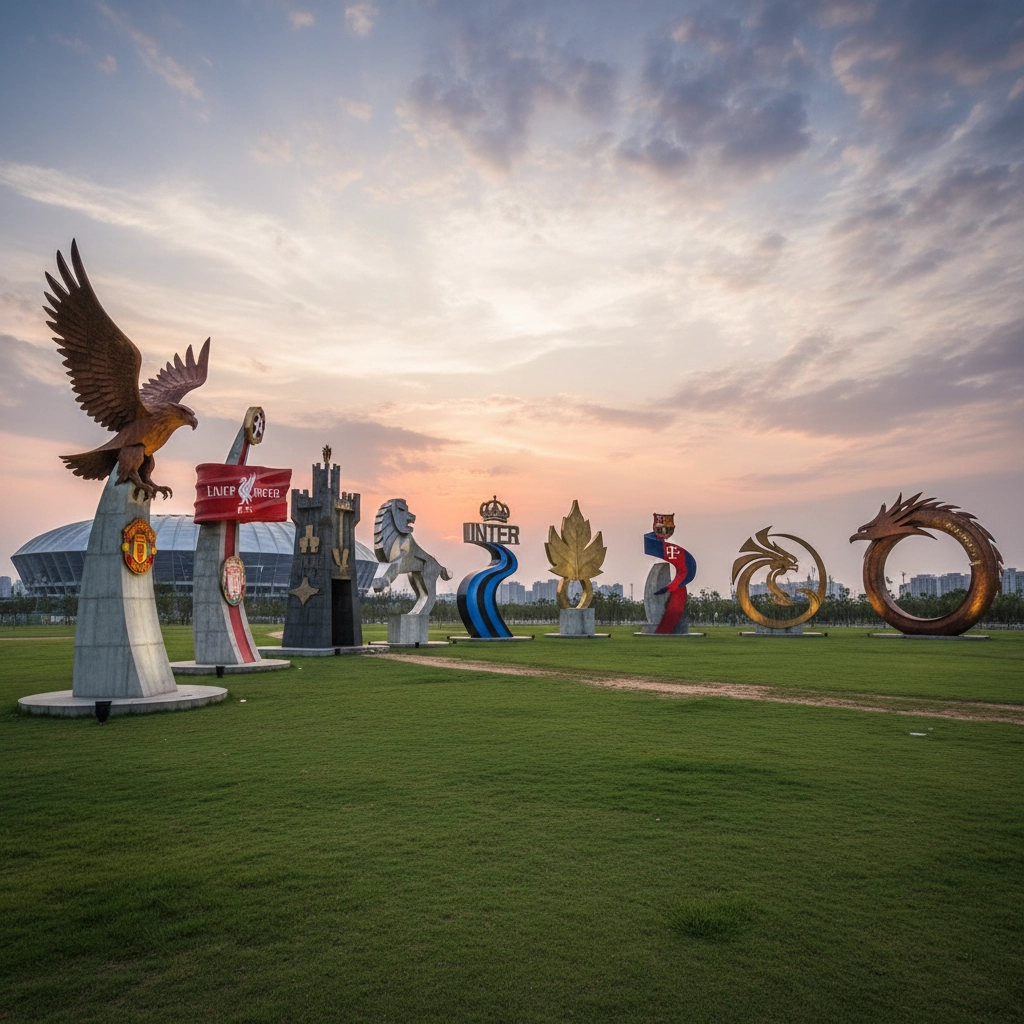
You should track the teams that shape title races and European spots; this guide identifies the historic giants, the clubs with attacking firepower and those known for tactical innovation, plus up-and-coming sides with young talent and those with financial muscle to compete consistently-vital reading for fans wanting an authoritative, season-by-season view of Serie A power dynamics.
Types of Italian Football Clubs
- Historical Giants – long-standing winners with large budgets and global followings.
- Emerging Contenders – clubs punching above weight via coaching and recruitment.
- Mid‑table Stabilizers – consistent Serie A performers focused on survival and cup runs.
- Youth Factories – academies turning prospects into first‑team assets and transfer income.
- Financial Underdogs – limited resources, reliant on astute scouting and loans.
| Historical Giants | Juventus, AC Milan, Inter (dominant trophy hauls) |
| Emerging Contenders | Atalanta, Sassuolo, Monza (recent growth) |
| Mid‑table Stabilizers | Fiorentina, Torino, Bologna (regular top‑half finishes) |
| Youth Factories | Empoli, Parma, Spezia (academy graduates and sales) |
| Financial Underdogs | Salernitana, Genoa (tight budgets, tactical pragmatism) |
Historical Giants
Juventus (36 Serie A titles), AC Milan (19) and Inter (19) define elite Italian football through sustained domestic success and European pedigree – Milan with 7 Champions League trophies, Inter 3 and Juventus 2. Their squads, commercial revenue and stadium investments create structural advantages: big transfers, global fanbases and regular Champions League campaigns that shape transfer markets and managerial expectations across Serie A.
Emerging Contenders
Atalanta transformed under Gasperini into a high‑scoring side with consistent top‑seven finishes since 2017, Sassuolo became a profitable developer of talent like Domenico Berardi, and Monza secured promotion in 2022 after heavy investment; these clubs combine shrewd scouting, tactical clarity and data‑driven recruitment to close the gap with traditional powers.
Gasperini’s Atalanta showcases a blueprint: aggressive wing play, high pressing and reliance on academy and undervalued signings to reach European competition repeatedly since 2019, while Sassuolo sells for profit and reinvests in scouting. Monza’s rise illustrates owner‑led spending plus targeted hires. Emerging Contenders often measure success by sustained top‑six finishes, transfer‑value growth and Champions League qualification windows. After tracking transfers, tactical evolution and youth outputs, their trajectories reveal who will challenge the established order.
Factors to Consider When Watching
Match context matters: recent results, starting XI changes, and home advantage often swing close games; scouting specific matchups-full-back v. winger, set-piece threats-gives deeper insight. Use data from the last five matches and rotation before midweek European ties. Recognizing how tactics, form, injuries and fixture congestion interact provides a practical edge.
- Tactics – formation, pressing, transitions
- Form – last 5 matches, streaks
- Injuries & suspensions
- Fixture congestion & rotation
- Squad depth & bench quality
- Home advantage & stadium atmosphere
- Coaching – adaptability and game plans
Key Players to Follow
Watch players who regularly deliver decisive actions: forwards hitting double‑digit goal tallies (examples include Viktor Osimhen and Lautaro Martínez), playmakers who create chances and exceed league assist averages, and defenders/keepers with high clearance and save rates; tracking these figures across five-match windows reveals form shifts that change title and European qualification races.
Coaching Styles and Strategies
Gian Piero Gasperini’s 3-4-3 overloads generate width and high scoring; Simone Inzaghi’s setups favor vertical transitions and a fluid front two; Stefano Pioli’s teams emphasize compactness with rapid wide attacks. Teams that deploy high pressing and positional rotation often convert possession into clear chances and control tempo against varied opponents.
In-game adjustments are decisive: substitutions around the 60-75 minute window, tactical switches from 3-5-2 to 4-3-3, and tailored pressing triggers routinely flip results. Clubs investing in opponent analysis and refining set-piece routines and in-game management tend to earn more points from tight fixtures.
Tips for Enjoying Serie A Matches
Optimize viewing by timing broadcasts: weekend rounds commonly kick off at 15:00, 18:00 and 20:45 CET, so factor in 90 minutes plus stoppage and half-time analysis; pack snacks for extended VAR reviews and choose low-latency streams for live replays. Sit in a lively bar for derbies like the Milan derby or the Derby d’Italia to soak the atmosphere, bring cash for merch and transit, and avoid confrontations in rival sections. Perceiving the context-tactics, form and crowd-boosts your Serie A experience.
- Arrive early to catch starting lineups and pre-match buildup.
- Use official streams for reliable replays and commentary.
- Engage with Italian football fans at local bars or fan clubs to share chants and insights.
Best Times to Watch
Weekend match windows typically fall on Saturday evening and Sunday afternoon/evening-common slots are 15:00, 18:00 and 20:45 CET, with occasional Monday night fixtures at 20:45. Prime-time (20:45) often features top-six clashes such as Juventus v Inter or Milan derbies; early Sunday fixtures suit family viewing and those tracking multiple simultaneous games across European time zones in Serie A.
Engaging with Fan Communities
Join official supporters’ clubs, club-run forums and active subreddits or Telegram channels to access matchday threads, ticket swaps and watch-party invites; city hubs like Milan, Naples and Rome host regular fan gatherings where chants and stadium rituals are taught by seasoned supporters. Follow club podcasts and matchday threads for tactical breakdowns and lineup intel on Italian football.
Volunteer with local tifosi chapters to gain priority ticket access and group travel options-clubs such as AC Milan and Napoli run formal fan networks offering newsletters and discounts. Verify offers via group moderators, avoid arguing in rival sections to prevent bans or fines, and use official channels to reduce the risk of ticket scams.
Step-by-Step Guide to Understanding the League
Step-by-Step Breakdown
| Step | What to watch |
|---|---|
| Teams & fixtures | 20 teams, double round-robin = 38 matches each; season runs August-May with international breaks. |
| Points system | Win 3 points, draw 1, loss 0; tie-breakers start with head-to-head, then goal difference. |
| European qualification | Top 4 to UEFA Champions League; 5th/6th typically to Europa/Conference League depending on Coppa Italia results. |
| Relegation | Bottom 3 relegated to Serie B; promoted teams replace them the next season. |
| Scheduling nuances | Midweek European/Coppa fixtures and TV windows frequently reschedule domestic matchdays and kickoff times. |
Following the Match Schedule
Use the official Lega Serie A fixture list to track home/away sequencing across the 38 matchdays; expect rounds mostly on weekends with occasional midweek slots. Check club channels and broadcasters (DAZN/Sky) for updated kickoff times, since European ties or Coppa Italia games often force reschedules. Plan around international breaks and allow for postponed matches due to weather or stadium issues.
Understanding Points and Standings
Points allocation is simple: 3 for a win, 1 for a draw, 0 for a loss. When teams finish level, Serie A applies head-to-head results first, then overall goal difference and goals scored. Standings determine the top four Champions League places and the bottom three relegated to Serie B, so every point swings qualification and survival battles.
If head-to-head among tied teams is equal, the next decider is aggregate goal difference in those matches, then overall goal difference and goals scored. In exceptionally rare scenarios where all criteria still leave teams tied for the title, a European slot or relegation, regulations allow a one-off play-off match to settle the position-historically uncommon but part of the rulebook.
Pros and Cons of Supporting Different Clubs
Pros vs Cons at a glance
| Pros | Cons |
|---|---|
| Major trophies & history (e.g., Juventus’ 36 Serie A titles) | High expectations create pressure, frequent managerial changes |
| Global exposure – TV, merchandise, sponsorships | Expensive matchday costs and premium ticketing |
| European football opportunities (Champions League income) | Player turnover as stars are bought/sold constantly |
| Top facilities and youth academies | Corporate decisions can dilute fan influence |
| Attract marquee signings (example: Ronaldo to Juventus) | Media scrutiny intensifies every misstep |
| Consistent revenue from broadcasting and sponsors | Risk of scandal draws national attention (historical examples exist) |
| Large fanbase – match atmosphere, global communities | Less local intimacy and weaker grassroots ties |
| Community pride with underdogs offers authenticity | Financial instability & relegation risk for smaller clubs |
Pros of Supporting Popular Clubs
Fans get regular exposure to top-tier players, European nights, and large-scale rivalries; examples include AC Milan’s seven European Cups and Juventus’ domestic dominance with 36 Serie A titles. Match schedules feature marquee fixtures, merchandising options are extensive, and academies feed national teams. Financial muscle also means deeper squads and fewer relegation scares, so followers often enjoy consistent competitiveness, big transfers, and frequent media coverage.
Cons of Supporting Underdogs
Smaller clubs often offer stronger local identity but come with higher volatility: limited budgets, irregular TV exposure, and elevated relegation risk. That can mean fewer marquee players, reduced European chances, and moments of severe financial strain, which translates to unstable lineups and less predictable on-field performance despite passionate fanbases.
Financial stress can be decisive: clubs like Parma went through bankruptcy and reformation in 2015, and teams such as Sampdoria have faced relegation in recent seasons, illustrating systemic fragility. Underdogs frequently rely on player sales for survival, leading to short-term squads, managerial turnover, and a cycle where a single bad run triggers relegation – a very real, ongoing risk for supporters seeking long-term success.
Seasonal Highlights to Watch For
Expect the title race, Champions League qualification and relegation scrap to swing on form streaks, European load and managerial changes across 38 matchdays. Mid-season runs-often a 10- to 12-game stretch between October and February-separate contenders from pretenders; teams juggling Europa/Champions fixtures can play >50 matches, so squad depth, injury management and tactical flexibility become decisive.
Key Rivalries
The season’s emotional peaks come in derbies: the Derby della Madonnina (Milan v Inter), the Derby d’Italia (Juventus v Inter) and Rome’s Derby della Capitale (Roma v Lazio) regularly swing momentum, attendance (>70,000 at San Siro) and even transfer appetites; such fixtures often yield pivotal six-point swings that shape top-four and European qualification battles.
Transfer Window Impacts
The summer window (typically July-August) sets baseline ambitions-clubs add 3-6 starters-while the January window supplies targeted fixes: 1-2 reinforcements that can rescue a relegation fight or cover European fatigue. High-profile moves like Cristiano Ronaldo to Juventus (2018) illustrate how a single signing can alter title dynamics; integration risk and late deals remain major hazards.
Boards now favour loan-to-buy deals, short-term contracts and strategic bargains to balance books; co-ownership ended in 2015, so clubs use loans with obligations or options and monitor UEFA squad registration rules closely. Expect top sides to prioritise a versatile midfielder or centre-back in January to safeguard form, with financial limits shaping who can realistically pivot a season.
Conclusion
On the whole, analyzing clubs’ tactical systems, transfer policies, youth development and financial health explains why perennial contenders like Juventus, Inter, Milan, Napoli and Atalanta routinely shape Serie A narratives; tracking these factors each season provides a clear, evidence-based framework for identifying the teams most likely to challenge for titles and European places.
FAQ
Q: Which Serie A clubs are the most consistent title contenders every season?
A: Juventus, Inter Milan, AC Milan and Napoli are the clubs most often in the Scudetto conversation. Juventus combines deep squad depth and institutional experience in managing title campaigns; Inter blends tactical flexibility with a strong defensive base and decisive signings; AC Milan has rebuilt into a disciplined, young side with rising stars and continental ambitions; Napoli frequently fields one of the league’s most potent attacks and benefits from cohesive coaching and scouting continuity. Each club’s ability to compete depends on transfer window activity, injury management and managerial stability, but these four historically offer the highest probability of sustained challenge for the championship and consistent European qualification.
Q: Which teams should fans watch for exciting, forward-thinking football and player development?
A: Atalanta, AS Roma and Fiorentina merit attention for progressive tactics and youth integration. Atalanta is renowned for high-pressing, attacking systems and turning academy and lower-profile signings into standout performers; Roma mixes tactical innovation with targeted recruitment and offers young players regular European-stage exposure; Fiorentina has invested in a blend of technical prospects and experienced leaders to produce attractive football. Beyond those, Lazio and Bologna often unearth promising talent and provide managers freedom to implement creative game plans, making their matches strong showcases for developing players and entertaining styles.
Q: Which clubs are the best dark horses to watch each season and why might they upset the established order?
A: Clubs such as Sassuolo, Torino, Empoli and Monza can be dark horses due to smart scouting, coherent tactical identity and financial prudence. Sassuolo consistently sells high and reinvests in young, technically gifted players who fit a possession-based approach; Torino mixes defensive organization with opportunistic attacking and benefits from experienced coaching; Empoli and Monza punch above their weight by maximizing squad unity, exploiting set-pieces and developing market-efficient talent. These teams can upset bigger clubs during long seasons when injuries, fixture congestion or managerial changes affect favorites, and they often provide entertaining, unpredictable results.