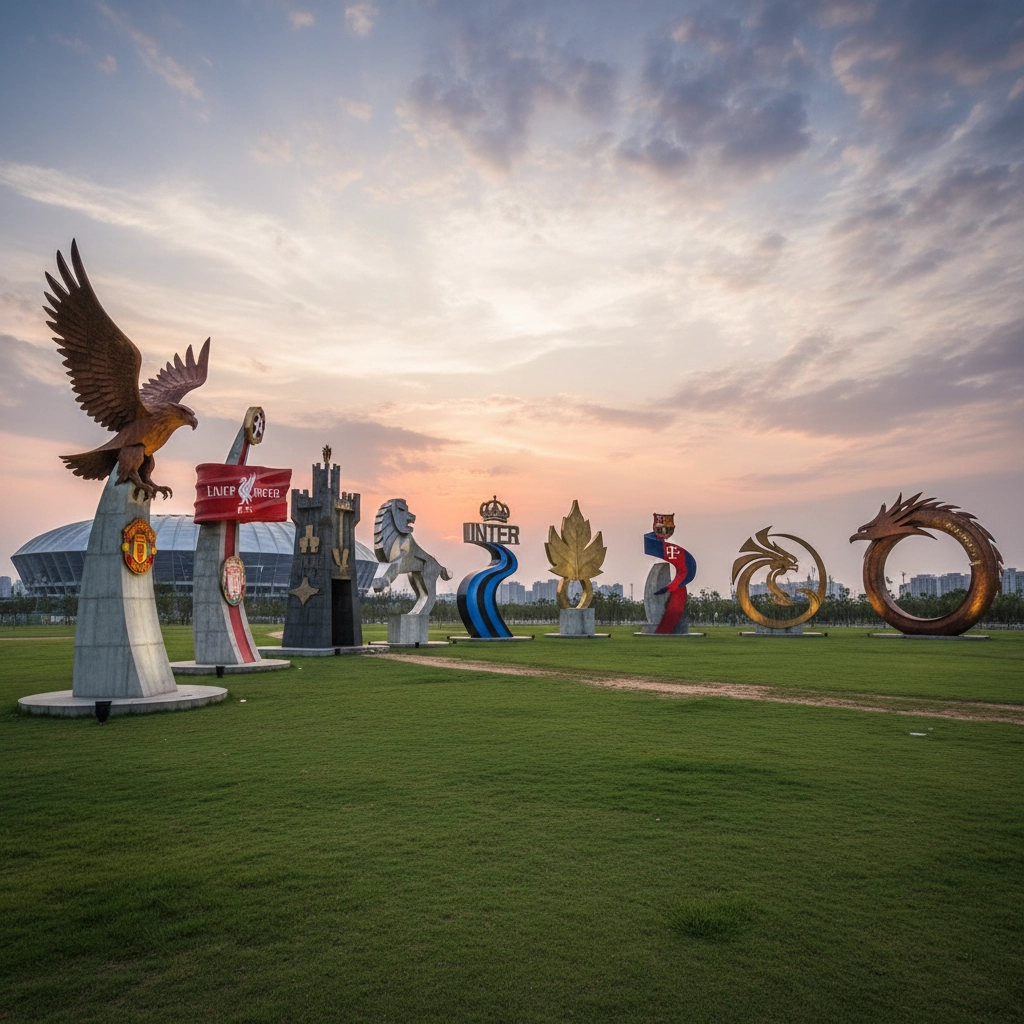
Over decades Serie A has shaped the sport with a blend of tactical sophistication, disciplined defending and strategic nuance, offering a masterclass for students of the game; its ferocious rivalries and high-stakes matches deliver unpredictable, sometimes dangerous intensity, while clubs’ focus on elite talent development and tactical education ensures fresh stars and enduring excellence, making it imperative viewing for any fan seeking depth, drama and professional football insight.
Types of Matches
Matches in Serie A range from high-stakes showdowns to tactical chess; derbies pit local pride against noise and numbers, while title clashes and relegation fights alter club futures within weeks. Fans see tactical lockdowns in midweek fixtures, and occasional European-qualifying battles that affect club revenue and recruitment. The
- Derby Encounters
- Title Deciding Games
- Relegation Battles
- European Qualification Matches
- Tactical Showdowns
| Derby Encounters | Local rivalry with intense atmosphere, often >70,000 fans at venues like San Siro |
| Title Deciding Games | Final rounds where 3 points swing season outcomes; example: Napoli 2022-23 ended a 33‑year wait |
| Relegation Battles | High-pressure fixtures determining bottom-three fate, dramatic late-season form swings |
| European Qualification Matches | Mid-table clashes that secure Champions/Europa spots and major broadcast revenue |
| Tactical Showdowns | Managerial chess where formations and substitutions decide matches more than moments |
Derby Encounters
Derbies-like the Derby della Madonnina, Derby d’Italia and Derby della Capitale-deliver unparalleled atmosphere and volatility, with packed stands and intense rivalry fostering high tempo and frequent cards; coaches often adopt conservative game plans while trusting counterattacks, and the emotional stakes make these matches as much about pride as points.
Title Deciding Games
Late-season fixtures between top contenders regularly determine the Scudetto, where a single win or draw across the final three matchdays can separate champions from runners-up; teams reduce rotation, deploy their best XI, and prioritize defensive solidity to protect narrow leads, with psychological resilience often outweighing pure talent.
Managers alter tactics in these moments-shifting to compact 3-5-2 blocks or defensive 4-2-3-1 shields, emphasizing set-piece routines and late substitutions to manage the clock; refereeing decisions and penalty conversions historically swing title races, so clubs invest heavily in match preparation, sports psychology, and scouting opponents to secure the marginal gains that win titles.
Key Factors for Engagement
Fan attention in Serie A comes from intense derbies, tactical storylines and the global reach of marquee players; nights in stadiums like San Siro or Maradona spark social trends and tactical debate. Broadcasters and clubs now amplify stats and behind-the-scenes content, keeping viewers invested across 20 clubs. This combination of historic rivalries, modern coverage and measurable narratives sustains long-term engagement.
- Quality of Play
- Tactical Diversity
- Rivalries & Atmosphere
- Star Players
- Broadcast Accessibility
Quality of Play
Across 20 teams, Serie A mixes precise midfield control, rugged defending and sudden attacking flurries; match outcomes often hinge on set pieces or individual duels. Clubs like Atalanta and Napoli pair high-intensity offense with structured transitions, while perennial powers rely on disciplined backlines to chase top-four Champions League spots, giving every fixture competitive significance.
Tactical Diversity
Managers deploy systems from classic man-marking to modern pressing; Antonio Conte used wing-backs to power Inter to the 2020-21 Scudetto, while Gian Piero Gasperini turned Atalanta into a fluid, attacking unit that reached the 2019-20 Champions League quarter-finals. Such variety ensures repeated tactical intrigue each matchday.
Deeper study shows frequent in-game shifts-teams begin in a 3-5-2 then invert to 3-4-3 or a 4-2-3-1 when chasing results-forcing players to adapt roles. Case studies: Inter’s 2020-21 season emphasized compact defending and fast wing transitions; Atalanta’s consistent top-four pushes since 2017 rely on overloads and vertical passing. These tactical contrasts create coaching duels as compelling as player matchups, and they shape transfer markets and youth development across Italy.
Tips for Watching Serie A
Time your viewing around tactical peaks: with Serie A‘s 20 teams playing 38 matchdays, midweek cups and packed weekend schedules mean form shifts fast; follow lineup updates 45-60 minutes before kickoff and watch key players in derbies like the Derby della Madonnina or Derby d’Italia for maximum intensity. Use live stats and second-screen tactics feeds to track substitutions and heatmaps. The best viewers prepare alerts, verify official streams and monitor live xG data.
- Set reminders for kickoff times across CET and local zones.
- Follow derbies and fixture clusters for high-stakes matches.
- Use multi-angle or multi-feed streaming when available.
- Check official lineups 45 minutes before kick-off.
- Keep a live stats panel (Opta/WhoScored) for tactical context.
Best Platforms to Stream
Identify rights holders by market: platforms like DAZN (wide European coverage), Sky Sport Italia (domestic broadcasts) and Paramount+/CBS Sports in the U.S. commonly carry matches; official club channels and the league’s digital highlights fill gaps for replays and condensed matches. Prioritize services offering 1080p/60fps or 4K where available and multi-device logins to watch on TV, tablet or console with minimal latency.
Understanding the Fan Culture
Experience the tifo and organized ultras in the curves-Curva Sud and Curva Nord examples at Milan derbies or Napoli’s passionate displays-where choreographies and banners dominate the atmosphere; be aware that pyrotechnics remain a dangerous feature in some stands, while community-driven initiatives and club membership schemes strengthen local ties.
Traveling fans often form long-standing rivalries-Derby della Madonnina, Derby d’Italia-and social media fan groups coordinate meetups and away support; clubs run official fan memberships and museum tours, supporters produce podcasts and fanzines, and local histories (industrial Milan, southern identity in Naples) inform chants and rituals, adding rich context to each matchday experience.
Step-by-Step Guide to Following a Team
Step-by-Step Checklist
| Focus | Action |
| Fixtures, standings, results | Use the official Serie A site and club apps; track the 20 clubs across 38 matches each season |
| Lineups & live stats | Follow matchcentre, FotMob or Opta feeds for minute-by-minute data |
| Tactical narratives | Read analyst threads, YouTube breakdowns and Wyscout clips for formations and heatmaps |
| Fan culture & matchday | Join official fan clubs, local watch parties, and club forums to feel the atmosphere |
Choosing Your Team
Decide whether you want a club for style, history or locality: pick Napoli for the recent Scudetto momentum, Juventus for perennial title narratives, or Roma/Lazio for intense derbies in the capital. Compare playstyles by watching 3-5 full matches and checking xG and possession stats; that quick sample shows if you prefer high-press systems or defensive, tactical setups. Prioritize what keeps you engaged weekly-stadium atmosphere, youth development, or star players.
Engaging with the Community
Join official supporter groups, club-run fan clubs and subreddit threads (many clubs have active subreddits) to find matchwatch events and transfer discussions; clubs often host international fan branches and live watch parties in major cities. Contribute to tactical threads with sources like Opta numbers or full-match clips, and be aware that intense rivalries can produce heated exchanges-moderate engagement keeps conversations productive.
For deeper involvement, attend a local supporters’ meeting or a stadium game-many clubs register official fan clubs abroad and run membership programs that unlock newsletters, priority tickets and meetups. Follow verified club channels for accurate news, subscribe to club podcasts for insider interviews, and use Telegram or WhatsApp groups for real-time coordination; combining official sources with fan analysis gives the best balance of reliable information and passionate perspective, while avoiding misinformation common on unverified feeds.
Pros of Serie A
Among the league’s strengths are tactical diversity, historic clubs with global followings, and matchdays that produce memorable moments; teams like Juventus (36 Scudetti), AC Milan and Inter (each 19) keep standards high, while Napoli’s 2022-23 title showed fresh challengers can rise fast. Derbies, defensive mastery and coaches who innovate make Serie A both a technical showcase and a compelling narrative for fans tracking development, transfers and continental impact.
Rich History and Tradition
Italy’s top flight traces roots to 1898 and adopted the modern round-robin Serie A format in 1929-30, producing icons from Paolo Maldini to Maradona, whose 1987 and 1990 spells brought Napoli two Scudetti. Historic rivalries – Derby d’Italia, Derby della Madonnina, Derby della Capitale – deliver high-stakes atmospheres, while museums, club archives and centenary seasons preserve tangible links between past triumphs and present identities.
Talented Players and Coaches
Current rosters feature elite attackers like Victor Osimhen, Khvicha Kvaratskhelia, Rafael Leão and Lautaro Martínez alongside midfield engines such as Nicolò Barella and Sandro Tonali; managers from José Mourinho (Inter’s 2009-10 treble) to Massimiliano Allegri and Carlo Ancelotti have shaped tactical trends. That concentration of player quality and tactical leadership keeps Serie A a training ground for elite performances and managerial innovation.
Case studies underline the point: Mourinho’s pragmatic Inter in 2009-10 delivered the rare domestic treble, while Napoli’s recent rise combined scouting (cheaper signings turned stars) with a high-intensity press. Youth pathways – clubs investing in Primavera systems and data-led recruitment – have produced cost-effective talents who make immediate impacts in Europe, reinforcing Serie A’s reputation for developing both players and tactical thinkers.
Cons of Serie A
Several persistent problems temper Serie A’s allure: lower matchday and broadcast income compared with the Premier League, periodic fan violence and stadium unrest, and recurring financial instability at smaller clubs. Average attendance hovers around 25,000, limiting gate receipts, while stalled infrastructure projects and governance gaps mean progress is uneven across the 20 clubs.
Off-Field Issues
Fan unrest remains a real headache-flaring incidents and clashes have led to fines, closed-door fixtures and reputational damage. Stadium ownership is patchy: Juventus’s Allianz and Atalanta’s Gewiss are modern exceptions, while plans to redevelop San Siro have been mired in delays since 2019, constraining revenue growth and local trust in league leadership.
Economic Challenges
Many clubs operate with thin margins and elevated wage-to-revenue ratios, frequently exceeding 60%, forcing player sales and short-term fixes. High-profile examples include Parma’s 2015 bankruptcy and ongoing scrutiny of larger clubs’ accounting practices, which expose the league’s vulnerability to shocks and uneven financial controls.
Delving deeper, revenue concentration amplifies risk: Serie A’s domestic and international TV deals generate several hundred million euros less annually than the Premier League, so relegation or missing Europe can be catastrophic for a club’s balance sheet. Debt-financed transfers and reliance on owner injections create cycles of instability; meanwhile, UEFA’s break-even focus pressures clubs into selling talent-seen in frequent outbound moves of top young Italians-undermining long-term competitiveness and squad continuity.
Summing up
Summing up, Serie A demands attention for its blend of tactical sophistication, defensive excellence, and managerial ingenuity; historic clubs coexist with rising talents, producing high-level matches and player development pathways. Intense fan culture, strategic variety, and competitive fixtures make it an important study for anyone seeking deeper insight into football’s evolving styles and narratives.
FAQ
Q: What tactical features make Serie A a must-watch league?
A: Serie A combines generational defensive intelligence with modern attacking invention, so matches often play out as tactical duels rather than one-sided affairs. Coaches deploy nuanced systems-compact pressing, asymmetrical full‑backs, inverted wingers, varied block lines-and make in‑game adjustments that change a match’s shape multiple times. Set pieces, transitional counters and strategic substitutions are all decisive, rewarding viewers who enjoy chess‑like planning as well as moments of individual brilliance.
Q: How do historic clubs and rivalries keep Serie A compelling for neutral fans?
A: Longstanding rivalries and storied clubs provide built‑in narratives every season: title races, local derbies and battles for European spots carry extra weight because of history and fan identity. Stadium atmospheres, choreographed tifosi displays and vocal supporter culture create intense live settings that amplify on‑pitch action. These elements turn ordinary fixtures into must‑see events and give each match a sense of occasion beyond the scoreline.
Q: Why should fans follow Serie A now – what recent trends make it exciting?
A: The league features a blend of established stars and emerging talent, with clubs investing in youth development and smart international signings that raise the standard of play. Tactical innovation from experienced managers and competitive balance-where several teams can challenge for top positions-produce unpredictable storylines across the table. Strong showings in European competitions and headline players (for example, top scorers and dynamic forwards) add visibility, making Serie A both a fertile scouting ground and a source of high‑quality, suspenseful football.