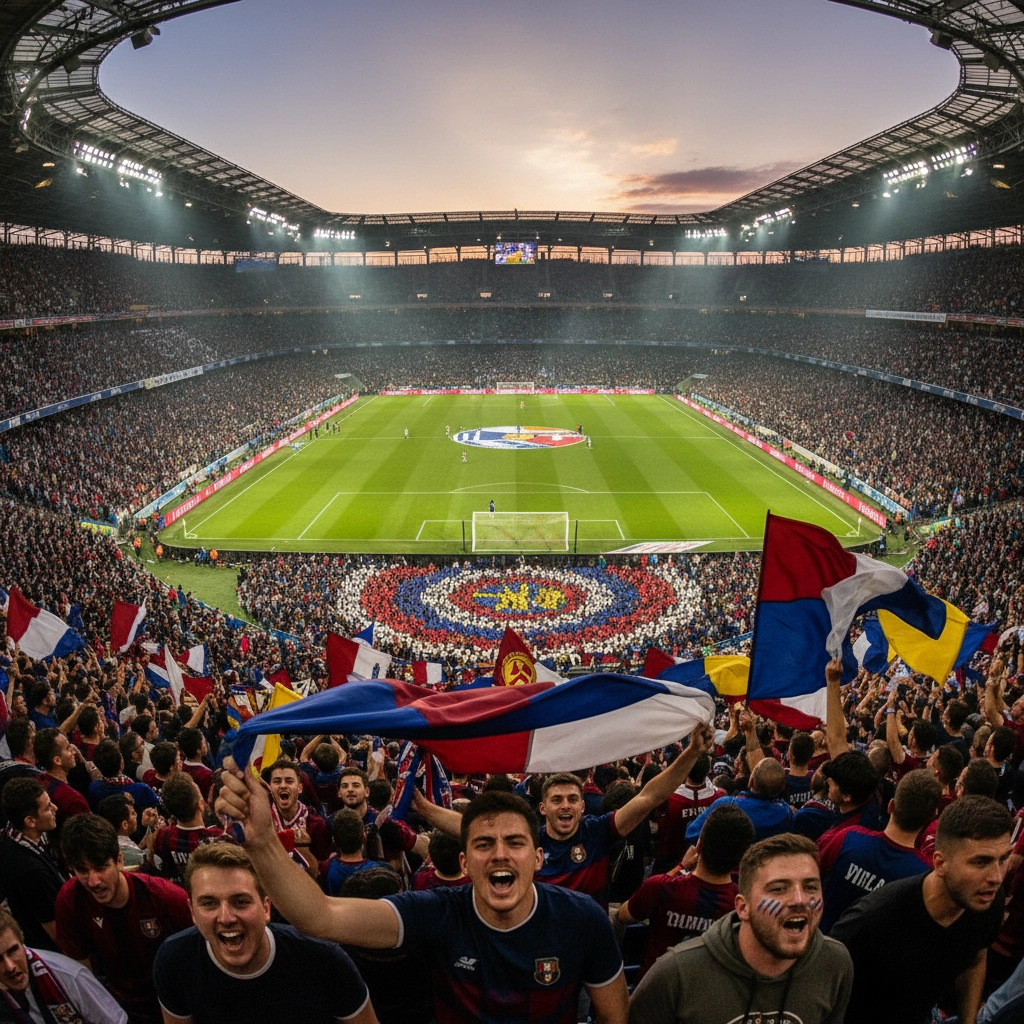

How the world’s most storied clubs began and why their origins still matter
You can trace many of today’s elite clubs back to modest, local beginnings: a group of friends in a pub, workers from the same factory, students at a school, or communities seeking identity and entertainment. Those early decisions about a club’s name, colours, and home ground created traditions that still define supporter culture and club identity. Understanding those first steps helps you appreciate why some clubs command fierce loyalty and why their rivalries feel timeless.
Across Britain and continental Europe, the late 19th and early 20th centuries were the formative period. The Football Association’s standardization of rules in 1863, the introduction of organized cup competitions like the FA Cup (1871), and the establishment of regular leagues (the Football League in 1888) transformed casual matches into competitive institutions. As the sport professionalized, clubs that adapted to new financial realities and organized structures laid the groundwork for future success.
Common founding patterns: community roots, workplaces, and school teams
When you examine founding stories, a few recurring themes appear. These patterns show how clubs were embedded in the social fabric of their cities and towns and how that connection later helped them grow into national and international forces.
From pubs and parishes to organized clubs
Many early clubs started informally. A local public house or parish hall often served as the meeting place where players agreed on rules and chose team colours. Those simple origins created strong local identities: a club represented a neighborhood or a parish long before it represented a brand or a global audience.
- Community clubs: Clubs founded to serve local communities often kept strong grassroots support that endured even through ups and downs.
- School and university teams: Academic institutions produced disciplined playing styles and early rule innovation, contributing to the sport’s tactics and organization.
- Factory and works teams: Industrial employers sometimes founded teams as employee welfare projects, creating clubs with built-in support and resources.
Key institutional shifts that shaped early winners
As you look at the timeline, you’ll notice certain institutional shifts that separated surviving clubs from transient sides. Three changes were particularly influential:
- Formalized competitions — Cup tournaments and leagues created regular revenue opportunities and rivalry fixtures that increased a club’s profile.
- Legal professionalism — Once the sport allowed paid players in the 1880s, clubs that invested in talent gained immediate competitive advantages.
- Stadium development — Moving from open fields to enclosed grounds increased gate receipts and created fan rituals tied to particular venues.
Familiar names you’ll recognize—clubs like Sheffield FC (the world’s oldest recognized club), Notts County, Aston Villa, Celtic, Rangers, Real Madrid, Juventus, and AC Milan—share this pattern: humble starts, adaptation to professional structures, and steady institutional growth that led to on-field success and larger followings.
Now that you understand where many great clubs came from and the structural changes that shaped their early trajectories, you’re ready to follow how those foundations translated into sustained domestic dominance and the emergence of international competition in the decades that followed.
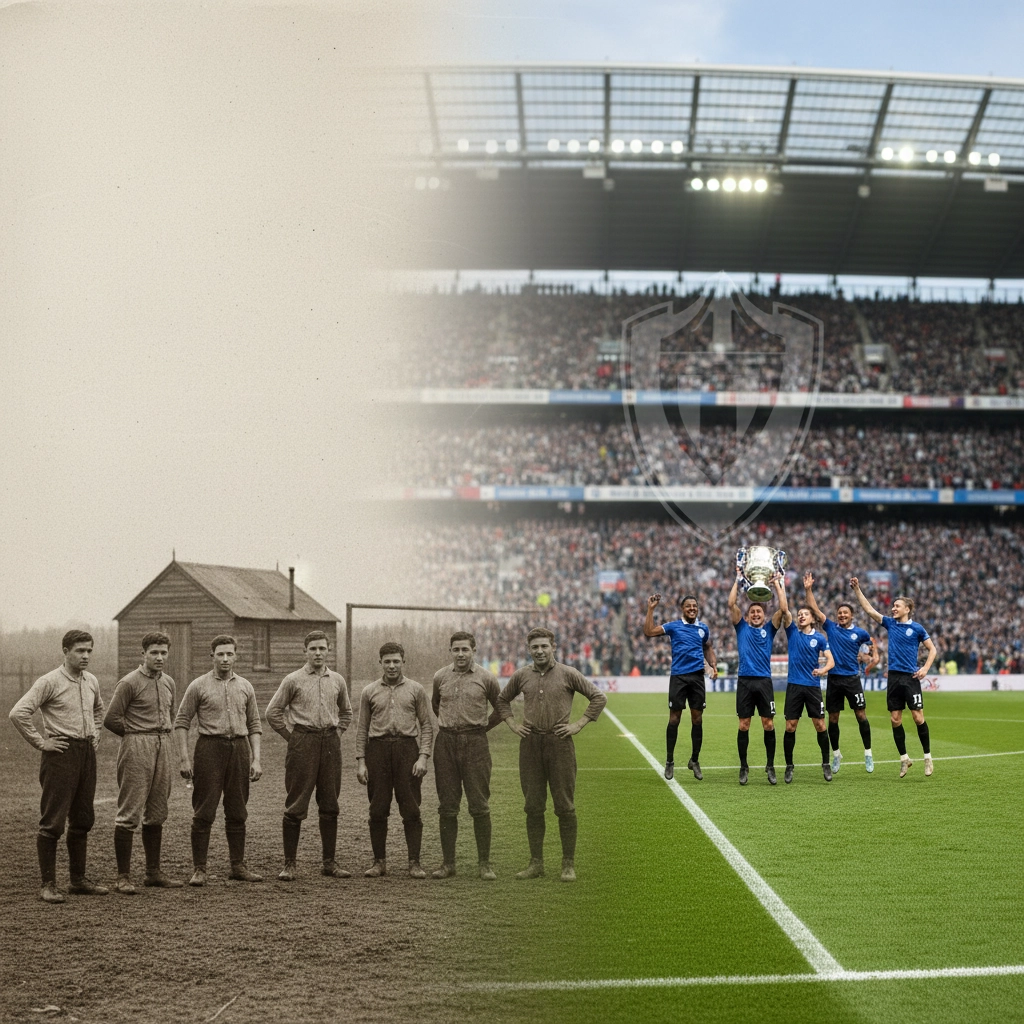
Turning foundations into trophies: the rise of domestic dynasties
Once clubs built stable institutions — a boardroom with regular meetings, reliable gate receipts, and a consistent coaching approach — trophies became an attainable goal rather than a lucky season. What separates one-off winners from dynasties is often organizational depth: a sustainable scouting network, a youth pipeline, and the capacity to reinvest match-day and transfer income back into the squad and infrastructure. Clubs that institutionalized these elements created a positive feedback loop: success increased revenues, which funded better players and facilities, which in turn sustained success.
Regional monopolies also helped. In cities or regions with a dominant employer, social club, or wealthier patron, certain teams could access more resources and recruit the best local talent. Over time tactical identity mattered as much as money — the Ajax philosophy of technical youth development, for example, produced golden eras in the 1970s and again in the 1990s. So did the Manchester United tradition under Sir Matt Busby and later Sir Alex Ferguson, where continuity in leadership and culture translated to repeated titles.
Political and social context played a role too. Post-war rebuilding in many countries gave clubs aligned with powerful institutions — railways, banks, municipal governments — advantages in recruitment and facilities. In other cases, civic pride and mass support created atmospheres that made certain stadiums intimidatory and created home-record advantages. The pattern is clear: dynasties are rarely spontaneous. They are built from strategic planning, local dominance, and an internal culture that treats winning as an organizational objective rather than a seasonal fluke.
Cross-border contests: how international club competition reshaped priorities
The introduction of pan-national competitions transformed club ambition. The European Cup in 1955 reframed success: domestic dominance was no longer the summit — continental prestige mattered. Real Madrid’s early European victories created a template; continental success brought global recognition and attracted elite players who wanted to test themselves at the highest level.
European tournaments forced clubs to broaden their thinking: squad rotation, travel logistics, and tactical adaptability to face different footballing schools became essential. The growing prestige of continental trophies also altered transfer markets and wage structures; players with European experience became more valuable, and clubs increasingly invested to compete on multiple fronts.
Later developments — the rebranding of the European Cup into the Champions League, expanded television coverage, and lucrative UEFA prize money — amplified the stakes. Clubs capable of balancing domestic and European demands gained not just silverware but also the commercial boost that would fund further growth. At the same time, the spread of ideas across borders accelerated tactical evolution: pressing systems, zonal marking, and positional play circulated faster, raising the overall standard and changing how clubs built squads.

Money, media, and modern models: why history still matters in a global game
In the late 20th and early 21st centuries, television rights, sponsorship, and international merchandising reshaped club economics. Historic clubs with large fanbases could monetize nostalgia and tradition — creating global brands while still drawing identity from century-old crests and chants. However, history alone no longer guarantees success; modern winners pair heritage with contemporary business practices: data-driven recruitment, global scouting networks, and diversified revenue streams beyond match-day income.
Ownership models diverge — community-rooted clubs, corporate owners, wealthy benefactors — but those that respect institutional continuity tend to navigate change better. When new money arrives, clubs that integrate it within existing structures (youth development, stadium improvement, brand integrity) preserve long-term resilience. The lesson from history is persistent: foundations laid in classrooms, pubs, and factories matter because institutions endure. Adaptation wins trophies, but identity sustains legacy.
As football continues to globalize, the trade-offs between growth and tradition become clearer. Clubs are not just sporting outfits; they are cultural institutions with responsibilities to supporters, local communities, and the broader game. Balancing commercial imperatives with long-term investment in youth, coaching, and stadiums remains the core challenge for any club aiming to convert history into future success.
Heritage, stewardship and the road ahead
Every generation of fans and leaders inherits a legacy created by founders who wanted more than results—they wanted belonging. Preserving that sense of belonging while embracing modern tools (data analytics, global marketing, and sustainable finance) is the stewardship test for contemporary clubs. Thoughtful governance, respect for community ties, and a commitment to developing talent ensure that history remains a living asset, not just a nostalgic brand. For a broader view of how continental competitions shape club priorities, consult the official UEFA resources.
Frequently Asked Questions
How did many of today’s top clubs originally form?
Most began as local gatherings—teams formed in pubs, churches, schools, or workplaces. These grassroots origins created strong local identities that later evolved into formal clubs as rules, leagues, and professionalism emerged in the late 19th and early 20th centuries.
Why did international club competitions change how teams operate?
Pan-national tournaments increased the prestige and revenue available to successful clubs, requiring deeper squads, better travel logistics, and tactical flexibility. Continental success also broadened scouting horizons and raised the financial stakes, altering transfer markets and club strategies.
Does a club’s history still matter in modern football success?
Yes—history underpins fan loyalty, brand value, and community support, which are valuable assets. However, historical prestige must be combined with modern management: sustainable finances, youth development, and data-driven recruitment to remain competitive long-term.