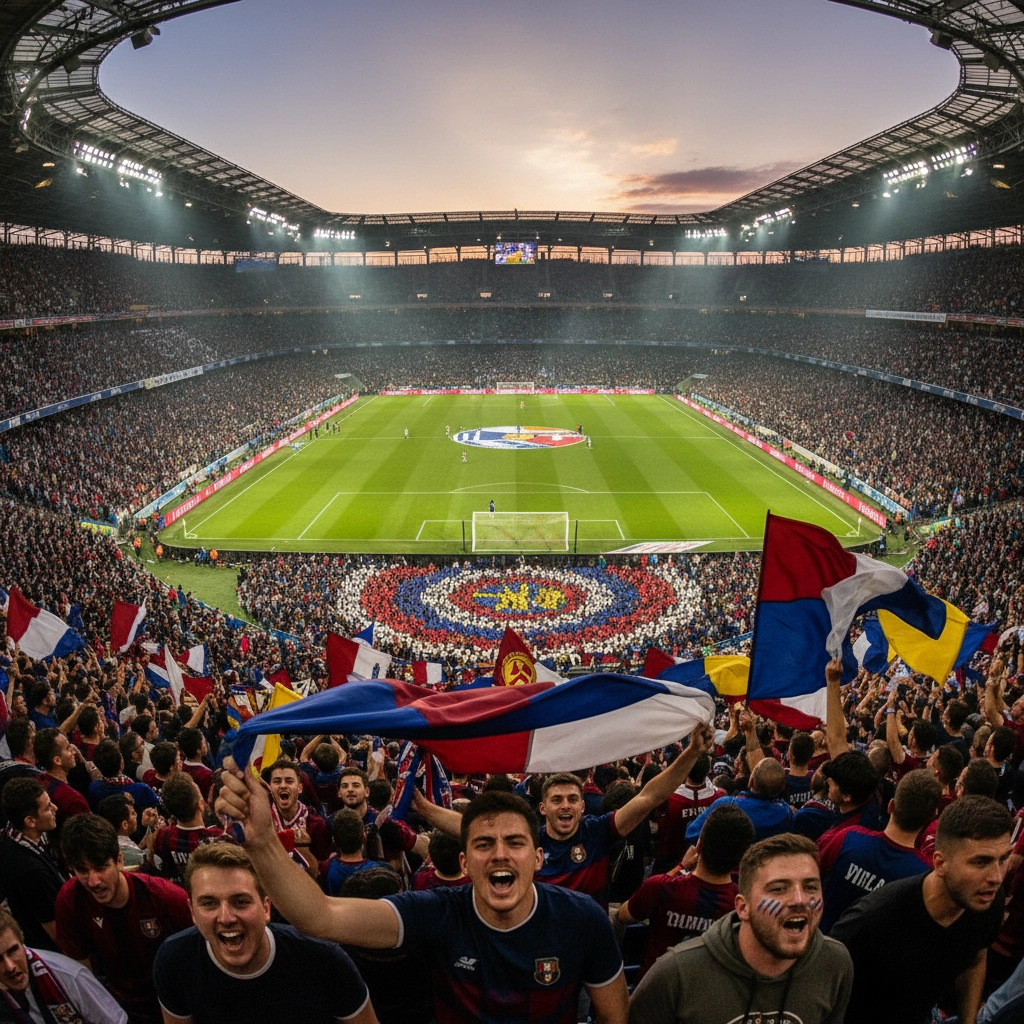
Why European football clubs matter beyond wins and trophies
You probably already know that clubs like Barcelona, Manchester United, Bayern Munich, and Juventus are successful on the pitch. But their significance stretches far beyond match results. Clubs act as social institutions: they influence local identity, provide shared rituals for communities, and become cultural exports that shape perceptions of cities and nations. When you follow a club, you’re often joining a narrative that blends history, politics, fashion, and music into a single fandom.
Across Europe, the size and influence of a club can be measured in many ways—attendance figures, global fanbase, sponsorships, and media reach—but the most enduring measure is cultural resonance. This is why supporters continue to care deeply about club crests, songs, and traditions that have been passed down for generations.
How club culture shapes local and global identity
Club culture is not uniform. It varies by region, history, and social context, and you’ll see clear differences when you compare clubs from different countries:
- Historical roots: Some clubs were founded by workers, students, or religious groups, and those origins still influence traditions and community outreach.
- Political and regional identity: In several cities, support for a club can signal regional pride or political stance. You should be aware that jerseys and chants sometimes carry deeper meanings than you might expect.
- Supporter organization: Local fan groups often define matchday behavior, coordinate tifos (stadium displays), and negotiate with clubs on ticketing and policies.
- Globalization: As clubs expand internationally through tours and media, they adapt some cultural elements for new audiences while trying to protect core traditions for long-time supporters.
When you look at a club’s identity, note how on-field style (attacking versus defensive), youth development focus, and transfer strategy interact with off-field branding. For example, clubs known for academy graduates often emphasize continuity and local talent; others rely on star signings to project ambition and global appeal.
Matchday rituals and the skeleton of stadium atmosphere
Stadiums are where culture becomes tangible. Even before the first whistle, you can witness rituals that unite fans: pre-match marches, club anthems, scarves held aloft, and coordinated chants. These elements create a shared sensory experience—sound, color, and movement—that defines a club’s matchday personality.
- Pre-match rituals: You might join a crowd at a nearby pub, follow a supporters’ march, or stand in a dedicated fan section where singing is constant.
- Tifos and banners: Large choreographed displays are common at major clubs and communicate solidarity, memory, or challenge to rivals.
- Supporter codes: Many clubs have unwritten rules about behavior—what chants are acceptable, how to welcome away fans, and how to preserve safe, family-friendly environments.
Understanding these rituals will help you appreciate why stadiums feel different from one city to another. In the next section you’ll dive into the iconic stadiums themselves—their architecture, capacity, and the unique atmospheres that define matchdays across Europe.
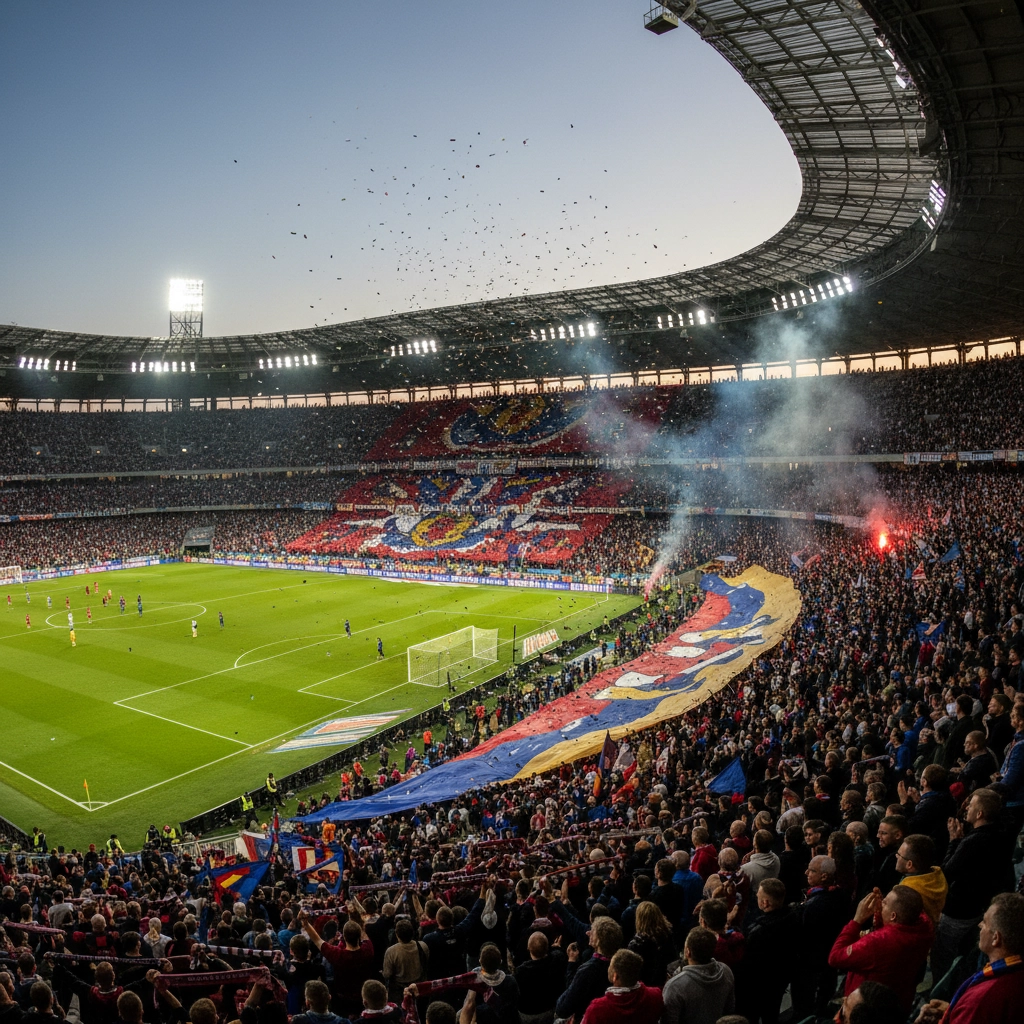
Iconic stadiums: architecture, capacity, and the making of atmosphere
Stadiums are more than seats and steel—they’re acoustic instruments, social theatres, and visible symbols of a club’s identity. How a ground is built and configured affects everything from sightlines and noise to the rituals fans can perform. Two broad approaches often clash: the vast, multi-tiered arena designed for commercial events, and the compact, steep-terraced ground that keeps supporters close to the pitch.
Consider these elements that shape stadium personality:
– Seating geometry and proximity: Steep stands and low barriers make singing more infectious; clubs with older, denser grounds (Anfield, Celtic Park) retain that visceral roar because fans feel almost on top of the players. Large, bowl-shaped stadia (Camp Nou, Santiago Bernabéu) can swallow sound unless designed specifically for amplification.
– Standing versus seating: Safe standing areas, common in parts of Germany, create more flexible, sustained chants and coordinated displays. Signal Iduna Park’s Südtribüne—the “Yellow Wall”—is the archetype: a single standing terrace of tens of thousands producing sustained, match-long support.
– Architectural identity: Some stadiums double as urban landmarks. Allianz Arena’s illuminated façade projects club colours across the neighbourhood; San Siro’s twin towers and external ramps give it a dramatic silhouette; Bernabéu’s ongoing renovation aims to rebrand it as a 21st-century entertainment venue while preserving its historical weight.
– Capacity and intimacy: Bigger is not always better for atmosphere. While Camp Nou’s capacity gives Barcelona a global stage, matches there can feel less claustrophobic than a sold-out 40,000-seat ground where every chant hits the concrete and bounces back. Smaller stadiums often foster rituals that are passed neighbour to neighbour, reinforcing local identity.
– Multi-use pressures and modernisation: Renovations driven by corporate hospitality, security, and accessibility can sterilize matchday culture if not handled sensitively. Clubs that engage supporters during redevelopment—through consultation or preserving traditional stands—generally retain stronger atmospheres.
These architectural choices also dictate how fans experience matchday: where marches gather, where tifos are staged, and how rival supporters are segregated. Recognising the physical template helps explain why matches at different grounds feel qualitatively different even when the teams are of similar quality.
Derbies, rivalries, and how conflict shapes club culture
Rivalries are the social lightning rods of European football. They compress history, politics, and local pride into 90 minutes and a thousand micro-rituals. Some rivalries are civic—two clubs from the same city competing for bragging rights—others are regional or ideological, carrying decades of memory and grievance.
Key dynamics of rivalries:
– Historical and political layers: El Clásico (Barcelona vs Real Madrid) carries regional and national symbolism beyond sport; the Old Firm (Celtic vs Rangers) intertwines religion, immigration, and identity in Glasgow. These non-football dimensions make certain fixtures emotionally charged in ways that require careful stewarding.
– Ritualised antagonism: Chants, banners, and pre-match rituals often reference past encounters, historical slights, or local lore. These practices can reinforce solidarity among supporters while explicitly marking out the opposing group.
– Risk and control: High-stakes fixtures demand stricter policing and stewarding, but heavy-handed approaches can alienate fans. Many clubs and municipalities now prefer community-led dialogue, steward training, and segregation policies designed to reduce flare-ups while preserving fan expression.
– Rivalry as catalyst for engagement: Intense fixtures drive higher attendance, more elaborate tifos, and sometimes political activism (ticket-price strikes, protests against ownership). They also offer moments for positive displays—joint tributes or community outreach—when clubs choose to emphasise common humanity over enmity.
Rivalries give clubs their high-drama moments and define long-term narratives for supporters. Managed responsibly, they can deepen identity and tradition; unmanaged, they risk escalating into social harm. Understanding this balance is essential to appreciating why certain matches mean more than just three points.
As clubs evolve—through stadium rebuilds, shifting ownership models, and changing media landscapes—the core social role they play remains: a platform where identity, memory, and community collide. Increasingly, clubs are being asked not only to win games but to act as responsible civic actors, from youth outreach to sustainability programs. That dual obligation—to perform and to belong—will shape how supporters, cities, and institutions interact in the years ahead.
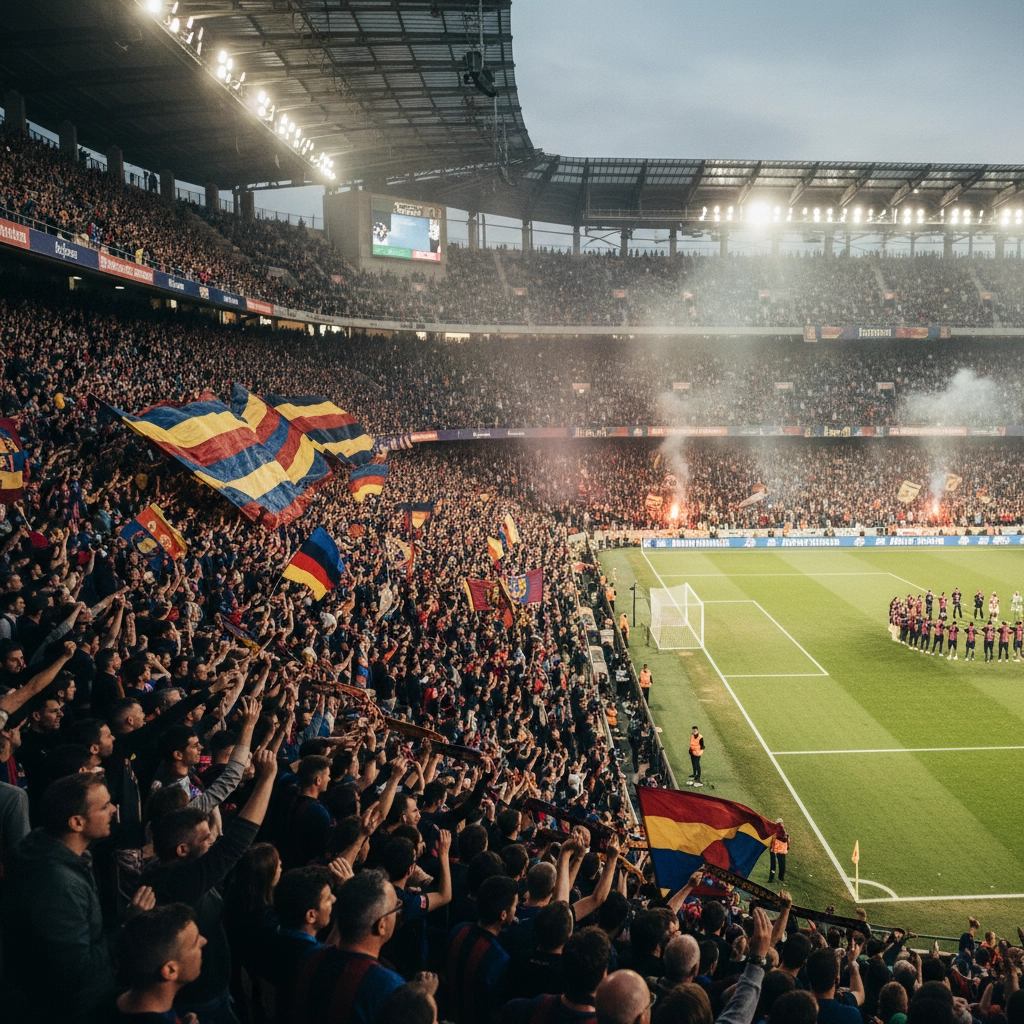
Preserving passion: the next chapter for European clubs
The future of European football will be decided as much in boardrooms and planning committees as in terraces and training grounds. If clubs, fans, and regulators can balance commercial pressures with the everyday rituals that make matchdays meaningful, the sport can retain its cultural vitality. This means protecting supporter traditions when modernising grounds, supporting community programmes that reflect a club’s origins, and investing in accessible matchday experiences for diverse audiences.
Fans have growing influence—through supporters’ trusts, organised campaigns, and social media—and that voice will be crucial in shaping policies that affect ticketing, stadium design, and local engagement. Governing bodies and clubs often publish guidance and initiatives for responsible stewardship; for a broad view of policy and fan engagement frameworks, see UEFA’s resources.
Above all, preserving the passion of European football requires mutual respect: clubs respecting their histories and communities, and fans approaching rivalry with creativity rather than hostility. That commitment can help ensure stadiums remain places of ritual and belonging for generations to come.
Frequently Asked Questions
How does stadium architecture influence the matchday atmosphere?
Seating geometry, proximity to the pitch, and whether fans can stand shape acoustics and collective behaviour. Steep, compact stands and standing terraces tend to concentrate sound and encourage continuous chanting, while large bowl stadia may require specific design features to trap and amplify noise.
What role do supporters’ groups play in a club’s decisions?
Supporters’ groups often coordinate matchday activities, negotiate with clubs on ticketing and policies, and participate in consultations during stadium redevelopments. In many places they also form trusts or advocacy groups to represent fan interests in governance discussions.
Are intense rivalries more harmful or beneficial to football culture?
Rivalries drive engagement, creativity, and local identity, but they can also escalate into hostility if unmanaged. When clubs and authorities focus on dialogue, stewarding, and safe expressions of rivalry, the fixtures retain drama without undue social harm.