When derby days become the heartbeat of a city
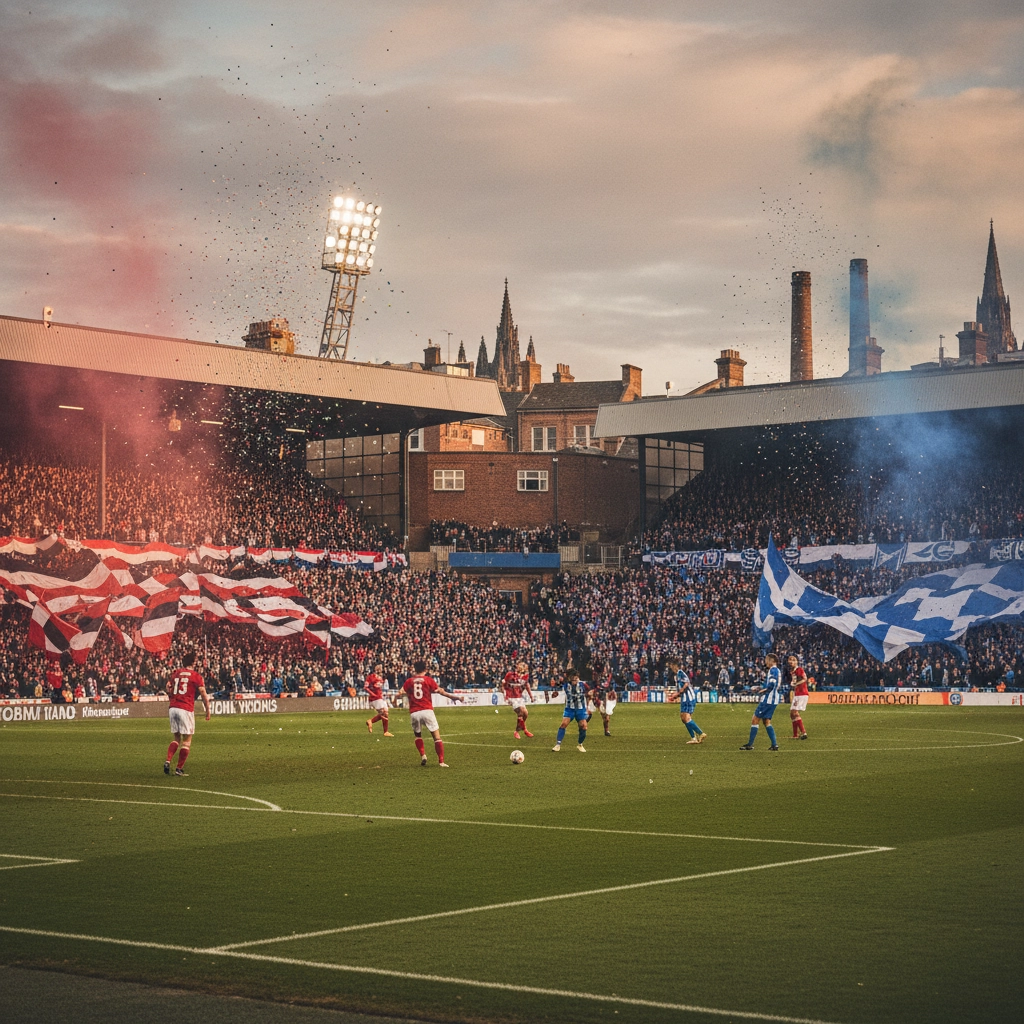
You likely know that football is more than a game when a whole neighborhood changes its routine on matchday. Derby days are the moments when local identity, history, and passion concentrate into ninety minutes of high stakes. In many cities, these fixtures are annual rituals that determine bragging rights, influence local politics, and create memories passed from one generation to the next. This section explains why derbies matter and how they rose from ordinary matches to defining cultural events.
Why local rivalries grab your attention
Derby matches hold your attention because they combine familiarity with unpredictability. You understand the clubs, the people, and often the street-level history behind the rivalry, yet each meeting can still surprise you with an unlikely result, controversial incident, or a moment of individual brilliance. You feel the stakes because the consequences extend beyond league points — pride, social standing, and community narratives are on the line.
Early flashpoints that turned fixtures into feuds
To see how rivalries escalate, you can look at their early flashpoints: a contentious transfer, a disputed refereeing decision, or a cup tie that blows up into violence or political debate. Those early incidents harden into stories you re-tell, so even neutral observers come to understand the emotional currency a derby holds. Below are common catalysts that convert ordinary fixtures into historic rivalries:
- Geography: Proximity breeds competition; neighboring clubs vie for local dominance and fan loyalty.
- Social and economic divides: Class, industry, or religious splits in a city often map onto clubs and their supporters.
- On-field contests: Dramatic matches, controversial refereeing, and memorable deciders create lasting grievances.
- Key players and managers: Transfers between rivals, charismatic managers, or star performers can intensify feelings quickly.
- Media amplification: Press coverage and later television magnify incidents, shaping a shared historical record.
How early classics set the template for future derbies
When you study the earliest classic matches in any rivalry, patterns emerge. A single cup upset or a title-deciding match can become a touchstone that future generations reference whenever the teams meet. Those classics often share features: high drama, controversial moments, and narratives of underdog triumph or vindicating revenge. You start to recognize how sportswriters, broadcasters, and fan oral history canonize certain matches and embed them into a club’s identity.
Many rivalries also evolve through repeated sequences: an initial incident sparks hostility, which leads to a heated rematch, which then produces a controversial moment that cements the feud. Over decades, these cycles create the mythos you now associate with historic derby clashes, giving each fixture layers of context that new supporters inherit without needing to witness the original events.
With that background in place, you’ll be ready to examine particular rivalries and the standout matches that defined them, looking at examples from different countries and eras to see how local conditions shaped very different kinds of derby passion.
Classic rivalries across continents: matches that became global reference points
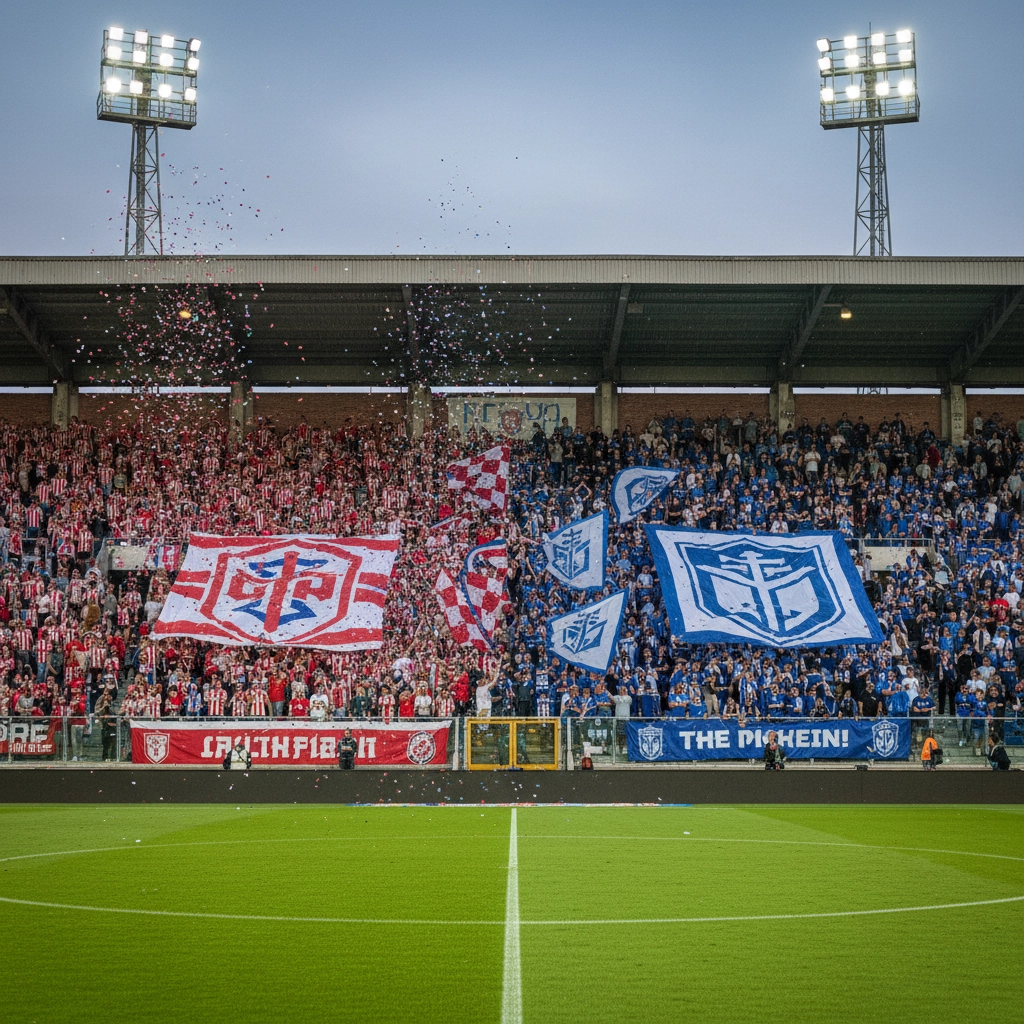
When you look at rivalries that broke out of their city limits and entered the global consciousness, a few patterns stand out: politics and identity, repeated high-stakes encounters, and moments so extraordinary they demanded international attention. Take El Clásico — Barcelona versus Real Madrid — where years of close title races and Catalan identity clashed with a club long associated with Spain’s establishment. Those matches have produced not just memorable scorelines but enduring narratives about sport and sovereignty.
In South America, the Superclásico between Boca Juniors and River Plate is another example of local passion spilling into world headlines. That rivalry has staged everything from legendary comebacks to ugly crowd incidents; the 2018 Copa Libertadores final, relocated to Madrid after violence in Buenos Aires, illustrates how a domestic feud can force the football world to intervene. Similarly, the Old Firm in Glasgow — Celtic versus Rangers — shows how sectarian, religious, and social divisions can make derbies seem like more than football to entire communities.
Elsewhere, city derbies such as the Milan derby (Inter versus AC Milan) and the De Klassieker (Ajax versus Feyenoord) are shaped as much by contrasting urban identities and club philosophies as by on-field outcomes. And some fixtures, like the Merseyside derby between Liverpool and Everton, are notable for a different reason: they combine fierce rivalry with deep local ties, producing matches that are unpredictable in tone — hostile one season, almost familial the next.
These international reference points teach you that a derby’s global profile depends not only on the clubs’ success but on recurring narratives — political overtones, dramatic finals, controversial transfers, or incidents that force external arbitration. When that happens, a local fixture transforms into a template used by fans and journalists worldwide to talk about rivalry itself.
Turning points: how single matches rewired decades of rivalry
Certain matches act as cultural fulcrums: one controversial incident or unforgettable result can recalibrate a rivalry for generations. A transfer perceived as betrayal — Luis Figo’s move from Barcelona to Real Madrid is a quintessential modern example — can inject personal resentment into what was previously an institutional contest. Managers’ provocations, disputed refereeing decisions that decide titles, and cup upsets where the underdog humbles the favorite all create new reference points that fans retell.
Some turning points are structural. Tragedies or crowd violence often lead to policing, segregation of supporters, and stricter stadium regulations; those changes alter the way derbies are experienced and consumed. Other matches rebrand clubs in the public eye: a surprise European run against a traditional rival can elevate a club’s stature and change future encounters’ psychological balance.
In the digital era, the replayability of incidents — viral clips, instant pundit analysis, and social-media storytelling — accelerates canonization. Where previously a great match might be preserved in oral tradition or newspaper archives, now every flare, slide-tackle, or anguished miss is catalogued and memed, ensuring that turning points imprint on a far larger audience and intensify rivalries more quickly than ever before.
Derby days and the road ahead
Rivalries will keep changing—shaped by new ownership models, broadcasting, fan activism, and shifts in urban life—but the core remains: derbies are social instruments as much as sporting contests. They can lift communities, expose social tensions, and force institutions to adapt. As clubs, supporters, and authorities navigate safety, fairness, and commercial pressures, preserving the spectacle while reducing harm will be central to how these fixtures are experienced in coming decades. For broader context on how global football governance intersects with local traditions, see FIFA.
Ultimately, derby days endure because they are living stories—rewritten every season by players, managers, and fans. That continuous rewriting ensures that while the names and circumstances change, the drama, identity, and communal energy that make these matches special will remain part of football’s heartbeat.
Frequently Asked Questions
What makes a derby different from a regular fixture?
A derby is defined by local proximity, historical rivalry, and an emotional stake that goes beyond league points. Geography, social or economic divides, and memorable past incidents turn regular fixtures into derbies with heightened atmosphere and significance.
Which matches are considered the most historically significant rivalries worldwide?
Fixtures like El Clásico (Barcelona v Real Madrid), the Superclásico (Boca Juniors v River Plate), and the Old Firm (Celtic v Rangers) are globally recognized due to their political, cultural, and competitive histories. Each became a reference point through repeated high-stakes encounters and moments that attracted international attention.
How has modern media changed the way rivalries develop and are remembered?
Digital media accelerates memory-making: viral clips, instant analysis, and social platforms amplify incidents and canonize turning points much faster than print-era storytelling. This increases the audience for rivalries and can intensify feelings, but it also broadens scrutiny and creates new avenues for clubs and authorities to respond.