How football clubs become global icons and why you should care
You may follow a club because of childhood memories, a memorable match or a player’s brilliance, but the clubs that achieve global fame do so through a combination of measurable success and emotional connection. When you look at teams that routinely feature in conversations about the “world’s top football clubs,” you’ll notice patterns: consistent silverware, a devoted fanbase, iconic stadiums, and narratives that extend beyond the pitch. Understanding these patterns helps you appreciate why certain matches feel historic and why rivalries persist across generations.
Key elements that turn a local club into a global brand
Not every team with a long history becomes globally renowned. You’ll find that the most famous clubs blend sporting achievement with cultural relevance. Below are the recurring elements that define elite clubs and explain their enduring popularity.
- Sporting success: Regular domestic league titles, domestic cups and deep runs in continental competitions create reputations that attract attention worldwide.
- Memorable moments: Iconic matches, decisive goals and golden eras—these are the events that convert casual observers into lifelong supporters.
- Youth development and talent pipelines: Academies that produce stars build a club’s identity and sustain success over decades.
- Financial and commercial strategy: Smart sponsorships, global marketing and player trading can turn local prestige into international influence.
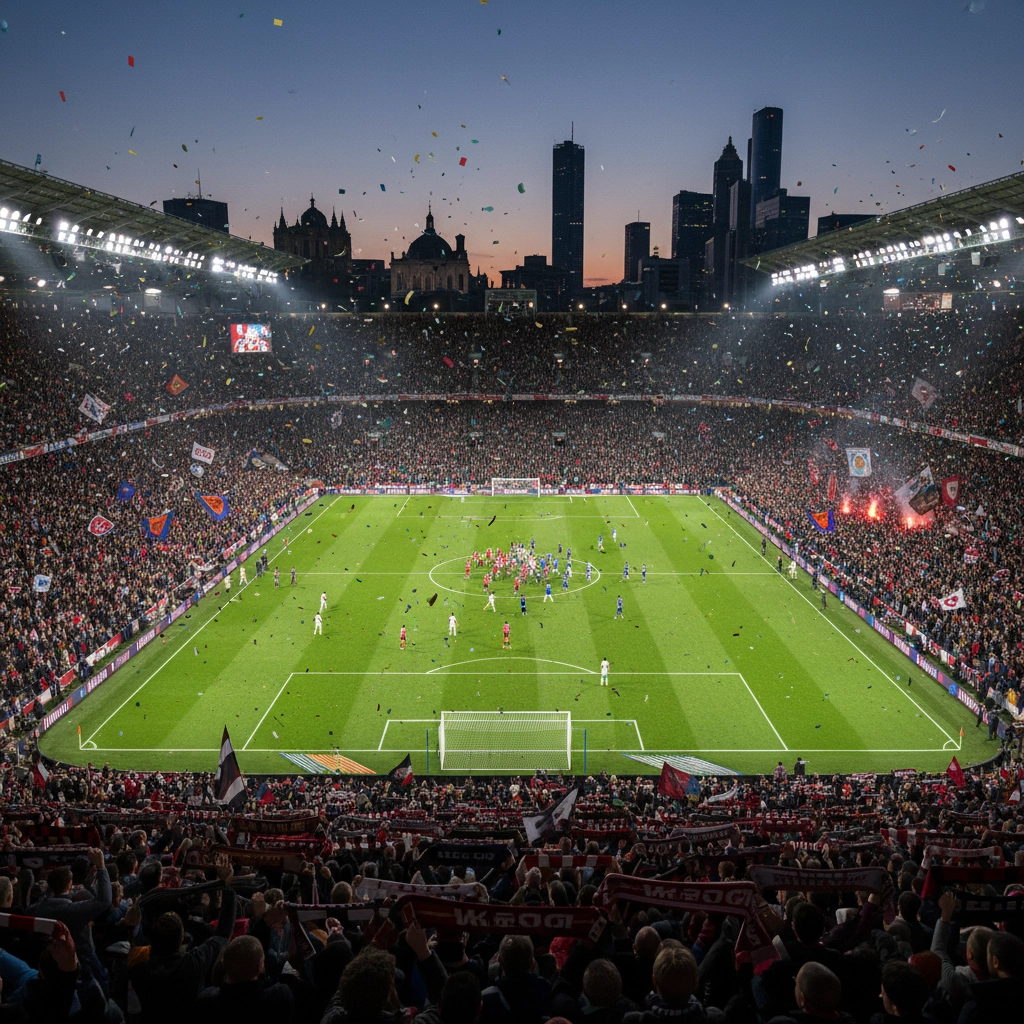
- Stadium and matchday culture: A packed ground, distinctive chants and traditions create an atmosphere that draws both fans and media.
- Global fan engagement: Tours, social media and international academies make a club a household name across continents.
Foundations of success: infrastructure, leadership and culture
When you analyze the most successful clubs, you’ll see that on-field triumphs are built on off-field stability. This second major pillar—structure and culture—determines whether success endures or fades after a golden generation. Clubs with long-term planning tend to outperform those built around short-term spending.
How governance and culture affect long-term competitiveness
You should pay attention to three practical areas that most often predict sustained success:
- Leadership continuity: Stable ownership and coherent sporting directors reduce disruptive policy shifts and support consistent recruitment.
- Investment in facilities: Modern training centres and scouting networks allow you to spot and develop talent efficiently, lowering reliance on expensive transfers.
- Club identity and philosophy: Whether a club prioritizes youth, tactical innovation, or global recruitment influences the kind of football it plays and the supporters it attracts.
With these foundational ideas in mind, you’ll be ready to examine specific clubs that exemplify different paths to fame—teams that built dynasties through trophies, others that expanded through branding, and those whose rivalries became defining chapters in football history. In the next section, you’ll explore the most successful clubs by trophy count and the historic rivalries that shaped modern football culture.

Most successful clubs by trophy count: measuring greatness beyond headlines
When you quantify success, trophy cabinets provide the clearest metric—yet they require context. Not all trophies carry the same weight and regional differences complicate direct comparisons. Still, looking at clubs with the largest haul of domestic and international honours reveals patterns about dominance, longevity and infrastructure.
Clubs frequently cited at the top include:
- Real Madrid: A global benchmark for European success thanks to a record number of UEFA Champions League titles and consistent domestic performance.
- Al Ahly: The powerhouse of African football, notable for an extraordinary number of national league titles and continental trophies, demonstrating how dominance can be regionally concentrated yet globally significant.
- Rangers and Celtic: The Old Firm’s combined haul underlines how historical rivalry fuels sustained success—decades of league and cup victories in Scotland.
- Boca Juniors and River Plate: South American giants with multiple Copa Libertadores wins, illustrating that continental trophies carry immense cultural prestige in addition to sporting value.
- Bayern Munich, AC Milan, Liverpool and Manchester United: Clubs whose domestic dominance is matched by European success, showing the synergy between strong domestic leagues and continental campaigns.
When you compare clubs, ask which trophies matter most to your criteria: domestic league titles, national cups, continental competitions (UEFA/CONMEBOL/AFC) or global titles like the Club World Cup. A holistic view blends quantity with quality—how many major continental honours a club holds, the eras over which success was achieved, and whether victories were sustained or clustered around a single golden generation.
Historic rivalries that shaped modern football culture
Rivalries are the narrative engine of football. Some are local—and visceral—rooted in class, religion or neighbourhood pride. Others are national or continental, born of repeated high-stakes encounters. These matchups create defining moments, amplify player legacies and often determine how clubs are perceived across generations.
Prominent rivalries you should know:
- El Clásico (Real Madrid v Barcelona): More than a match—politics, culture and contrasting club philosophies collide, producing global audiences and unforgettable fixtures.
- Old Firm (Celtic v Rangers): A rivalry steeped in identity and history, where social and religious divides amplify every result.
- Superclásico (Boca Juniors v River Plate): South America’s fiercest derby—passion, atmosphere and intensity that transcends football.
- Milan Derby, Manchester Derby, Liverpool v Manchester United: City and regional rivalries that have defined domestic eras and shaped transfer and tactical battles.
- Galatasaray v Fenerbahçe: Turkey’s derby known for fan culture and high emotion, illustrating how rivalries can dominate national sporting consciousness.

How rivalries evolve in the modern era
Rivalries aren’t static. Globalization, television rights and player mobility have reshaped them. New axes of competition—financial power, continental ambition and commercial rivalry—now create contemporary feuds. Examples include the rising tension around clubs backed by wealthy owners (e.g., Manchester City, PSG) and show how spending can generate rivalry even without long historical baggage.
Social media, global fanbases and international tours mean derbies are experienced worldwide, sometimes diluting local intensity but amplifying commercial reach. Yet core elements—history, identity and pivotal matches—still fuel the rivalries that matter most. Understanding this evolution helps you appreciate why some fixtures remain must-watch events while others grow into the marquee clashes of tomorrow.
The Road Ahead for the World’s Top Clubs
Football’s biggest clubs will continue to balance tradition and change: honoring history while adapting to new economics, technologies and fan expectations. Expect innovations in data, sustainability and global outreach to reshape matchday experiences and talent development, even as local identities and rivalries retain emotional power. Clubs that combine responsible governance with creativity—on and off the pitch—are the most likely to thrive in the decades ahead.
For those who follow the game, that future will bring fresh narratives, new rivalries and evolving measures of success, from academy output and community impact to continental ambition. If you want to explore how elite competitions are structured today, see the official UEFA Champions League site: UEFA Champions League.
Frequently Asked Questions
What factors most often make a football club globally famous?
Global fame usually stems from a mix of long-term sporting success, memorable moments and strong identity, supported by smart commercial strategy, iconic stadium culture and active international engagement with fans.
Why do some rivalries matter more than others?
Rivalries become significant when they reflect deeper social, cultural or historical divides, feature repeated high-stakes encounters, or produce defining matches that capture public imagination—factors that sustain interest across generations.
Can new ownership and increased spending create enduring rivalries?
Yes. Wealthy ownership and ambitious investment can spark rivalries by shifting competitive balance and creating fresh narratives, though lasting intensity typically depends on on-field results, repeated clashes and fan engagement over time.