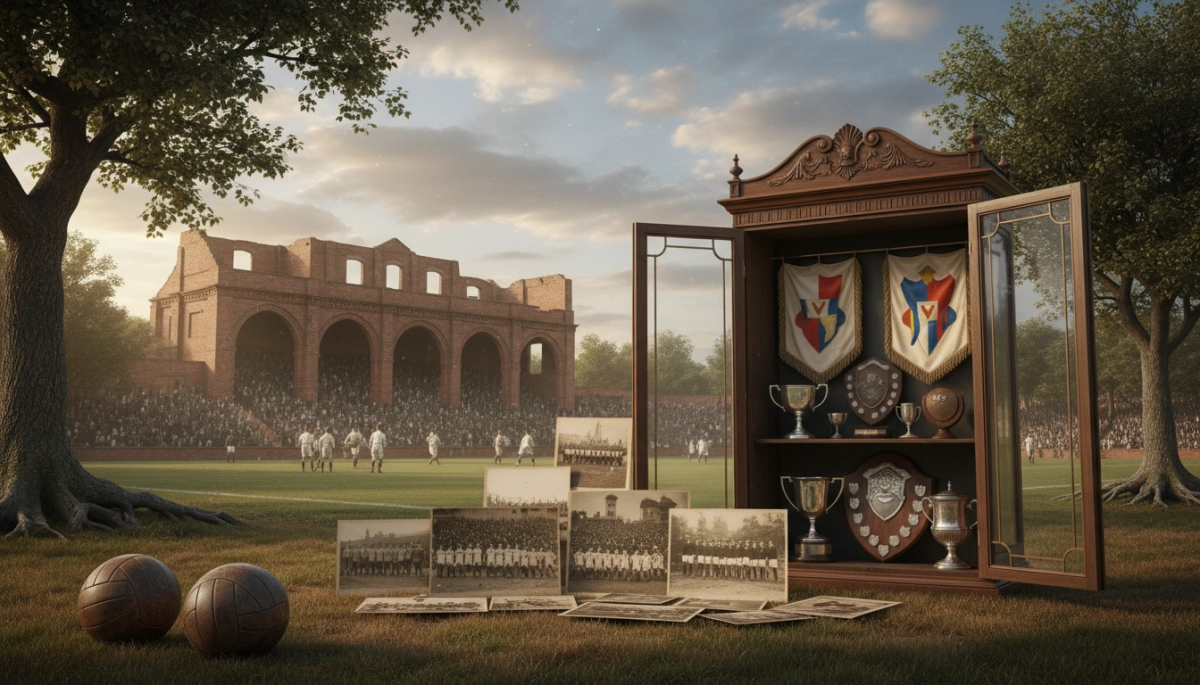
Why the oldest football clubs still matter to you
You might think modern football is defined by television deals, transfer fees, and global superstars, but the game you watch and love grew from local clubs founded in the 19th century. Those early clubs set down not only rules and rivalries, but practices of community identity, volunteerism, and matchday ritual that persist in stadiums around the world. Understanding their stories helps you see how contemporary competitions, club loyalties, and even playing styles evolved over time.
When you trace a club back to its origins, you discover that many began as social or educational institutions—church groups, workplaces, or public school alumni—rather than commercial ventures. That origin shapes the club’s values and the way supporters interact with it: you’re less likely to view a historic club purely as a business and more as a keeper of shared memory and local identity.
How early clubs shaped rules, rituals, and rivalries you recognize today
The earliest clubs were laboratories for the rules and rituals that became standard. Before a unified code, different schools and towns played by local variations. Clubs negotiated kick-off times, the number of players, and even what constituted a foul. Over time, those negotiations produced formal rulebooks and governing bodies, but many small practices remained embedded in club culture.
- Rule standardization: You can trace offside rules, throw-in methods, and ball sizes to debates among 19th-century clubs and associations.
- Matchday culture: Pre-match parades, half-time traditions, and the role of club committees grew out of civic ceremonies tied to early fixtures.
- Local rivalries: Many of the fiercest derbies began as contests between neighboring workplaces, parishes, or schools—rivalries you still experience as a fan.
Early club types and the environments that birthed them
To understand these clubs you should consider three common origins that recur across countries:
- Educational institutions: Public schools and universities were hotbeds for codifying forms of football; if you support a club with school-linked roots, you’re part of a long academic sporting tradition.
- Religious and charitable groups: Church teams used football for social outreach and to instill discipline, which influenced clubs’ moral missions and community programs.
- Industrial and workplace teams: Mining, factory, and railway workers formed teams to build camaraderie; many industrial clubs later became professionalized and remain community anchors.
These environments affected everything from team colors (often supplied by patrons or workplaces) to the initial funding and facilities available. When you attend a match at a historic ground, you’re often walking through layers of local history—stadiums built on former industrial sites, clubhouses that once hosted community meetings, and trophies donated by local benefactors.
Next, you’ll meet several of the oldest surviving clubs and learn the defining moments—matches, personalities, and decisions—that turned them from local gatherings into institutions that shaped the global game.
Profiles in survival: clubs whose names shaped the game’s early story
Meet a handful of teams whose origins you can still follow on a map—and whose early choices echoed across the sport. Sheffield FC (1857) is widely acknowledged as the world’s oldest club; its “Sheffield Rules” and local fixtures helped codify practices that fed into the national rulebook. Close by, Hallam FC (1860) kept the rivalry alive at Sandygate, a ground Guinness recognises as the oldest still in use for football. Those two northern sides turned what had been a pastime into scheduled competitions with referees, spectators, and match reports.
Notts County (1862) illustrates the next phase: industrial-era teams professionalizing and joining formal leagues. As one of the founders of organized league football in England, Notts County helped transform weekend matches into organized competitions with promotion, relegation, and gate receipts that financed travel and player wages. Across the border in Scotland, Queen’s Park (1867) followed a different path by championing the passing, or “combination,” game and preserving an amateur ethos that endured until the club eventually turned professional in the 21st century—showing one way tradition adapts when the sport’s economics change.
Clubs like the Royal Engineers (established in the 1860s) are examples of how teams linked to institutions—military or workplace—spread tactics and discipline. Their organized style and participation in early FA Cup finals helped popularize coordinated play, moving the game away from chaotic scrums and toward teamwork-focused strategies still taught to youth players today.
Turning points that decided which clubs lasted
Longevity rarely comes from luck alone. A few recurring turning points explain why some clubs survived while others disappeared:
- Embracing—or resisting—professionalism: The late 19th century forced clubs to choose whether to pay players and chase larger competitions. Those that balanced local identity with financial pragmatism endured; those that clung to an unpaid model without other income often folded or became minor sides.
- Adapting facilities and governance: Clubs that invested in a permanent ground, a clubhouse, and administrative structures could host larger crowds and negotiate fixtures and revenue more effectively. A stable committee—or later, a board—often made the difference between a club that lived on and one that vanished after a bad season.
- Iconic matches and personalities: Certain fixtures acted as turning points: major cup runs, famous wins over larger teams, or the work of key figures (generous patrons, pioneering coaches, or ambitious secretaries) that secured funding or publicity. Those moments changed perception and attracted sustained support.
Read on to see how these threads—club identity, tactical innovation, and institutional decisions—played out in individual stories, and how the oldest clubs still influence the rituals and rivalries you witness every weekend.
Where to see history in play
If you want to experience the legacy firsthand, many historic clubs welcome visitors to matches, museum displays, and guided tours of their grounds. Sandygate, Meadow Lane, and Hampden Park each carry distinct stories you can explore on matchday or through local heritage groups. Supporting these clubs—by attending lower-league fixtures, buying a program, or joining fan-run preservation projects—keeps their stories alive for future generations.
Keeping the past in play
The oldest clubs endure because people choose to care for them. Whether through volunteering on a matchday, researching local archives, or simply telling the stories to new fans, individual actions maintain the living connection between football’s present and its roots. If you leave a stadium thinking about the brickwork, the club badge, or a worn patch of turf, you’re participating in a tradition far older than any transfer headline. For more on one club’s long history, see the Sheffield FC official site.
Frequently Asked Questions
Which club is considered the oldest in the world?
Sheffield FC, founded in 1857, is widely recognised as the world’s oldest football club still in existence and played a formative role in creating early rules and organized fixtures.
How did early clubs influence modern football rules and tactics?
Early clubs negotiated local rules (offside, throw-ins, player numbers) and developed organized tactics—such as the passing “combination” popularised by Queen’s Park and the regimented play of teams like the Royal Engineers—that helped shift the game from chaotic scrums to structured team strategies.
What can fans do to support historic clubs today?
Attend matches, join official supporter groups, donate to preservation funds, volunteer at club events, and promote local heritage projects. Small contributions—buying a program or sharing a club’s story—help maintain the traditions and facilities that sustain these teams.