Why these players shape modern football and what you should expect
You follow football because the best players define how the game evolves: new attacking patterns, pressing systems, or goalkeeper sweeps that change tactics across leagues. In this guide, you will learn how contemporary stars influence results and why certain names consistently appear in debates about “the best today.” Rather than relying on reputation alone, you’ll be shown the measurable ways to compare players and the context that matters when interpreting their output.
This article series is structured so you can quickly understand the framework used to judge elite performance, then dive into individual profiles, verified stats, and highlight moments that illustrate each player’s strengths. In Part 1 you’ll get the context and evaluation tools; subsequent parts will contain detailed player profiles and a closer look at recent match-defining highlights.
How to evaluate current stars: concrete metrics and football intelligence
Statistical indicators you should track
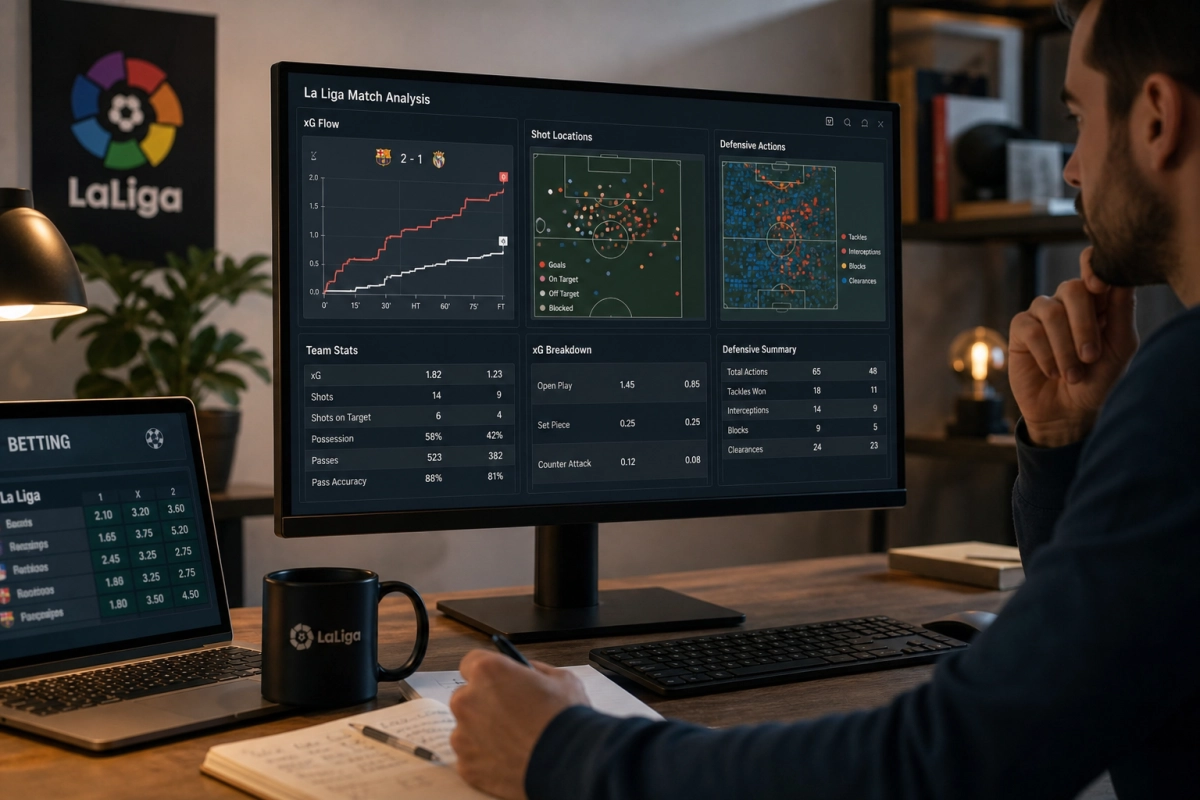
- Goals and expected goals (xG): raw finishing plus quality of chances indicates scoring efficiency and chance creation.
- Assists and expected assists (xA): reveals vision and decision-making in the final third.
- Progressive carries and passes: shows how a player advances the ball through opposition lines.
- Pressing actions and recoveries: measures defensive contribution and transition impact.
- Shot-creating actions and key passes: quantify involvement in goal-creating sequences beyond traditional assists.
Tactical roles and intangible qualities that matter
- Positional versatility: you should note whether a player can adapt to multiple systems without losing effectiveness.
- Decision-making under pressure: influence on game tempo and risk management is often visible only in match footage and situational stats.
- Leadership and consistency: measurable through minutes played, influence in big matches, and trends across seasons.
- Fit with team strategy: a player’s numbers can be inflated or suppressed by teammates and formation—context is crucial.
Competition level and sample size considerations
When you compare players, differentiate performances in domestic league play, continental competitions, and international matches. Short-term hot streaks can distort impressions; prioritize metrics over a full season (or multiple seasons) and adjust for strength of opposition. Advanced models like per-90 metrics and rate statistics help you compare across differing playing times and roles.
Quick overview: the types of elite players you’ll read about next
To prepare you for the detailed profiles, here are the archetypes that dominate today’s conversations: goal-scoring forwards who supply consistent xG output, playmaking midfielders who control tempo and create chances, modern full-backs who combine defensive solidity with attacking width, and all-purpose defensive anchors who screen systems and restart attacks. In the next part, you’ll get individual profiles that pair these archetypes with real players, their season-by-season stats, and the highlights that best illustrate their influence.
Clinical finishers: forwards who force tactical shifts
Forwards on this list aren’t just high scorers — they change how opponents defend. Two contrasting archetypes dominate: the pure finisher who hunts high-quality chances inside the box, and the mobile threat who stretches space with speed and progressive carries.
– Erling Haaland (archetype: lethal central striker). Why he matters: exceptional aerial and inside-box finishing, plus timing of runs that consistently beat defensive lines. What to watch in the numbers: goals per 90 relative to team xG, percentage of shots inside the six-yard box, and successful pressures leading to turnovers in the final third. Typical highlights: powerful near-post headers, first-time finishes from low crosses, and clinical finishes after pacy breakaways. Tactical impact: teams now deploy deeper center-backs or two-man screens to limit his runs, which frees space for teammates — a fact measurable through changes in teammates’ xG when Haaland occupies defenders.
– Kylian Mbappé (archetype: pace-driven creator–scorer). Why he matters: elite top-speed carries combined with high-end finishing and regular creation of shot-creating actions. What to watch in the numbers: progressive carries per 90, shot-creating actions, and successful dribbles into the penalty area. Typical highlights: long-range solo runs ending with composed finishes or smart flicks to a teammate; moments where his acceleration forces a backline to shift and opens passing lanes. Tactical impact: defenders often sit off to avoid being beaten in transition, which stretches formations and creates overloads on the opposite flank.
For both players, contrast their shot quality (xG per shot) and involvement in build-up sequences. A useful comparison metric is “team xG without player” vs “team xG with player” to estimate direct impact on scoring opportunities.
Creative engines: midfielders who control tempo and unlock defences
Elite playmakers balance chance creation, progression, and defensive work-rate. The modern top midfielder combines high assist numbers with progressive passing and situational pressing.
– Kevin De Bruyne (archetype: advanced playmaker). Why he matters: vision for line-breaking passes plus consistent crossing and set-piece threat. What to watch in the numbers: expected assists (xA), passes into the penalty area, through-ball frequency, and shot-creating actions per 90. Typical highlights: perfectly weighted through-balls that split compact defenses or quick one-twos that release runners into goal-scoring positions. Tactical impact: De Bruyne forces teams to dedicate marking resources, creating space for teammates; this is visible in heatmaps and the increase in teammate xG when he’s on the ball in the final third.
– Rodri (archetype: defensive anchor and circulation hub). Why he matters: screens defenses, recovers possession, and directs tempo from deep. What to watch in the numbers: interceptions and recoveries in the defensive third, progressive passes out of pressure, and pass completion under high press. Typical highlights: decisive recoveries that initiate transitions and long, precise passes that switch play to exploit overloads. Tactical impact: his positioning enables full-backs to push higher; analytically, teams see reduced opponent chances allowed per 90 when a disciplined anchor occupies this role.
When comparing playmakers, prioritize per-90 creative metrics and progressive pass maps over raw assist totals — context, such as teammates’ finishing or the team’s directness, materially alters counting statistics.
Looking ahead: trends that will shape the next era
Football’s top performers will continue to push tactical and analytical boundaries. Expect clubs to combine richer tracking data with scouting to identify hybrid profiles (for example, defenders who initiate attacks or forwards who press effectively). Load management, positional fluidity, and individual training programs will affect availability and peak performance windows, so season-long evaluations will remain essential.
Rule tweaks, youth development pipelines, and cross-league transfers will also rearrange the pecking order quickly; new names can rise fast when a system amplifies their strengths. For anyone following the sport closely, staying current with reliable stat platforms and match footage will be the best way to separate short-term narratives from sustainable elite performance — start with a trusted database like FBref for deeper player stats and pair that with full-match clips to evaluate context.
Frequently Asked Questions
How should I compare players who play in different leagues or systems?
Use per-90 and rate statistics (xG per shot, progressive passes per 90, interceptions per 90) and adjust for competition level and team style. Compare players on similar roles and prioritize multi-season samples; context — teammates, formation, and opponent strength — matters as much as raw numbers.
Which metrics matter most for forwards versus midfielders?
Forwards: goals, xG, shot locations, and shot-creating actions; also pressing in the final third for modern strikers. Midfielders: expected assists (xA), progressive passes, passes into the penalty area, recoveries, and pass completion under pressure. Match the metric set to the player’s tactical role (creator, anchor, box-to-box).
Do highlight reels reliably indicate a player’s overall quality?
Highlights reveal skill and decision-making in isolated moments but can mislead if used alone. Combine highlights with rate stats and full-match analysis to judge consistency, defensive contribution, and decision-making over time. Short clips are best used to illustrate strengths observed in broader data and match contexts.