Why the world’s top football clubs capture your attention
You likely recognize names like Real Madrid, Manchester United, Barcelona, Bayern Munich, and AC Milan even if you don’t follow every league. These clubs matter because they combine sporting success, cultural influence, and devoted fan communities. When you study them, you see more than match results: you see how place, memory, and ritual create lasting identities that resonate locally and globally.
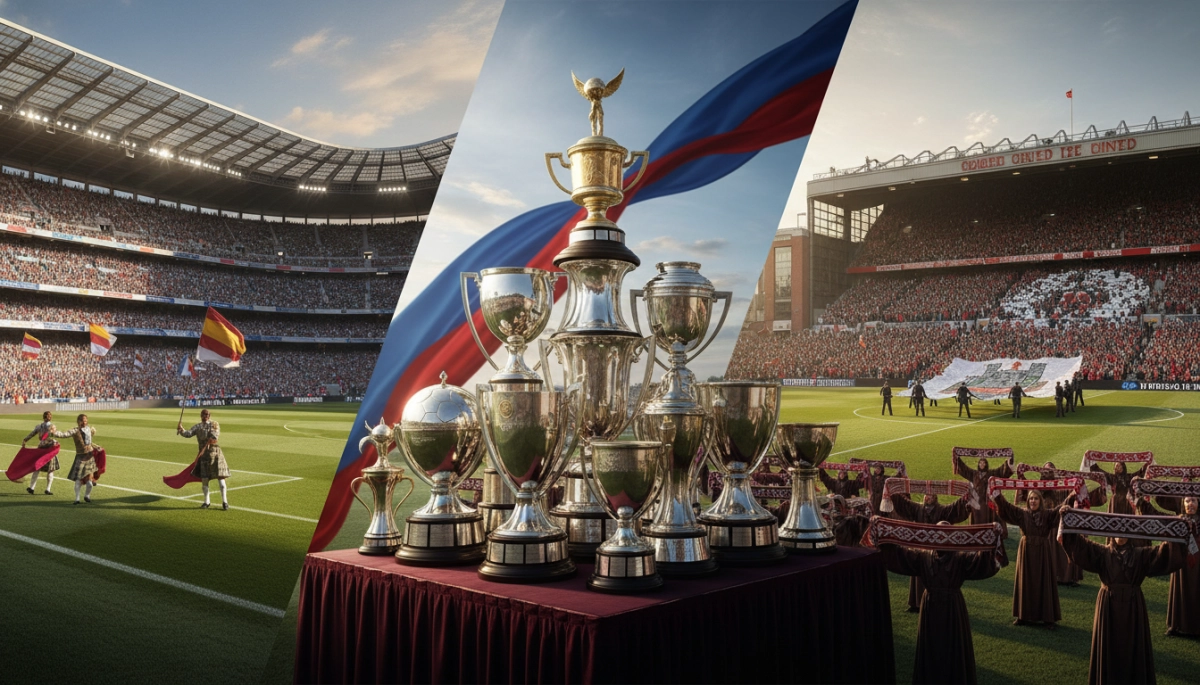
Understanding these clubs helps you appreciate football as a social phenomenon. Their significance is measured not only in trophies but in stadium atmosphere, youth development, community outreach, and brand reach. In this series, you’ll examine the physical spaces (stadiums), the silverware that marks success, and the traditions that bind supporters across generations.
Stadiums as living history: what you should notice
Stadiums act as the public face of a club. When you step into one — or even watch a broadcast — you’re encountering an environment shaped by architecture, acoustics, and ritual. Stadiums function as civic landmarks and revenue centers, but their deeper role is symbolic: they host rites of belonging that turn casual spectators into lifelong supporters.
Key stadium elements that shape your experience
- Design and sightlines: Historic bowl shapes or modern steep stands affect how you perceive the game and the intensity of the crowd noise.
- Capacity and scale: Larger stadiums create mass events and global broadcast appeal; smaller, compact grounds often produce a more intimate, intense atmosphere.
- Iconic corners and statues: Commemorative features—statues, murals, named stands—anchor club mythology and give you physical points of connection to past legends.
- Acoustics and fan choreography: How terraces amplify chants or coordinate displays (tifos) transforms matchday into a shared performance you participate in emotionally.
- Modern amenities vs. tradition: Redeveloped stadiums balance commercial needs (hospitality, corporate boxes) with preserving the rituals that fans cherish.
When you learn a club’s stadium story, you also trace broader historical arcs: municipal investment, wartime damage and rebuilding, commercial expansion, and debates over preservation versus redevelopment. These debates reveal how clubs negotiate identity and modernity, often reflecting the social and economic changes in their cities.
First glimpses of club legacies through architecture and fan culture
Some stadiums are referred to as “cathedrals” for a reason: they hold collective memory. By looking at the oldest stands, you can map when a club rose to prominence and how supporters expressed loyalty. You will notice that clubs with global brands invested early in touring, merchandising, and stadium modernization, while others retained a local, blue-collar identity that still defines their narrative.
In the next section, you’ll dive into the trophy cabinets and the defining rituals—from anthems to pre-match superstitions—that complete the picture of what makes these clubs truly famous.
Trophies as narrative anchors: how silverware shapes identity
Trophies are more than metal and marble; they are condensed histories that clubs—and their fans—use to tell stories about greatness, resilience, and belonging. A club’s trophy cabinet communicates eras: a run of domestic titles signals dominance in a particular generation, while continental success rewires a club’s status on the world stage. Think of Real Madrid’s European Cup haul, which is repeatedly invoked as proof of a continental DNA, or Bayern Munich’s Bundesliga consistency, which frames narratives of national stewardship and institutional stability.
How clubs display and deploy trophies matters. Museums and trophy rooms make accomplishments tangible, allowing supporters to perform pilgrimage-like visits and giving broadcasters ready-made symbols to frame commentary. Clubs also use trophies in recruitment and branding—highlight reels, anniversary campaigns, and stadium tours recycle silverware to connect past heroes to present ambitions. Conversely, long trophy droughts generate their own identity: they can foster narratives of underdog endurance, working-class pride, or the necessity of institutional reform.
Importantly, not all trophies are equal in the cultural ledger. Domestic cups often retain local emotional heft, especially when wins come against fierce rivals; continental trophies confer international pedigree. For many supporters, particular trophies become touchstones—first-ever league titles, landmark European nights, or cup finals won under extraordinary circumstances—anchoring collective memory and shaping chants, anniversaries, and even club statutes.
Rituals, anthems, and superstitions: the emotional grammar of fandom
Rituals translate a club’s history into present-tense feeling. Anthems—sung before kick-off, blasted over sound systems, or hummed in terraces—act as auditory logos. Liverpool’s You’ll Never Walk Alone is perhaps the most famous example: a communal invocation that turns a stadium into a single voice. Other clubs have their own musical identities, from Real Madrid’s Hala Madrid to Barcelona’s Cant del Barça; each anthem signals belonging and primes the emotional field for the match.
Matchday rituals extend beyond songs. Scarves are raised in unison, pre-match marches weave through city streets, and choreographed tifos paint stadiums with collective artistry. Ultras and supporter groups organize displays that can commemorate historical moments or send political messages—these performances are both spectacle and statement, encoding what the club means to its community.
Superstitions—individual and collective—are equally revealing. Players often adhere to pre-match routines; supporters avoid washing a shirt until a winning streak ends. Seat choices, pre-game walks past a statue, or visits to a club museum become private liturgies that reinforce hope and continuity. These practices, silly or solemn, create a shared emotional grammar that turns a sequence of matches into a narrative arc stretching across seasons and generations.
Passing down tradition: academies, local ties, and the global supporter
Tradition lives when it is transmitted. Youth academies, local supporter clubs, and family rituals are primary mechanisms for handing down identity. Clubs renowned for producing homegrown talent (La Masia at Barcelona, Ajax’s academy, Sporting CP’s graduates) not only shape on-field style but also strengthen the sense that the club is a cradle of community success. Young players who rise through the ranks become embodiments of continuity, linking past icons to future hope.
At the same time, globalization reshapes how traditions spread. International fan clubs, social media, and preseason tours transplant rituals into new cities, creating diasporic supporter networks that learn chants, wear replicas, and celebrate televised moments together. This diffusion can dilute some local practices but also revitalizes them: anniversaries and trophy celebrations now play out simultaneously in multiple time zones, allowing tradition to be both locally rooted and globally shared.
Ultimately, trophies, rituals, and institutions work together to keep clubs alive as cultural forces. They convert achievements into memory, music into identity, and local practice into global belonging—ensuring that famous clubs remain meaningful long after individual players have left the pitch.
Continuing the conversation
Famous football clubs are not static relics; they are ongoing projects shaped by matches, migrations, and memory. As fans, researchers, or casual observers, you participate in that project whenever you sing an anthem, visit a stadium, or debate a trophy’s significance. Those small acts keep club culture vital—and unpredictable. To deepen your understanding, consider attending a match, taking a stadium tour, or exploring club museums and official competition pages to see how history and present-day ambition intersect. For broader context on continental competitions and club histories, see UEFA.
Frequently Asked Questions
What makes a football club “famous” beyond winning trophies?
Fame combines on-field success with cultural reach: iconic stadiums, memorable rituals, strong youth academies, historical milestones, and a global supporter base all contribute. Media exposure and commercial activity amplify these features, but local identity and continuous storytelling are equally important.
Can I visit the stadiums and trophy rooms of top clubs?
Yes—many clubs offer stadium tours, museum visits, and matchday experiences. Availability and access levels vary by club and season, so check official club websites or authorized tour operators before planning a visit.
How do clubs maintain traditions across generations and international fan bases?
Traditions are passed through family practices, youth academies, supporter groups, and organized rituals (chants, marches, anniversaries). Globalization spreads these practices via international fan clubs, social media, and preseason tours, allowing local customs to be learned and practiced worldwide.