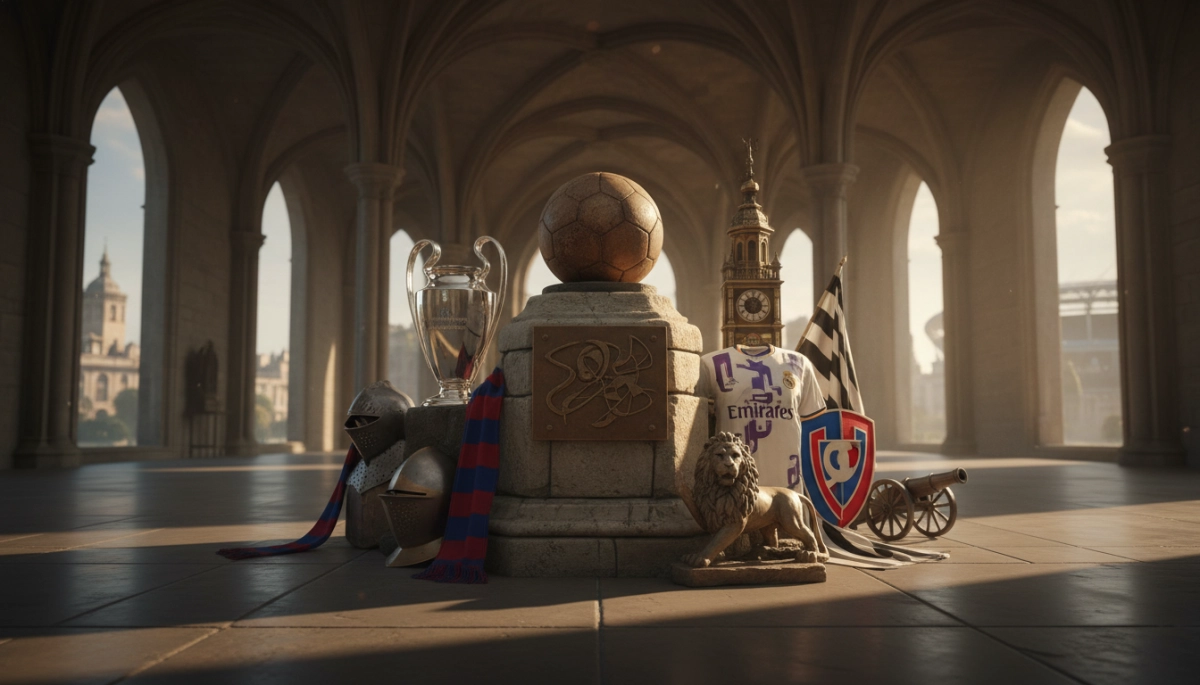
Why Europe’s football giants still matter to you
You may think of famous European clubs as simply current powerhouses on TV, but their significance runs deeper: they shaped the sport, local identities, and even modern club business models. When you follow Real Madrid, Bayern Munich, or Ajax, you are engaging with institutions that grew out of specific cities, cultures, and historical moments. Understanding those origins helps you appreciate why rivalries are so fierce, why certain tactical styles persist, and why fan traditions feel sacred.
This section gives you context for the clubs you’ll study: how early social conditions influenced formation, what success looked like in the pre-war era, and how early administrators and coaches set lasting foundations. You’ll also see how clubs moved from amateur roots to professional powerhouses — a process that still shapes transfer markets and stadium culture today.
How many legendary clubs began: social roots and early organization
From local clubs to national symbols
Most legendary European teams began as small, local organizations. You’ll find repeated patterns: a group of students, factory workers, or expatriates set up a club to play for leisure; a rapid accumulation of local support; and an early competitive success that propelled the club into national consciousness. For example:
- Real Madrid — Born in late 19th-century Madrid among football enthusiasts influenced by British expatriates, the club quickly became a national focal point through early domestic cups and later international triumphs.
- AC Milan — Founded by Englishmen in Italy, Milan combined local patronage with international influence, which helped the club adopt early professional standards.
- Ajax — Emerging from Amsterdam’s middle-class neighborhoods, Ajax focused on youth development and tactical innovation that paid dividends in the mid-20th century.
Early successes that defined reputations
You should note that early trophies and landmark matches often define a club’s identity for generations. Winning a first national championship, completing a historic cup upset, or staging an iconic derby victory granted legitimacy and expanded supporter bases. These foundational moments also attracted better players and more structured administration, transforming casual teams into organizations capable of sustained success.
Financial backing and stadium ownership were other decisive factors. Clubs that secured patronage from local businesses or municipalities could invest in training, scouting, and infrastructure sooner than rivals. In contrast, clubs rooted in working-class districts often drew broader, more passionate fanbases, which produced enduring cultural identities even when trophy hauls were irregular.
As you move into the next part, you’ll explore the specific early eras and landmark figures — players, managers, and administrators — who turned promising local clubs into the European giants you recognize today, and how their tactical and organizational choices shaped subsequent decades.
Landmark figures who rewrote club destinies
Throughout the 20th century, a relatively small number of managers, players and presidents produced seismic shifts in a club’s trajectory — and those shifts still define how fans see their teams. Think of Sir Matt Busby at Manchester United: his commitment to youth produced the “Busby Babes,” and after rebuilding from the 1958 Munich air disaster he led United to the 1968 European Cup, proving long-term planning could conquer tragedy. At Liverpool, Bill Shankly turned a provincial club into a national institution in the 1960s by professionalizing training, inspiring supporter culture, and insisting on community links that made the club part of the city’s identity.
Administrators mattered as much as coaches. Santiago Bernabéu transformed Real Madrid from a local club into a European institution — building a stadium, securing resources, and pushing for a continental competition that became the European Cup. Béla Guttmann’s Benfica of the early 1960s demonstrated how a charismatic coach and bold continental strategy could deliver back-to-back European titles, while also creating myths (and curses) that endure in club lore. These individuals did more than win trophies; they set recruiting standards, modernized training, and changed how clubs thought about legacy.
Tactical revolutions that became club DNA
Tactics are more than on-field systems; they become shorthand for a club’s identity. Ajax and the Netherlands under Rinus Michels and Johan Cruyff popularized “Total Football” in the late 1960s and early 1970s — a fluid, positional approach that fed Ajax’s youth policy and made the club a factory for technically gifted, multifunctional players. Barcelona later internalized that philosophy through Cruyff’s influence as coach and the institutionalization of ball possession and pressing at La Masia.
On the other end of the spectrum, Helenio Herrera’s Inter Milan perfected catenaccio in the 1960s, showing that defensive organization and tactical discipline could win European trophies. More recently, Arrigo Sacchi’s AC Milan in the late 1980s demonstrated how coordinated pressing, zonal marking and an aggressive backline could dominate both domestically and in Europe — a blueprint that influenced an entire generation of coaches. These tactical revolutions weren’t just short-term successes; they set recruitment priorities, youth coaching modules, and matchday rituals that made certain styles inseparable from particular clubs.
Institutions, infrastructure and the birth of modern club management
Winning on the pitch required changes off it. Clubs that invested early in infrastructure — stadiums, training centers, scouting networks — gained sustained advantages. Ajax’s De Toekomst and Barcelona’s La Masia institutionalized youth development, ensuring a steady flow of players schooled in a single philosophy. Clubs that owned or modernized stadiums could increase revenue and reinvest in scouting and coaching.
From the 1980s onward, commercial thinking accelerated the shift: television deals, sponsorships, and pan-European competitions turned clubs into global brands. UEFA’s rebranding of the European Cup into the Champions League in 1992 amplified TV income and raised the bar for club professionalism. Legal changes, most notably the 1995 Bosman ruling, reshaped the transfer market and forced clubs to refine scouting and contract strategies. The result is the modern club: a hybrid of sporting project and commercial enterprise that still rests on the early cultural choices made by managers and presidents. Understanding those institutional decisions shows you why a club’s identity survives through triumphs, crises and generational change — and why the legends you follow today were often built by a handful of decisive people and enduring systems.
Today, these institutions face fresh pressures—globalization, commercial demands, and regulatory shifts—but they also have new tools: data-driven scouting, global academies, and digital fan engagement that extend club cultures worldwide. Those forces will shape how the next generation remembers and reinterprets the great teams you’ve just read about.
Where the legends lead next
The stories of Europe’s legendary clubs are living ones: they continue to influence tactics, commerce, and community life while adapting to new realities. As you follow matches, signings, or youth prospects, consider how history still steers choices on and off the pitch. If you want to track continental competitions and see how past traditions meet modern formats, official resources such as UEFA showcase the tournaments that keep club legacies in motion.
Frequently Asked Questions
How did early social conditions shape the identities of major European clubs?
Most legendary clubs began within distinct social groups—students, workers, expatriates—which influenced their values, supporter culture, and recruiting. Clubs with working-class roots often developed intense local followings and community ties, while those founded by expatriates or merchants sometimes adopted early professional practices that affected long-term organization and style.
Which managers and administrators had the biggest impact on a club’s long-term trajectory?
Individuals who combined sporting vision with institutional change left the deepest marks. Examples include Sir Matt Busby rebuilding Manchester United with youth, Bill Shankly professionalizing Liverpool and linking it to the city, Santiago Bernabéu expanding Real Madrid’s infrastructure and continental ambitions, and Béla Guttmann’s tactical boldness at Benfica. These figures shaped recruitment, training, and club identity for decades.
Why do certain tactical styles remain associated with specific clubs?
Tactical systems persist when they are embedded in youth academies, scouting priorities, and coaching curricula. Ajax and Barcelona retained possession-focused philosophies by training players from the academy up, while clubs like Inter and AC Milan built long-term reputations around defensive organization or pressing by institutionalizing those methods in coaching and recruitment.