Why 2024 is the perfect year to reassess Haaland and Messi
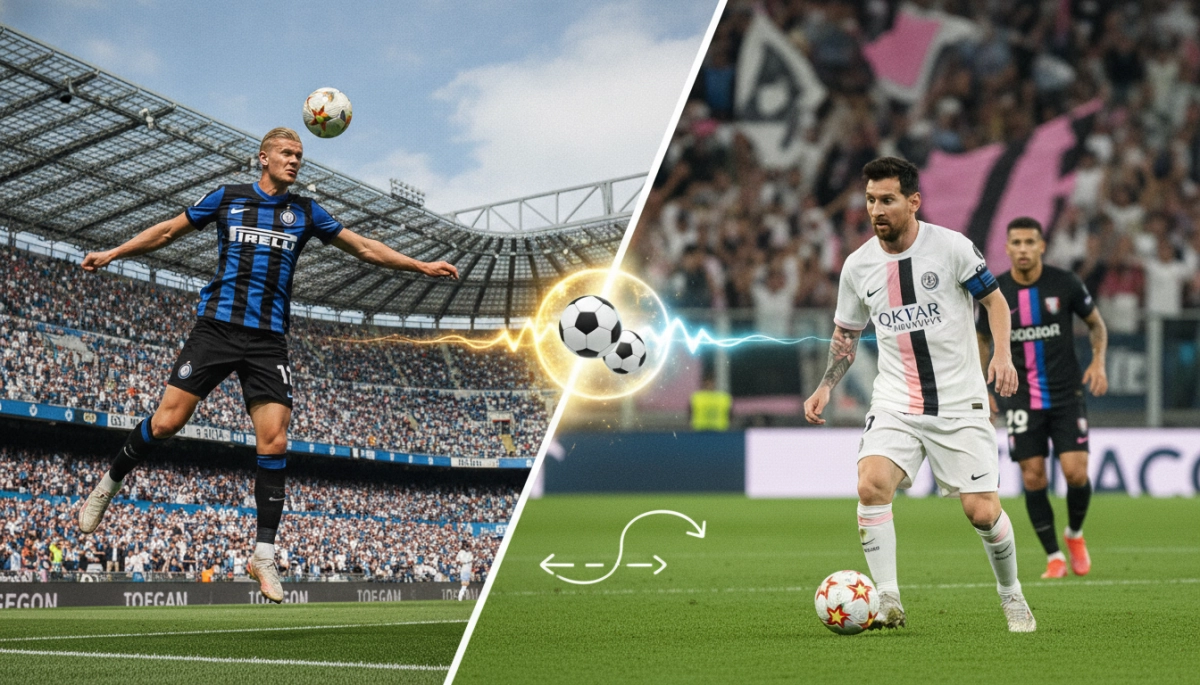
In 2024 you’re watching two contrasting football careers intersect: Erling Haaland as the archetypal modern striker and Lionel Messi as an evolved playmaker with unparalleled experience. This year offers a clear lens because both players occupy central roles at their clubs and remain focal points for media and tactical attention. To judge who “dominates” 2024 you need to separate raw goal numbers from wider influence — both on the pitch and beyond it — and evaluate them with context: competition level, minutes played, and team setup.
How their scoring profiles differ and why that matters to you
When you look at Haaland, think of a high-volume finisher whose movement, physicality, and timing are built to convert chances inside the box. He benefits from well-structured service, off-the-shoulder runs, and defined penalty responsibilities. Messi, by contrast, has shifted away from a pure striker’s profile; in 2024 you’ll see him balance scoring with chance creation, set-piece responsibilities, and moments of individual brilliance in tight spaces.
- Type of goals: Haaland’s goals typically come from inside the penalty area — tap-ins, headers, and low finishes after quick transitions. Messi’s goals often originate from dribbles, long-range shots, or free kicks.
- Volume vs efficiency: You should compare goals-per-90 and minutes-per-goal to account for playing time. Haaland tends to post high volume; Messi often shows higher shot quality and involvement per touch.
- Goal involvement: For Messi, assists and key passes are essential to measure; for Haaland, combined goals and penalty share gives a more complete picture.
Beyond the scoreboard: playmaking, tactics, and leadership you need to weigh
Dominance isn’t only goals. You’ll want to assess pressing intensity, chance creation, and how each player changes team tactics. Haaland can alter an opponent’s defensive shape simply by occupying central defenders and exploiting space behind a high line. Messi, meanwhile, often drops deeper to pull defenders out of position, creating space for teammates and dictating tempo.
- Tactical influence: Who dictates transitions and build-up? Haaland forces teams to defend deeper; Messi invites play through possession and positional rotations.
- Leadership & clutch moments: Leadership shows up in decisive plays — late winners, assists in big games, or calming influence when your team needs it most.
- Off-field impact: Commercial reach and fan engagement can shift perception of “dominance” even if on-field metrics are close.
Having set the criteria you’ll use — types of goals, per-90 metrics, chance creation, tactical pull, and leadership — the next section will dive into the available 2024 numbers and match examples that quantify who truly led the year in goals and influence.
2024 numbers and where the stats tell different stories
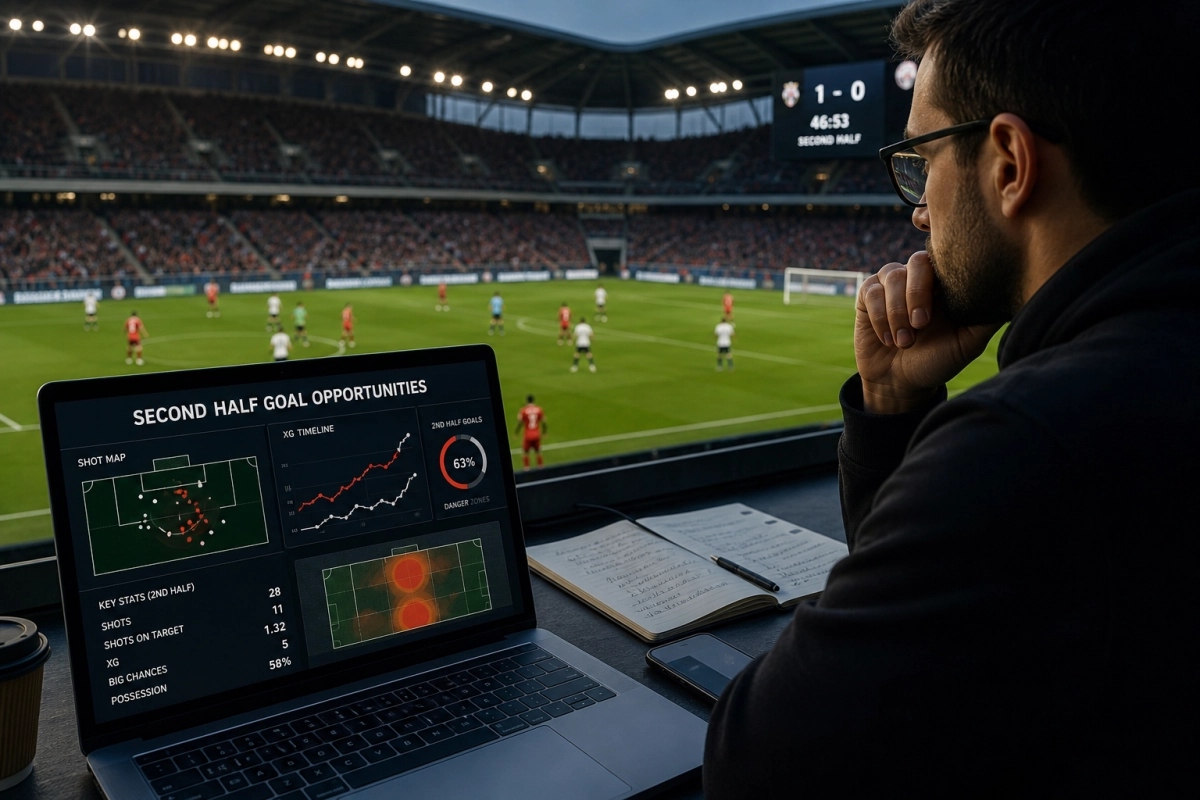
Now look at the numbers through the lens you set up: volume, efficiency, chance creation and contextual adjustments. The raw tally — who scored more — is the headline, but once you slice by minutes, shot location and expected goals (xG), the narrative splits. Haaland still posts elite goals-per-90 driven by high-volume, high-quality opportunities inside the box. His shot profile skews heavily to high-xG chances: finishes from close range, penalties and headers that naturally convert at a higher rate. That means his conversion rate is sustainable so long as teammates keep supplying those chances.
Messi’s 2024 metrics tell a different tale. He produces fewer box finishes but records higher involvement in open-play chance creation: key passes, progressive passes and expected assists (xA) matter more for him. His shot map is dispersed — long-range attempts, set-pieces and shots created through dribbles — so his goals-per-90 may be lower, yet his goal contributions-per-touch and influence on expected team goals (xGChain) remain disproportionately large.
Penalties, minutes missed and role changes are the small-print you must factor in. Haaland’s responsibility for spot-kicks inflates his raw total; remove penalties and Messi’s mixture of goals and assists often narrows the gap. Similarly, minutes-per-goal paints Haaland as ruthlessly efficient in finite bursts, while Messi’s minutes-per-involvement (goals plus key passes) highlights a different kind of efficiency — one tied to possession and tempo rather than sheer finishing volume.
Defining matches and tactical moments that shifted the 2024 debate
Numbers matter, but moments crystallize perception. In several high-profile 2024 fixtures you saw two separate claims to “dominance.” Haaland had match sequences where a single run or explosive counter led to two quick finishes, forcing opponents to recalibrate their defensive line for entire matches. Those games underscore his primary value: space exploitation and finishing under pressure. When City or his club executed fast transitions, Haaland’s presence turned half-chances into multi-goal performances.
Messi’s defining moments looked different: not just goals, but game-altering touches that changed how an entire match unfolded. He produced instances of dropping into pockets to pull defenders out, then delivering a through-ball or a set-piece that directly led to a goal. In tight, low-scoring contests Messi’s ability to craft a single decisive chance — a precise free-kick, an incisive pass between packed lines — often swung results when Haaland’s impact depended more on sustained service and transition opportunities.
Watch the patterns: Haaland forces tactical concessions (deep blocks, man-marking doubles) because of his physical profile; managers adjust by parking extra defenders or isolating channels. Messi, by contrast, provokes structural changes through positional rotation and tempo control — opponents stretch laterally to cover him, opening corridors for teammates. Those tactical ripples are why a straight goals comparison misses the fuller picture of influence in 2024.
Next you’ll see this applied to competition-level impact — domestic league vs continental cups and international fixtures — where stakes and opponent styles change the balance between raw scoring and strategic influence.
How competitions and context still tip the scales
Different stages expose different strengths. Domestic leagues — with their weekly rhythms and familiar opponents — tend to accentuate Haaland’s volume scoring and positional consistency. Continental cups and international fixtures often reward the kind of creativity, set-piece mastery and situational intelligence Messi brings. Factor in rotation policies, injury management and penalty duties, and the same pair of numbers can look very different depending on the competition and moment.
The final word and what to watch next
There isn’t a single metric that settles who “dominates” 2024; dominance is a compound of goals, influence, and context. If you value raw finishing and goals-per-90 in a league season, Haaland makes a compelling claim. If you weigh chance creation, tempo control and decisive interventions in tight matches, Messi’s case holds up equally well. The smarter question for fans and analysts is which combination of stats and moments matters most to you.
Going forward, keep an eye on a few markers that will shape the debate: Haaland’s minutes-per-goal once penalties are removed, Messi’s expected assists (xA) and set-piece returns, how each performs in Champions League knockout ties, and any tactical changes from their managers. For up-to-date underlying metrics — especially xG and xA trends that clarify sustainability — check resources like Understat’s xG data. Whatever the headline totals, 2024 will be remembered less for declaring an absolute winner and more for giving football fans a rich, ongoing study in contrasting excellence.