Why football rivalries grip you: more than just a game
You probably know the feeling: a fixture on the calendar makes your week, colors and chants trigger deep loyalties, and a win against the team you loathe tastes sweeter than any ordinary victory. Rivalries aren’t accidental. They’re cultural engines that turn Saturday afternoons into identity-defining moments. In this section you’ll learn how rivalries form and why they continue to matter beyond the ninety minutes on the pitch.
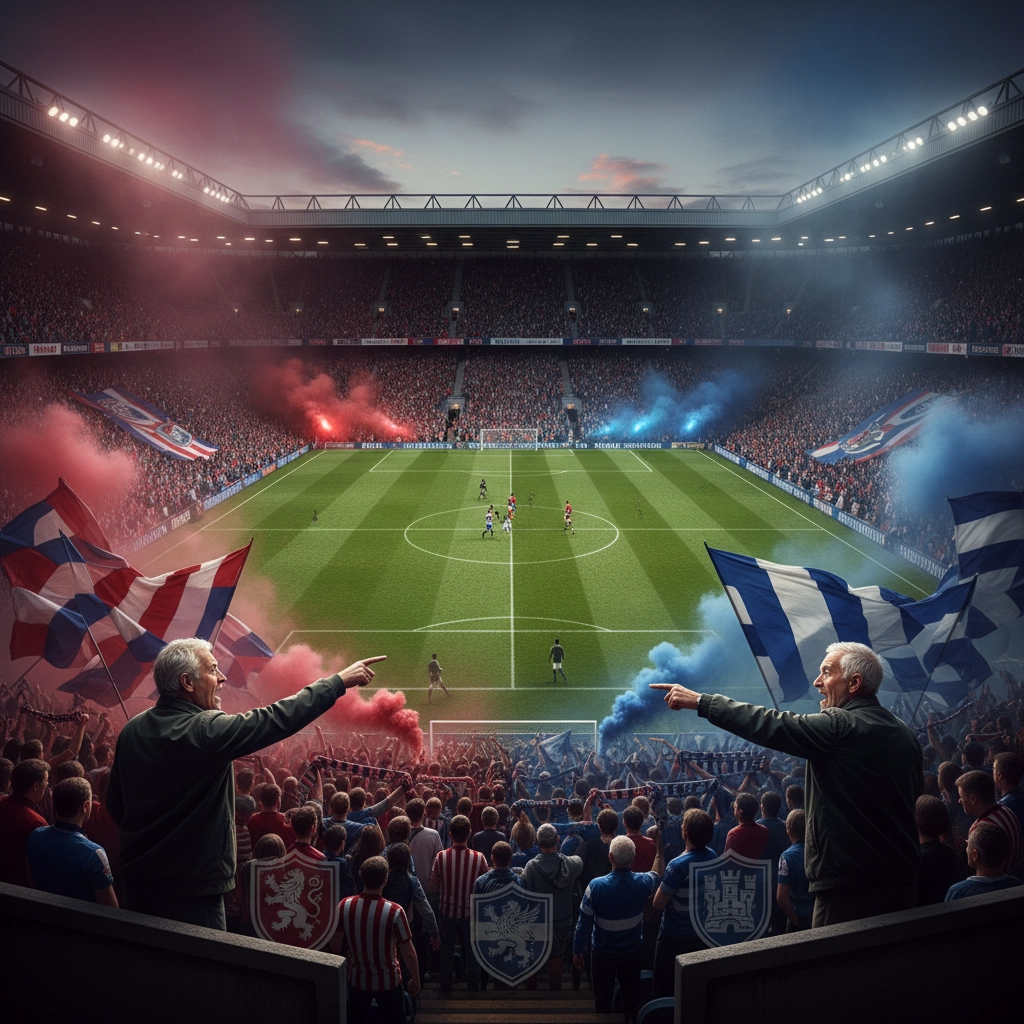
At their core, rivalries give you a narrative—us versus them—that ties your sense of belonging to a geographic place, class background, religious affiliation, political stance, or shared history. That narrative makes each match a symbol of something larger: neighborhood pride, social mobility, or resistance. Understanding those roots helps you see why hatred can feel justified to generations of supporters.
Roots of hostility: how early social forces and events created lasting feuds
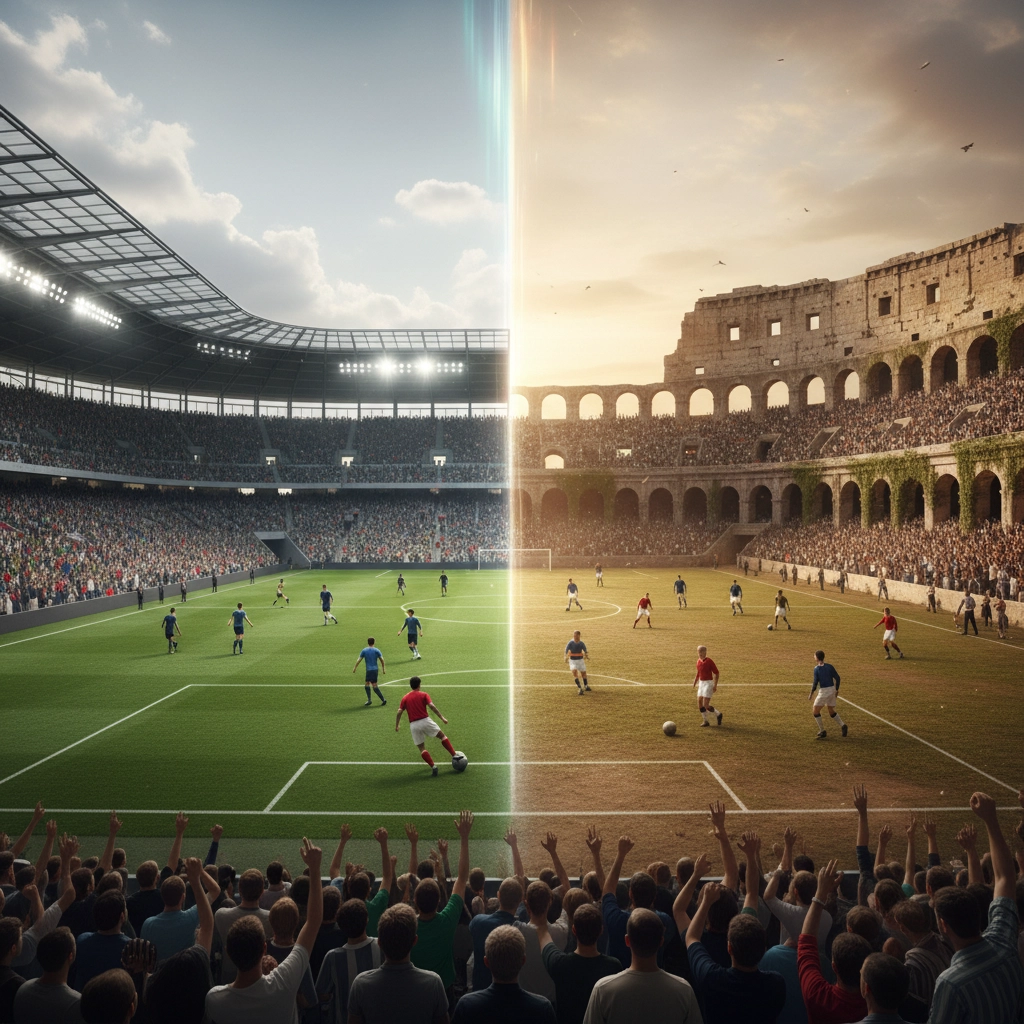
Many historic rivalries began long before professional football had global reach. In factories, pubs and tram depots, communities formed clubs that represented more than sporting ambition. When economic competition, religious sectarianism, or local politics were already tense, football provided a new public arena where those tensions could play out openly. You need to look at three recurring triggers to understand the early phases of most feuds:
Common sparks that turned matches into feuds
- Local identity and geography: You’re more likely to adopt intense loyalty when a rival club is from the same town or an adjacent borough. Proximity breeds frequent encounters—on the street, in the workplace and at the ground—making slights multiply quickly.
- Class and occupation: Early clubs often represented social classes or trades. When one working-class community faced off against another with different social aspirations, football became a proxy battlefield for class resentment.
- Religion and politics: Where religious divisions or political loyalties were strong, clubs reflected and amplified those divides. Matches could become ritualized contests of identity rather than mere sport.
- Momentous matches and incidents: Early controversial decisions, violence at games, or one-sided transfers of star players often crystallized animosity into something lasting.
To make this concrete, consider a few familiar examples you’ve likely heard of: a city split down the middle by two clubs with different founding communities; a derby where a disputed referee call in a cup tie led to pitched battles; or a rivalry born when economic migrants from one area joined another club, intensifying local competition. Those early moments set expectations for future generations—boys and girls inherit the stories you grew up hearing, and the feud becomes a rite of passage.
By studying these origins, you’ll see that hatred in football isn’t random: it’s taught, rehearsed and institutionalized through rituals, songs and commemorations. Next, you’ll explore the defining matches, players and flashpoints that escalated these rivalries from local resentment to enduring hatred on and off the pitch.
Flashpoints on the pitch: matches that hardened the hatred
Rivalries crystallize most visibly in certain fixtures—games so charged that they become reference points for decades. These matches often share a pattern: high stakes, controversial decisions, or an unexpected upset that rewrites bragging rights. A last-minute penalty in a cup tie. A relegation-decider where one side’s victory consigns the other to disaster. A one-sided humiliation that shames a whole neighbourhood. Those moments are replayed in pubs and on social feeds until they become myth.
What makes a single game durable is how it’s narrated afterwards. A disputed referee call becomes evidence of institutional bias. A harsh tackle becomes proof of malicious intent across generations. When players react emotionally—pitch invasions, physical confrontations, or theatrical sendings-off—those images are intoxicating fuel for folklore. The result: every subsequent meeting is read through that lens. New incidents aren’t isolated events; they’re confirmations of an established story.
Icons, betrayals and the transfer sagas that inflamed feeling
Individuals can take a rivalry from civic friction to personal vendetta. A homegrown hero who joins the enemy, a manager who taunts his old club, a striker who celebrates obnoxiously after scoring—those acts personalise the feud. Supporters invest players with symbolic meaning; when those figures switch allegiances or align with perceived enemies, it feels like a betrayal of identity rather than a career move.
Transfer sagas are especially potent. The paying of a fee or the waving of scarves at a new club becomes a ritual humiliation that echoes in chants for years. Conversely, an iconic performance in a derby—an outrageous goal, a last-minute save—locks a player into the rival’s memory as an antagonist. These human dramas produce clear villains and saints, which is why chants and murals so often revolve around named individuals rather than abstract club policy.
How modern forces rewired old rivalries
Rivalries are not frozen in time; the modern era has reshaped them. Television and social media amplify every flashpoint, turning local aggravations into national or international spectacles. A small incident in a terrace can be stretched across platforms, edited into replays, meme-ified and weaponised by rival fans. That pace of amplification hardens narratives faster than generations once did.
Globalisation also complicates things. Clubs now carry diasporic communities and international supporters who inherit local grudges remotely. At the same time, policing strategies and stadium redevelopments have reduced some forms of direct confrontation, pushing antagonism into online spaces where anonymity sharpens rhetoric. Commercial deals and branding can ease certain resentments—shared sponsors or cross-border partnerships—but they often coexist uneasily with the more visceral, territorial elements of rivalry.
Taken together, these on-pitch flashpoints, personal dramas and modern accelerants explain why some rivalries persist and even intensify. They are stories you pass on: simplified, sensational and emotionally resonant, and that is what keeps the hate alive.
Rivalries are living things: they change, mutate and travel with the people who carry them. If you want to keep the contest meaningful without letting it corrode the community, focus on the rituals that build identity—songs, stories, shared history—while clearly rejecting the behaviours that cause harm. Clubs, supporter groups and local authorities can promote commemorations, fan education and safe matchday practices so that passion remains cultural energy rather than a public risk.
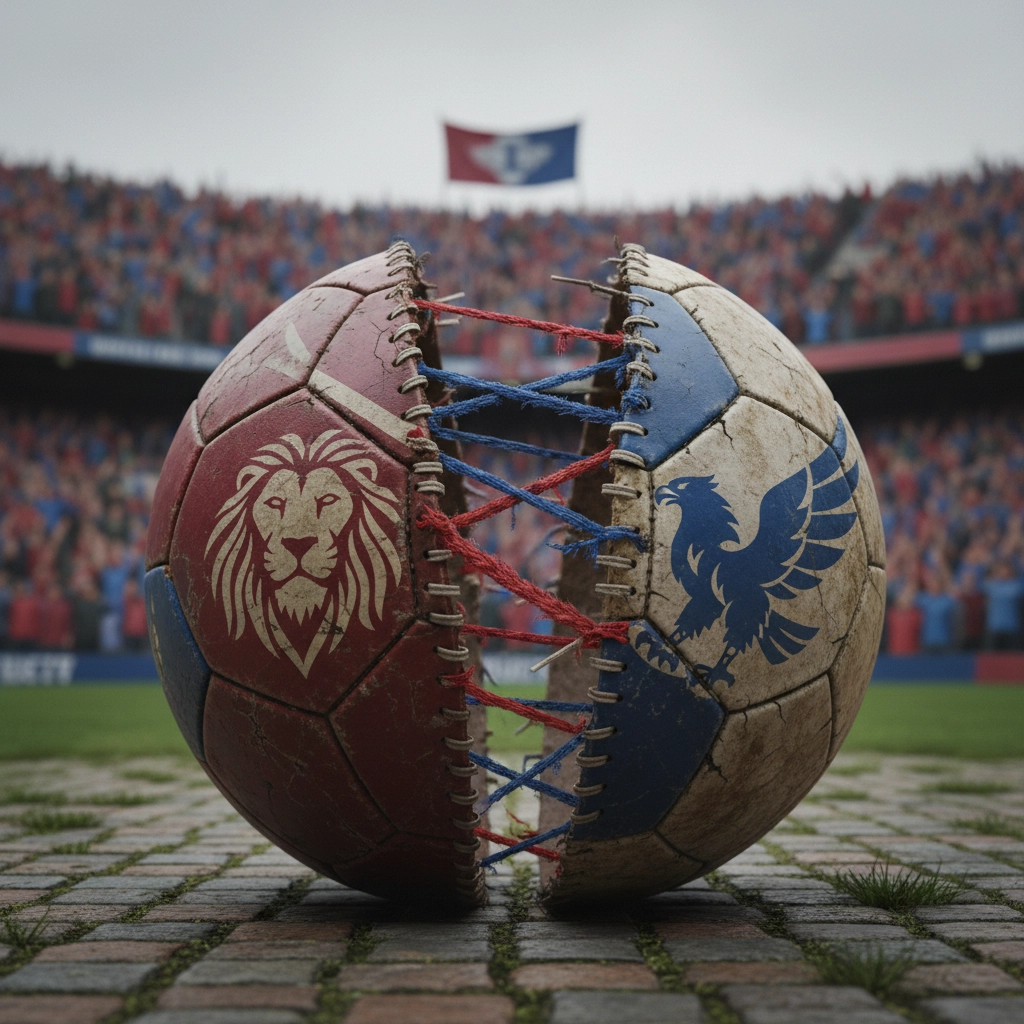
Carrying the rivalry forward
Rivalries will outlast players, managers and even stadiums. What matters next is how those narratives are stewarded. Passion and loyalty are central to football’s appeal, but they can coexist with respect and safety when clubs and fans make intentional choices. For practical examples of campaigns that try to channel enthusiasm constructively, see FIFA’s fair play initiatives.
Ultimately, the stories behind the hate are also stories of belonging, memory and identity. Keep the folklore alive, hold players and institutions accountable when lines are crossed, and encourage a culture where rivalry sharpens the competition without dulling our common humanity.
Frequently Asked Questions
How do most historic football rivalries begin?
They usually start from local social factors—geography, class, religion or workplace ties—and are intensified by specific incidents (controversial matches, transfers, or violent confrontations). Over time those moments are retold and ritualised, creating a sustained us-versus-them identity.
Can rivalries be kept intense without becoming dangerous?
Yes. Many clubs and supporter groups manage intense rivalries through fan education, clear stadium rules, segregated travel arrangements and community programmes that promote respect. Policing and infrastructure changes also reduce on-pitch and off-pitch violence, though cultural work among fans is equally important.
Has modern media made rivalries worse?
Modern media amplifies every flashpoint—television, social platforms and memes can harden narratives quickly and spread local grudges globally. That intensification can inflame tensions, but it also creates opportunities for broader dialogues about sportsmanship and for organisers to communicate positive messages to large audiences.