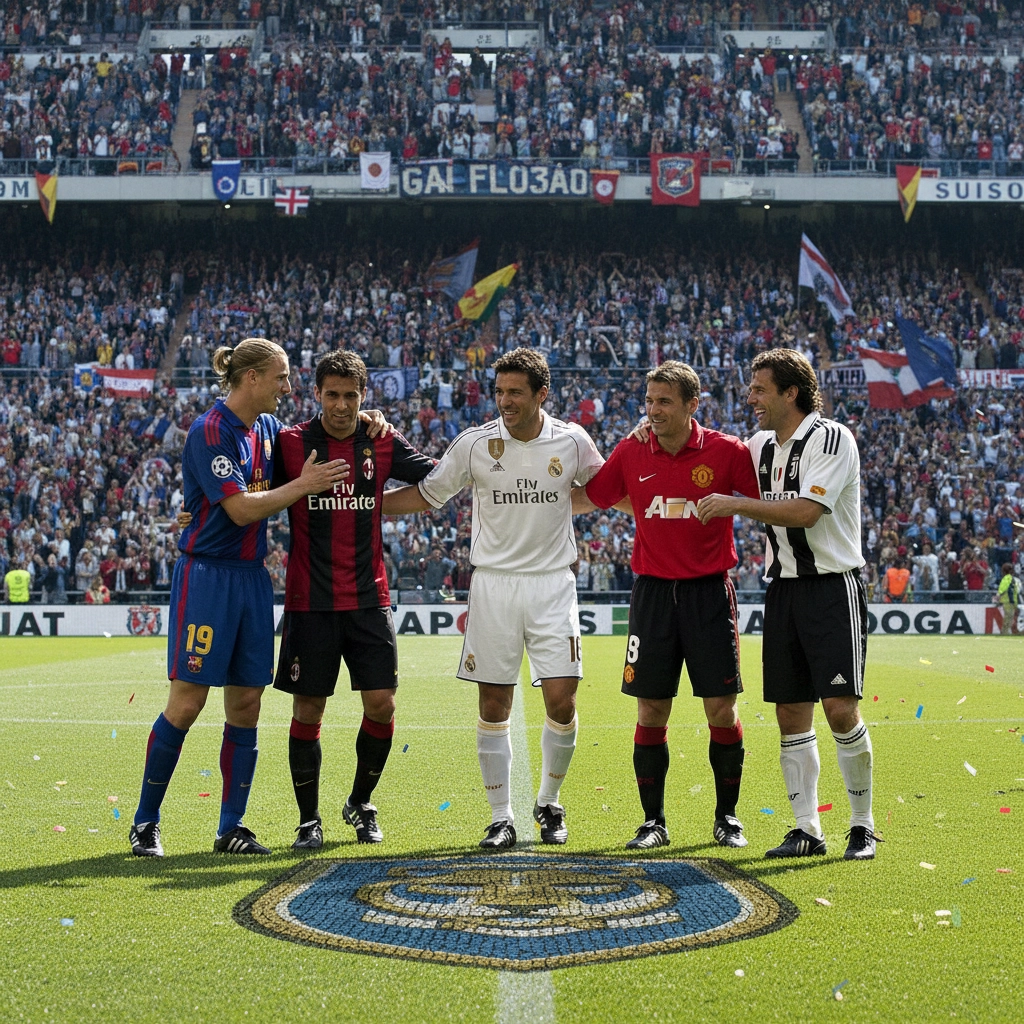
Why historic club rivalries define football’s passion
You probably feel that football is more than tactics and trophies — it’s identity, history, and emotion compressed into 90 minutes. Historic club rivalries are the matches where those elements collide. When you watch a derby or a long-standing feud, you’re seeing decades of social context, memorable moments, and collective memory played out on the pitch. Understanding how these rivalries formed helps you appreciate why certain fixtures remain must-see events for fans worldwide.
Origins and early sparks: how rivalries were forged
Rivalries rarely begin with a single headline. Instead, they grow from recurring contests, geographic proximity, class differences, political divides, or even a handful of contentious games that become folklore. When you examine the roots of famous rivalries, patterns emerge: the proximity of clubs, the stakes in early competitions, and off-field disputes that magnified on-field results.
Local pride, politics, and social context
Many of the fiercest rivalries started as expressions of local identity. Clubs formed in neighboring districts naturally competed for fans, resources, and local bragging rights. In some cases, politics and religion intensified competition. When you look at rivalries such as Celtic vs Rangers or Boca Juniors vs River Plate, you see how sectarian, class, or national narratives became woven into matchday atmospheres, elevating simple contests into symbolic battles.
Early matches that set the tone
Certain early encounters acted as catalysts. These matches often featured controversial refereeing decisions, dramatic comebacks, or significant trophies that created enduring grudges. Below are early, defining encounters that helped establish rivalries you may already know.
- Celtic vs Rangers (Old Firm): Late 19th-century meetings in Glasgow were about more than football — they reflected religious and cultural divisions. Early Scottish Cup and league clashes in the 1890s carried an intensity that shaped the fixture’s identity for generations.
- Real Madrid vs Barcelona (El Clásico): Political undercurrents of Spanish regionalism magnified early 20th-century encounters. Matches during the 1920s and the civil war era hardened the rivalry into a national spectacle.
- Manchester United vs Liverpool: Industrial rivalry between Manchester and Liverpool cities fueled early 20th-century contests. League title battles and cup ties in the 1920s–1950s created a competitive edge that endures.
- Boca Juniors vs River Plate (Superclásico): Starting in the early 1900s, neighborhood rivalry in Buenos Aires soon became a class and cultural flashpoint, with early cup matches igniting a century-long feud.
As you track these early flashpoints, you begin to see how specific matches, social dynamics, and repeated high-stakes meetings transformed routine fixtures into legendary rivalries. The next section will take you match-by-match through the greatest encounters — the games that crystallized reputations, flipped titles, and entered football lore.
Memorable matches that shaped these rivalries
- Early Old Firm cup ties that turned local religious and cultural tensions into enduring spectacle.
- El Clásico clashes during politically charged eras in Spain that turned football fixtures into symbolic showdowns.
- Title-deciding league battles between Manchester United and Liverpool that amplified an industrial-city rivalry across decades.
- Superclásico cup fixtures in Buenos Aires where neighborhood pride and social divides propelled the fixture into global notoriety.
- Single matches that featured controversial decisions, dramatic comebacks, or trophy drama — the kind that enter supporters’ folklore and get replayed for generations.
The living legacy of rivalry
Rivalries are not static museum pieces; they evolve as clubs, cities and societies change. They persist because each new generation adds chapters — a dramatic goal, a heated transfer, or a season-defining result — which get woven into the wider narrative. Whether you follow for the tactics, the atmosphere, or the history, these fixtures offer a concentrated, emotional experience unique to football. To explore contemporary coverage and archival highlights, check resources like BBC Sport Football.
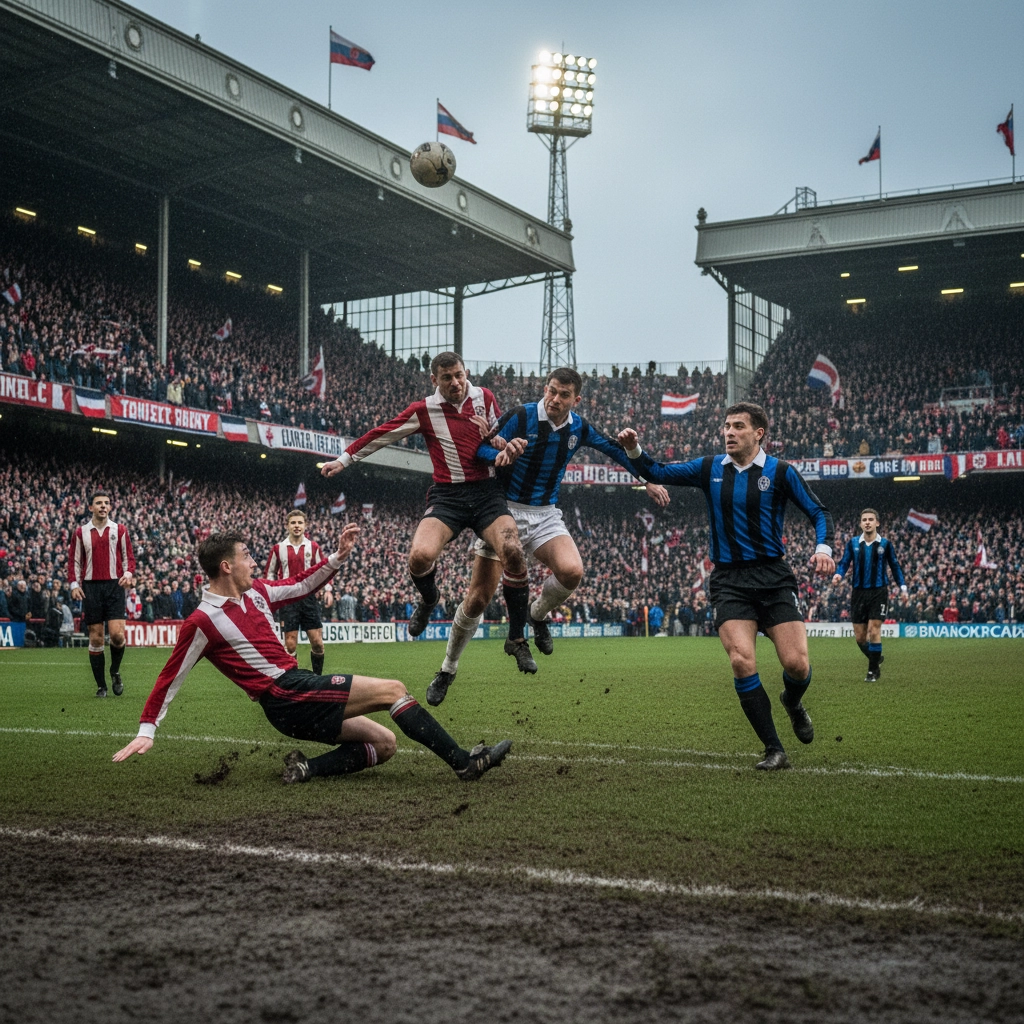
Frequently Asked Questions
What typically creates a historic football rivalry?
Rivalries usually form from a mix of factors: geographic proximity, repeated high-stakes encounters, social or political differences between fan bases, and a few highly charged early matches that become legend. Over time, these elements compound as stories and memories are passed down among supporters.
Which club rivalries are commonly seen as the most intense worldwide?
Some of the most widely recognized intense rivalries include Celtic vs Rangers (Old Firm), Real Madrid vs Barcelona (El Clásico), Manchester United vs Liverpool, and Boca Juniors vs River Plate (Superclásico). Each has deep historical, cultural, or regional underpinnings that amplify the matches beyond sport.
How can a neutral fan best appreciate derby matches responsibly?
Start by reading the historical context to understand what’s at stake for each side, watch classic encounters to see how narratives developed, and attend with respect for local customs. Prioritize safety, avoid provocative behavior, and focus on the football and the atmosphere rather than taking sides in heated moments.
Why historic club rivalries define football’s passion
You probably feel that football is more than tactics and trophies — it’s identity, history, and emotion compressed into 90 minutes. Historic club rivalries are the matches where those elements collide. When you watch a derby or a long-standing feud, you’re seeing decades of social context, memorable moments, and collective memory played out on the pitch. Understanding how these rivalries formed helps you appreciate why certain fixtures remain must-see events for fans worldwide.
Origins and early sparks: how rivalries were forged
Rivalries rarely begin with a single headline. Instead, they grow from recurring contests, geographic proximity, class differences, political divides, or even a handful of contentious games that become folklore. When you examine the roots of famous rivalries, patterns emerge: the proximity of clubs, the stakes in early competitions, and off-field disputes that magnified on-field results.
Local pride, politics, and social context
Many of the fiercest rivalries started as expressions of local identity. Clubs formed in neighboring districts naturally competed for fans, resources, and local bragging rights. In some cases, politics and religion intensified competition. When you look at rivalries such as Celtic vs Rangers or Boca Juniors vs River Plate, you see how sectarian, class, or national narratives became woven into matchday atmospheres, elevating simple contests into symbolic battles.
Early matches that set the tone
Certain early encounters acted as catalysts. These matches often featured controversial refereeing decisions, dramatic comebacks, or significant trophies that created enduring grudges. Below are early, defining encounters that helped establish rivalries you may already know.
- Celtic vs Rangers (Old Firm): Late 19th-century meetings in Glasgow were about more than football — they reflected religious and cultural divisions. Early Scottish Cup and league clashes in the 1890s carried an intensity that shaped the fixture’s identity for generations.
- Real Madrid vs Barcelona (El Clásico): Political undercurrents of Spanish regionalism magnified early 20th-century encounters. Matches during the 1920s and the civil war era hardened the rivalry into a national spectacle.
- Manchester United vs Liverpool: Industrial rivalry between Manchester and Liverpool cities fueled early 20th-century contests. League title battles and cup ties in the 1920s–1950s created a competitive edge that endures.
- Boca Juniors vs River Plate (Superclásico): Starting in the early 1900s, neighborhood rivalry in Buenos Aires soon became a class and cultural flashpoint, with early cup matches igniting a century-long feud.
As you track these early flashpoints, you begin to see how specific matches, social dynamics, and repeated high-stakes meetings transformed routine fixtures into legendary rivalries. The next section will take you match-by-match through the greatest encounters — the games that crystallized reputations, flipped titles, and entered football lore.

Memorable matches that shaped these rivalries
- Early Old Firm cup ties that turned local religious and cultural tensions into enduring spectacle.
- El Clásico clashes during politically charged eras in Spain that turned football fixtures into symbolic showdowns.
- Title-deciding league battles between Manchester United and Liverpool that amplified an industrial-city rivalry across decades.
- Superclásico cup fixtures in Buenos Aires where neighborhood pride and social divides propelled the fixture into global notoriety.
- Single matches that featured controversial decisions, dramatic comebacks, or trophy drama — the kind that enter supporters’ folklore and get replayed for generations.
The living legacy of rivalry
Rivalries are not static museum pieces; they evolve as clubs, cities and societies change. They persist because each new generation adds chapters — a dramatic goal, a heated transfer, or a season-defining result — which get woven into the wider narrative. Whether you follow for the tactics, the atmosphere, or the history, these fixtures offer a concentrated, emotional experience unique to football. To explore contemporary coverage and archival highlights, check resources like BBC Sport Football.
Frequently Asked Questions
What typically creates a historic football rivalry?
Rivalries usually form from a mix of factors: geographic proximity, repeated high-stakes encounters, social or political differences between fan bases, and a few highly charged early matches that become legend. Over time, these elements compound as stories and memories are passed down among supporters.
Which club rivalries are commonly seen as the most intense worldwide?
Some of the most widely recognized intense rivalries include Celtic vs Rangers (Old Firm), Real Madrid vs Barcelona (El Clásico), Manchester United vs Liverpool, and Boca Juniors vs River Plate (Superclásico). Each has deep historical, cultural, or regional underpinnings that amplify the matches beyond sport.
How can a neutral fan best appreciate derby matches responsibly?
Start by reading the historical context to understand what’s at stake for each side, watch classic encounters to see how narratives developed, and attend with respect for local customs. Prioritize safety, avoid provocative behavior, and focus on the football and the atmosphere rather than taking sides in heated moments.
Rivalries in the modern era: television, transfers and social media
Today’s rivalries are shaped as much by broadcast rights, commercial interests, and global fanbases as by local histories. Televised matches bring derbies to a world audience, amplifying moments and turning local controversies into internationally discussed events. Social media accelerates narrative-building: a single player’s remark or an image from the stands can become the next chapter in a feud within hours. Meanwhile, high-profile transfers and managerial moves — players switching between rivals or controversial signings — continue to inflame passions and create fresh storylines.
How clubs, authorities and fans try to manage intensity
As competition and attention increase, so does the need for stewardship. Clubs, supporter groups and police work on measures to reduce violence and make matchdays safer: segregated travel plans, fan liaison officers, pre-match campaigns promoting respect, and community outreach programs that highlight shared values. Many clubs also run joint initiatives in schools and neighborhoods to remind rival fans of common ground beyond 90 minutes.
Practical tips for attending a derby
- Buy tickets only from official club channels and keep travel plans discreet to avoid disruptions.
- Dress neutrally if you’re a visiting neutral or unsure of local tensions — visible rival colors can attract attention.
- Arrive early, follow steward and police guidance, and stay in designated areas to reduce risk.
- Respect local chants and customs but avoid provocative gestures or language that escalate conflict.
- Capture the atmosphere but be mindful of photography rules and other fans’ privacy.
Ultimately, historic rivalries remain central to football because they combine identity, memory and spectacle. When cared for responsibly, they provide some of the game’s most unforgettable moments while reflecting broader social stories that stretch far beyond the pitch.