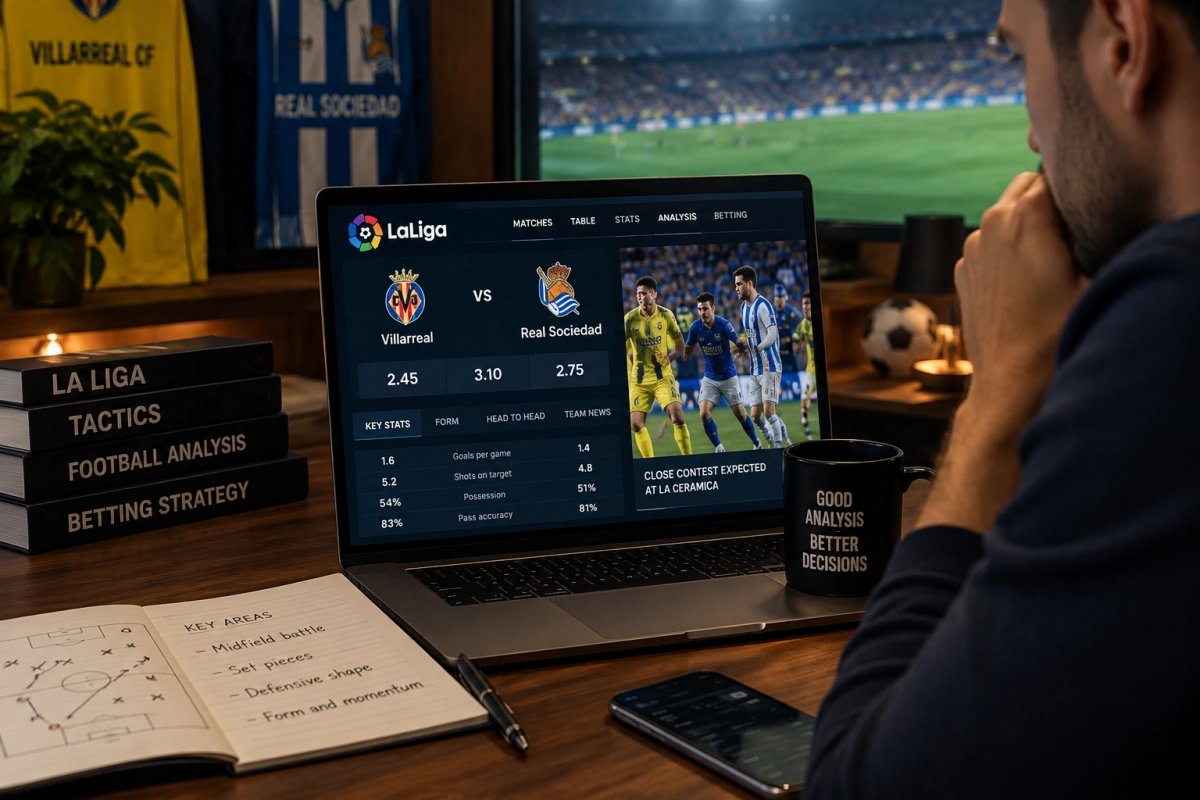
How to spot second‑half goal opportunities in soccer betting
Why targeting late goals makes sense for in‑play markets
Matches often change after the interval: managers react, players tire and risk profiles shift. Those dynamics create edges in in‑play markets such as over/under (total goals), both teams to score (BTTS) and Asian handicap. Focusing on the second half lets you trade clearer patterns (substitutions, fatigue, tactical shifts) in shorter windows where probability can diverge from market pricing.
Quick betting term refresh
- Over/Under (Total Goals): Bet on whether match goals exceed a set line (e.g., Over 1.5).
- Both Teams to Score (BTTS): Both sides score at least once.
- Asian Handicap: Goal margin market that evens mismatches; useful for backing a team expected to push late.
Pre-match and first-half indicators that suggest late goals
Good second‑half reads begin before kickoff. Track patterns across matches to shortlist games likely to open up late.
Team tendencies and form
- Frequent late goals in recent games (look over 6–12 matches).
- Home/away differences: some teams press late at home; others sit back.
- Head‑to‑head styles that historically produce late openings.
Squad depth, injuries and fatigue
Fatigue and personnel gaps drive late concessions. Watch for short rest periods, key defensive absences, and young or thin benches that struggle to hold intensity.
Tactical shifts and substitution patterns
Identify coaches who commonly make late attacking substitutions or switch to more aggressive shapes after 60′. Those patterns increase second‑half goal probability.
With these pre‑match and early‑game indicators, you can translate signals into market choices and timing for in‑play bets.
Live‑match checklist: what to watch after halftime
Between 55′ and 75′ is the prime decision window. Monitor these real‑time cues:
- Scoreline & momentum — trailing teams pushing or sustained attacking sequences indicate rising goal chances.
- Substitution impact — attacking subs for defensive players are a clear uptick signal.
- Fatigue — slowed recovery runs, missed tackles and positional lapses increase conceding risk.
- Set‑piece frequency — multiple late corners/free‑kicks inside the box are high‑value indicators.
- Referee behaviour — lenient refs can allow rougher play and quick counters; card‑happy refs can suppress aggressive tackles.
- Short‑term xG & shot quality — rising xG over 15–20 minutes often precedes goals.
- Opponent bench use — a side that has used most subs and looks tired is likelier to concede.
Reading in‑play odds and timing your stakes
Odds reflect events and liquidity — your job is to spot value relative to the match state.
- Convert odds to implied probability — if market probability is lower than your read, you may have value.
- Watch drift and squeeze — a meaningful drift after sustained pressure can signal value; sudden compression without events may indicate informed money.
- Use short windows — place bets immediately after clear signals (attacking sub, sustained pressure, penalty) rather than on isolated speculative shots.
- Prefer micro‑markets — “Next Goal”, “Next 10 Minutes Over/Under” or team‑specific Next Goal markets often offer better edge late on.
- Manage cashouts — avoid emotional hedges; only hedge if the market removes value or your risk limits demand it.
Practical staking setups for Over/Under, BTTS and Asian handicap
Match your read to a disciplined stake plan. Examples below map common scenarios to practical actions.
- 0‑0 at 60′ with both teams pushing — small–medium stake on Next Goal (Over 0.5) or BTTS Yes; ladder into Over 1.5 if pressure and xG persist.
- Favorite 1‑0 up but dominating — back Favorite Asian Handicap −0.5 or Next Goal to Favorite with conservative sizing; avoid large overs without clear shot quality.
- Underdog chasing with fresh attackers — consider BTTS or layered Over 1.5 (small initial stake, add if corners/xG rise).
- Stake sizing — use bands: low 1–2% bankroll, medium 3–4%, high 5–6%; reduce when markets are thin or volatile.
- Combining & hedging — combine complementary micro‑markets for better odds and set predefined hedge points to lock profit if needed.
Worked examples and a compact decision flow
Example 1 — 0‑0 at 65′, both teams pressing
- Observations: Multiple corners, home brings on a striker, away full‑back tiring.
- Market: Next Goal ~1.80; BTTS ~2.20; Match Over 1.5 ~2.50.
- Action: Small–medium stake (≈3%) on Next Goal; add a smaller ladder into Over 1.5 if xG/corners remain high by 75′.
Example 2 — Favorite 1‑0 up at 70′ but dominating possession
- Observations: Dominant possession, trailing side used all subs and looks stretched.
- Market: Favorite AH −0.5 ~1.90; Favorite Next Goal ~1.60.
- Action: Conservative stake (2–3%) on Favorite AH or Next Goal; avoid larger overs until clearer shot quality appears.
Example 3 — Underdog chasing 0‑1 at 78′ with fresh attackers
- Observations: Two forwards introduced, many corners, home tiring.
- Market: BTTS ~1.70; Underdog Next Goal ~2.40; Over 1.5 last 15′ ~1.95.
- Action: Layered plan — small targeted stake on Underdog Next Goal plus medium on BTTS; predefine hedge points if momentum reverses.
Decision flow (quick checklist)
- Pre‑match/first half: flag teams with late‑goal tendencies, thin benches or attacking coaches.
- Halftime: confirm lineups, injuries and pin matches to watch after 55′.
- 55’–75′: if attacking subs or rising set‑pieces → consider Next Goal/Next 10–15 min Over/BTTS; if one side dominates with fresh attackers → consider Asian Handicap or team Next Goal.
- If no clear signals or markets are thin → stand aside.
- Odds & stakes: convert odds to implied probability; only bet when your probability exceeds the market margin; adhere to stake bands and preset exposure limits.
- Execution: act immediately after triggers, watch confirming minutes, and use predefined hedges or cash‑out rules to protect profits.
- Post‑match: record outcomes and misreads to refine future selections.
Putting disciplined practice into play
Successful second‑half betting is less about finding fairy‑tale signals and more about consistent, disciplined application of the checklist, stake plan and post‑match learning. Treat each in‑play decision as a controlled experiment: bet small when testing new indicators, keep precise records, and iterate your process based on outcomes rather than short‑term emotions. Respect market liquidity, protect bankroll with clear stake limits, and focus on a manageable set of leagues and coaches so your read‑rate improves over time. With repetition and disciplined risk management, the patterns and edges described here become actionable strengths rather than occasional luck.