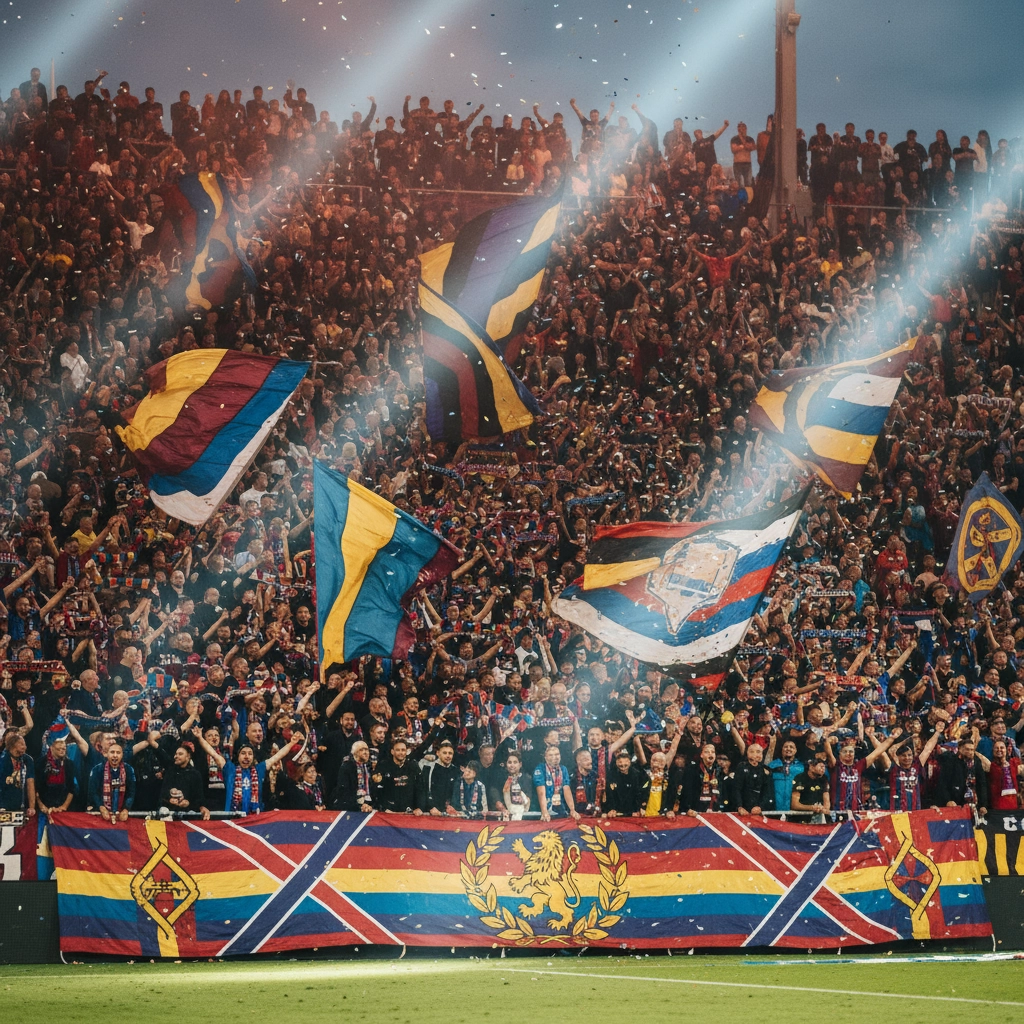
How chants and colors turn teams into cultural symbols
You often think of a club by its crest, but the sound of the terraces and the palette of its kit are just as important. Fan chants and team colors act as shorthand for a club’s history, values, and local identity. When you hear a melody echoing around a stadium or see a sea of a single hue in the stands, you’re witnessing culture being performed live: supporters using sound and sight to stake a claim on what their club means.
What makes chants and colors so powerful?
- Collective storytelling: Chants condense decades of triumphs, rivalries, and social identity into phrases that are easy to learn and repeat.
- Visual cohesion: Colors unify diverse groups of fans visually, creating an immediate sense of belonging when thousands wear the same shirts or scarves.
- Emotional branding: Repeated songs and consistent color schemes build emotional associations—joy, defiance, nostalgia—that last across generations.
- Local and global reach: While rooted in a city or region, iconic chants and kits travel with emigrants and broadcasted matches, turning local identity into a global brand.
Early club snapshots: iconic chants, signature colors, and identity cues
To get a practical sense of this dynamic, you can look at a few well-known European clubs whose chants and colors instantly communicate character. These snapshots highlight how musical and visual elements create distinct identities for supporters and players alike.
Liverpool — red, anthemic tradition, and communal memory
When you think of Liverpool, you picture deep red, the Liver Bird, and the haunting refrain of “You’ll Never Walk Alone.” That anthem functions as a ritual of solidarity: it’s sung before kick-off, after victories, and at moments of remembrance. The uniform red is more than a kit color—it’s a banner under which working-class pride, local resilience, and global fandom converge.
FC Barcelona — blaugrana, Catalan identity, and stylistic pride
Barcelona’s blaugrana stripes signal more than club allegiance; they reference Catalan culture and political expression. The club’s playing philosophy—possession, creativity—has been mirrored in chants that celebrate style as identity. When you hear supporters chant in Catalan or Spanish, you’re hearing regional identity threaded through decades of sporting success.
Bayern Munich — red dominance, institutional success, and national symbolism
Bayern’s red and white evoke dominance and formality, aligning with the club’s consistent success and institutional stature within German football. Chants at the Allianz Arena often emphasize achievement and expectation, reinforcing a winning identity that supporters both celebrate and demand.
Having established why visual and vocal traditions matter and examined a few early examples, you’ll next investigate how stadium rituals, ultras culture, and modern media shape—and sometimes transform—these club identities.
Stadium rituals, tifos, and the ultras: choreography as identity
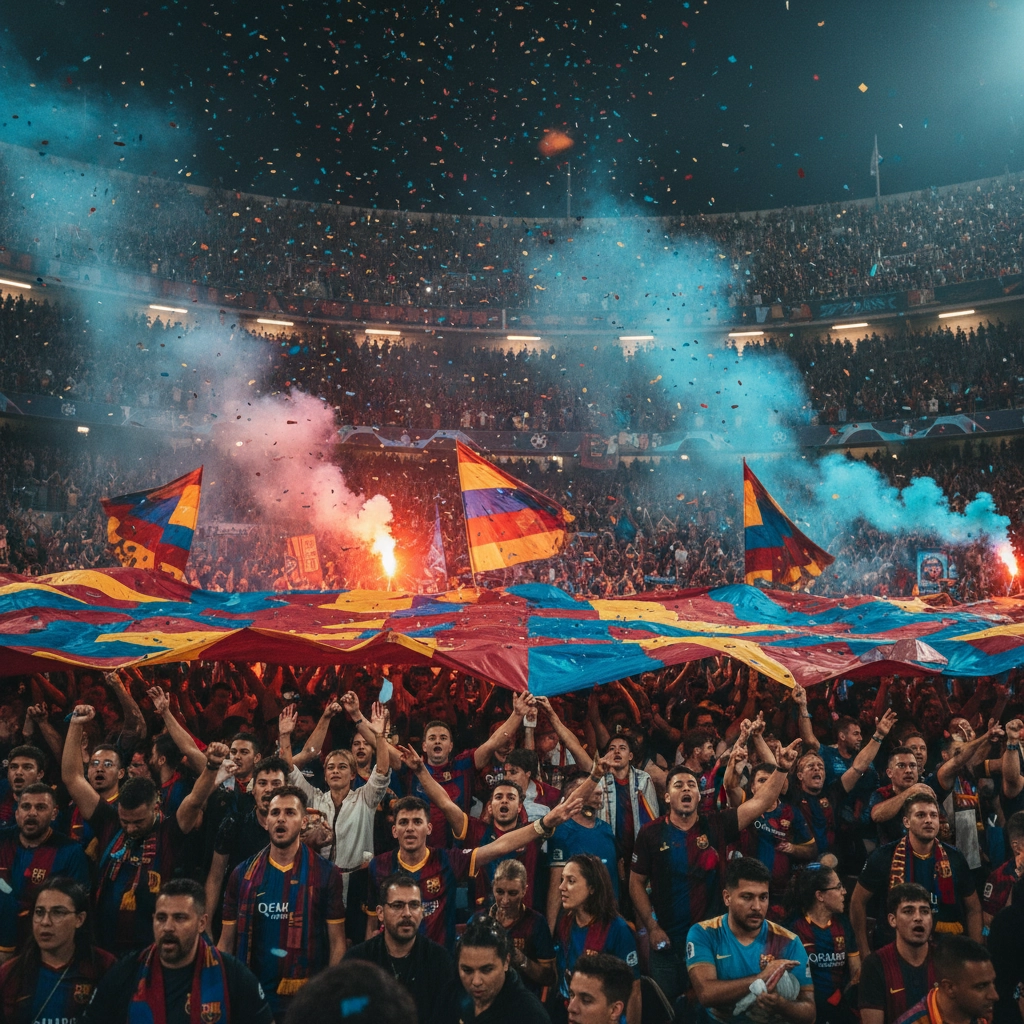
Walk into a stadium during the opening minutes and you’ll see identity being choreographed. Scarves raised as one, mosaic cards snapping into place, and banners unfurled across entire stands are all ritualized statements: visual narratives that compress a club’s myths, grievances, and aspirations into a single, unforgettable image. These displays—known broadly as tifos—are the work of organized supporter groups, often called ultras in many European contexts. Ultras are custodians of tradition; they write verses, commission banners, coordinate pyrotechnic displays, and practice the timing and motion that make a choreographed stand look effortless.
Different regions express this craft in distinct ways. Italy’s Curva culture prizes elaborate, often politically charged banners and a layered repertoire of chants; Spain’s peñas combine local pride with seasonal songs tied to regional identity; in Germany, Borussia Dortmund’s “Yellow Wall” exemplifies how sheer scale and uniform color can become as important to a club’s image as its on-field style. Southern clubs such as Napoli transform stadium ritual into city-wide spectacle—the blue of their kit becomes the city’s emblem on matchday, and songs drawn from local tradition bind fans to place and memory.
Ultras and tifos do more than decorate matches: they enforce codes of behavior, transmit chants to new generations, and sometimes act as a counterweight to club hierarchies. Their displays can be celebratory, defiant, or protest-oriented—used to commemorate lost icons, shame mismanagement, or push back against commercialization. Because these acts are public and striking, they shape how casual viewers and international audiences perceive a club. What looks like hooliganism to outsiders may be ritual to insiders; what reads as spectacle on television often masks months of volunteer planning and fundraising. In short, stadium choreography is a living archive—visual and aural proof that a club’s identity is as much performed as it is inherited.
Broadcasts, branding, and the remixing of tradition
The reach of a chant or a kit color no longer stops at a stadium wall. Television, streaming, and social media have turned local rituals into global content, amplifying certain songs and images while flattening others. A compelling tifo clip can be shared worldwide in minutes; a catchy terrace chant can become a stadium anthem in another country thanks to highlights and TikTok remixes. This amplification has real effects: clubs see their color palettes and emblematic moments turned into marketable assets, licensed across apparel, fashion collaborations, and digital content.
Commercial pressures complicate this cultural dynamic. Kit designers balance tradition against novelty—introducing retro nods one season, experimental third kits the next—hoping to attract collectors without alienating purists. Sponsorship and branding sometimes clash with fan aesthetics; a shirt emblazoned with a corporate logo may erode the visual purity supporters associate with identity. At the same time, clubs and supporters increasingly negotiate this terrain together. Fans use online platforms to coordinate mass purchases of particular shirts, fund large-scale tifos via crowdfunding, or organize unified protests against policies perceived as eroding identity—ticket-price hikes or changes to historic crests, for instance.
The result is a hybrid culture where grassroots expression and global branding co-exist, often uneasily. Media exposure can oxygenate traditions—introducing them to new audiences and ensuring their survival—but it also invites commodification. Whether through a viral chant or a fashion capsule, the colors and sounds fans care for are now components of a broader cultural economy. How clubs and supporters navigate that economy will shape which traditions persist, which are repurposed, and which are quietly forgotten.
Identity in Motion: Stewardship and the Fan’s Role
Clubs are not static emblems; they are living practices shaped every matchday by the people who sing, march, design, and debate. The stewardship of colors and chants falls largely to supporters—sometimes in partnership with clubs, sometimes in tension with them. That ongoing negotiation will determine which traditions endure, which evolve, and which are consciously retired. Fans who document, teach, and adapt rituals help ensure those practices remain meaningful rather than museum pieces.
At the same time, technology and commerce will continue to reframe how identity is produced and consumed. Digital platforms can amplify a terrace chant halfway around the world or expose a tifo to millions, creating opportunities for cultural exchange and misinterpretation alike. Thoughtful stewardship means using those tools to protect context: explaining origins, crediting creators, and resisting easy commodification that strips rituals of their stories.
Whether you’re a lifelong season-ticket holder, a casual viewer, or a new fan discovering a club online, your choices matter. Attending responsibly, supporting authentic supporter initiatives, and learning the history behind a song or color are simple ways to participate in the living culture of football. For readers who want to explore how governing bodies and clubs engage with supporter culture, a useful starting point is UEFA, which documents initiatives and regulations affecting matchday practice and fan safety.
Frequently Asked Questions
How do chants originate and spread between clubs?
Chants often begin locally—born from a memorable moment, a player’s name, or a cultural reference. They spread via away fans, televised matches, and social media. Supporter groups and ultras also intentionally adopt and adapt tunes from other clubs, creating regional or pan-European variants that carry new meanings in different contexts.
Why do team colors matter beyond aesthetics?
Colors serve as visual shorthand for history, community identity, and belonging. They unify fans in the stadium, symbolize civic or regional ties, and become key elements of commercial branding. Changes to colors or crests can therefore trigger strong reactions because they touch on collective memory and perceived authenticity.
What role do ultras and tifos play in modern club culture?
Ultras coordinate chants, design tifos, and maintain ritual continuity across generations. Their displays can celebrate, protest, or commemorate, making them influential cultural brokers. While sometimes controversial, ultras often act as custodians of identity, preserving traditions that might otherwise be lost amid commercialization and media-driven change.