Why European football clubs command global devotion—and what you’ll encounter
When you follow a European football club, you’re joining a story that blends local identity, decades of competition, and rituals passed between generations. Clubs like Real Madrid, Manchester United, Bayern Munich, and Juventus are more than teams: they are cultural institutions that shape neighborhoods, cities, and even national pride. Understanding this context helps you appreciate rivalries, plan meaningful road trips, and participate respectfully in matchday rituals.
As a fan or visitor, you’ll notice three overlapping layers: sporting achievement (trophies and historic matches), geography and history (city rivalries, industrial roots, political overtones), and crowd culture (chants, banners, pre-match gatherings). Each layer shapes how matches feel and how clubs relate to one another. Below you’ll find an orientation to key clubs and rivalries, followed by practical guidance for traveling to matches.
Major clubs and the rivalries that define them
Rivalries in European football often emerge from proximity, historical events, or competition for dominance. If you want to understand a fixture’s intensity before you attend, consider these archetypal examples and what they reveal:
- El Clásico (Real Madrid vs Barcelona) — A clash of regional identities and political symbolism that goes beyond the pitch. Expect global media attention and a charged atmosphere.
- The Old Firm (Celtic vs Rangers) — A Glasgow rivalry entwined with religious and cultural history. Matches are high-tension; learn the local context before engaging in banter.
- Milan derby (AC Milan vs Inter) — Shared stadium, split loyalties. You’ll see distinct styles of support inside the same architectural space.
- North-West Derby (Liverpool vs Manchester United) — A rivalry rooted in historic commerce and sporting supremacy; it carries national significance in England.
- Bayern vs Borussia Dortmund — A modern rivalry driven by recent title races, intense fan choreography, and significant traveling support.
These examples illustrate that rivalries vary—from local derbies where grudges simmer for generations to modern competitive feuds sparked by success on the field. When you attend, research the history briefly and be mindful of local sensitivities; that preparation will enrich your experience and keep interactions positive.
Planning a road trip to see matches: essentials for first-time travelers
Seeing matches across Europe is rewarding, but it requires planning. Start by mapping fixtures and ticket-release dates for the clubs you want to visit. Major tips you should follow include:
- Book travel and accommodation early around derby dates—cities fill quickly and prices spike.
- Understand ticketing rules: many clubs prioritize season-ticket holders or members; join club membership programs where possible.
- Check local laws and stadium policies on bags, cameras, and prohibited items to avoid issues at entry.
- Respect fan etiquette: learn a few chants, observe seating zones, and avoid provoking rival supporters.
With these basics handled, you’ll be ready to experience matchday atmosphere safely and authentically. In the next section, you’ll explore the specific stadium rituals, pre-match gatherings, and iconic road-trip routes that bring rivalries to life.
Stadium rituals and matchday choreography — what to look for (and how to behave)
Stadiums are stages for rituals that can feel both theatrical and deeply personal. From choreographed tifos unfurling across whole stands to the collective raising of scarves and the stadium-wide chant that starts at kickoff, these moments are as much a part of the match as goals. Learn to read a few common cues: loud, rhythmic clapping often signals a chorus, while a rising chant may be answered by a drum or megaphone in the ultrà section. In some places, the pre-match atmosphere builds with a parade of banners and confetti; in others, a moment’s silence or a club anthem is observed with solemnity.
Practical behaviour rules to keep in mind:
- Observe steward instructions and seating zones—many clubs segregate away supporters for safety.
- Don’t attempt to enter ultrà sections or stand in areas reserved for organized support; it can be unsafe and disrespectful.
- Avoid photographing or filming people who clearly want privacy—some supporter groups discourage close-up imagery, especially of faces.
- Don’t bring or light pyrotechnics—flares and smoke are common in some cultures but are illegal in many stadiums and risky.
Join the singing where appropriate—matching the rhythm and timing matters more than knowing every word—and respect moments of silence or remembrance. If you’re unsure, follow the locals; copying their cadence and timing will make you part of the experience without crossing boundaries.
Pre-match gatherings and away-day traditions
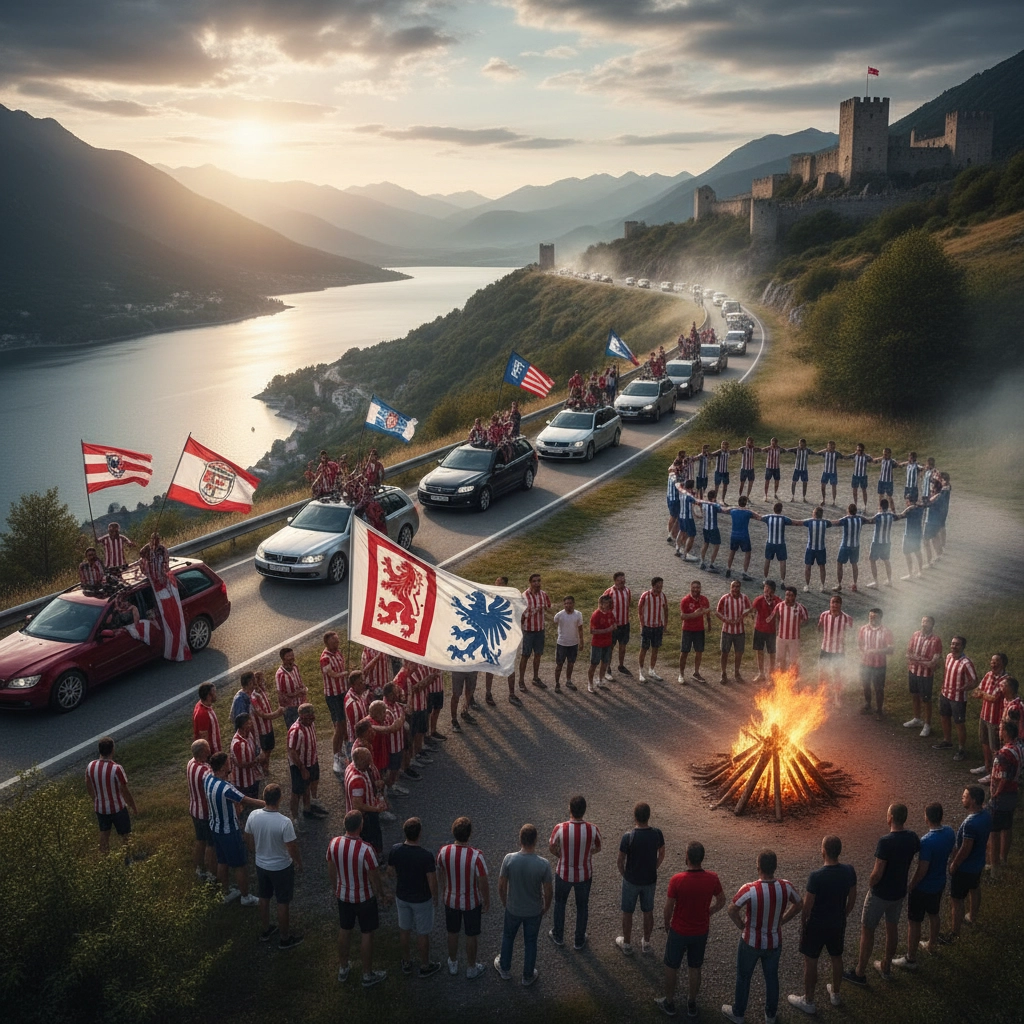
Many clubs have well-established pre-match rituals outside the stadium: pub meetups, supporters’ marches, fan zones with live music and food, or pilgrim-style walks to the ground. These are excellent ways to soak up local culture and meet fellow fans. In cities like Glasgow, Liverpool, and Bilbao, pre-match streetside gatherings are vigorous and family-friendly during daytime kickoffs. In some southern European cities, supporters congregate in plazas or near club museums for photos and respectful banter.
Tips for joining pre-match activities:
- Find official supporters’ clubs or sanctioned fan zones—these are safer and often include English-speaking volunteers for visitors.
- Arrive early; pre-match crowds thin out after kickoff and popular meeting points can become overcrowded.
- Dress in layers and bring cash for street food and souvenirs—card machines aren’t always available at pop-up stalls.
- Keep banter friendly; many regions have sensitive historical or political undercurrents—ask a local or listen first.
Iconic road-trip routes for fans—and how to plan them
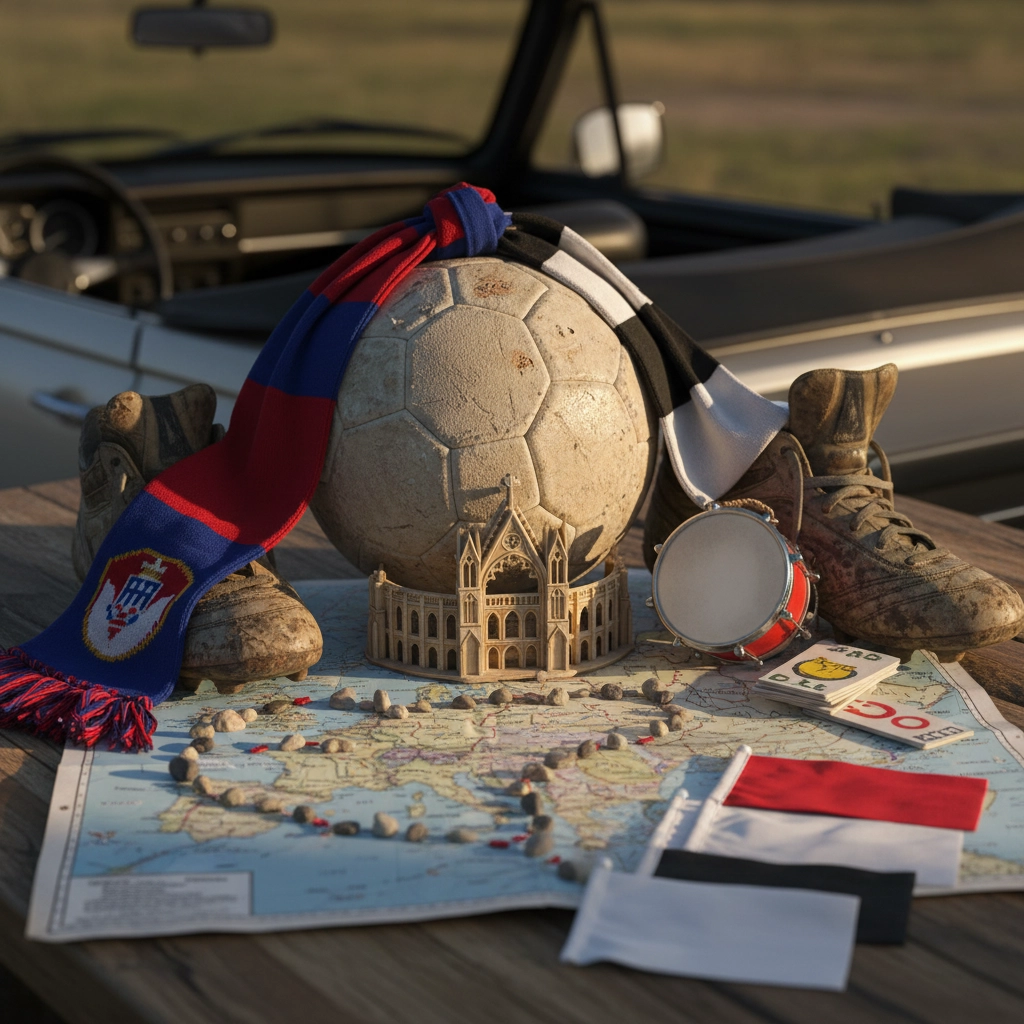
Certain itineraries have become pilgrimages: the Ruhr Valley run (Dortmund to Gelsenkirchen) for intense local derbies; the Milan–Turin–Genoa loop for a taste of northern Italian rivalries; the Madrid–Barcelona–Seville axis for Spain’s headline fixtures and regional atmospheres. In Britain, a north-west circuit—Liverpool, Manchester, and nearby towns—lets you sample historic clubs and compact travel times. Pick routes that cluster geographically to minimize transit time and stress.
Logistics pointers:
- Use trains for short hops—Europe’s rail network connects many stadium cities efficiently; book high-speed trains early for best fares.
- Consider night trains or budget flights for longer gaps, but factor in ground travel to stadiums (airports can be far from city centers).
- Plan buffer days for delays and to enjoy local sights; a museum or neighborhood walk can turn a transfer day into a highlight.
- Always check matchday travel advisories—public transport schedules often change on game days and special event security can affect routes.
With thoughtful planning and respect for local customs, a multi-match road trip becomes more than a checklist of fixtures—it’s a way to trace football’s imprint on places, people, and history.
Final notes for fans on the road
Go with curiosity and a readiness to listen: the best matchday memories come from small moments—an unexpected chant, a local legend told by a pub regular, or a quiet ritual observed before kickoff. Prioritize safety and respect: follow steward guidance, honor local sensitivities, and lean on official supporters’ clubs when in doubt. If you want authoritative schedules and competition updates while planning trips, check reliable sources such as UEFA. Above all, let the experience deepen your appreciation for the people and places that give European football its lasting power.
Frequently Asked Questions
How can I improve my chances of getting tickets to big matches or derbies?
Join club membership or waiting lists early, monitor official club and authorized ticket-reseller releases, and consider season-ticket holder exchanges or verified fan platforms. For high-demand derbies, plan months ahead and use official club channels to avoid scams.
Is it safe to join pre-match marches and fan zones as a visiting supporter?
Many pre-match gatherings are family-friendly and organized with stewards, but intensity varies by fixture. Stick with official fan zones or supporters’ clubs, arrive early, stay with groups, and avoid provocation—if an area looks tense, move to a calmer, sanctioned venue.
What should I avoid doing inside stadiums to respect local fan culture?
Avoid entering ultrà sections, photographing identifiable fans without permission, bringing prohibited items (like flares), and initiating hostile chants. Follow local customs by following the lead of nearby supporters and heeding stadium staff instructions.