How elite tactics are redefining modern football and what you should notice
You watch top-level matches expecting speed, skill, and drama, but what really separates the elite is a coherent tactical identity. When you study teams like Manchester City, Real Madrid, Bayern Munich, or top national sides, patterns emerge: deliberate pressing triggers, carefully crafted positional structures, and set-piece routines that are rehearsed like choreography. Recognizing these trends will help you understand why certain teams dominate possession, why others win by rapid counters, and how in-game adjustments change outcomes.
This section introduces the major tactical currents shaping elite football. You’ll see how managers blend historical philosophies with analytics and player-specific strengths to create systems that look effortless on the pitch. Pay attention to formation fluidity, the use of half-spaces, and how transitions—both defensive and offensive—are prioritized in training and match preparation.
Pressing intensity and transitional play: the engine of many top teams
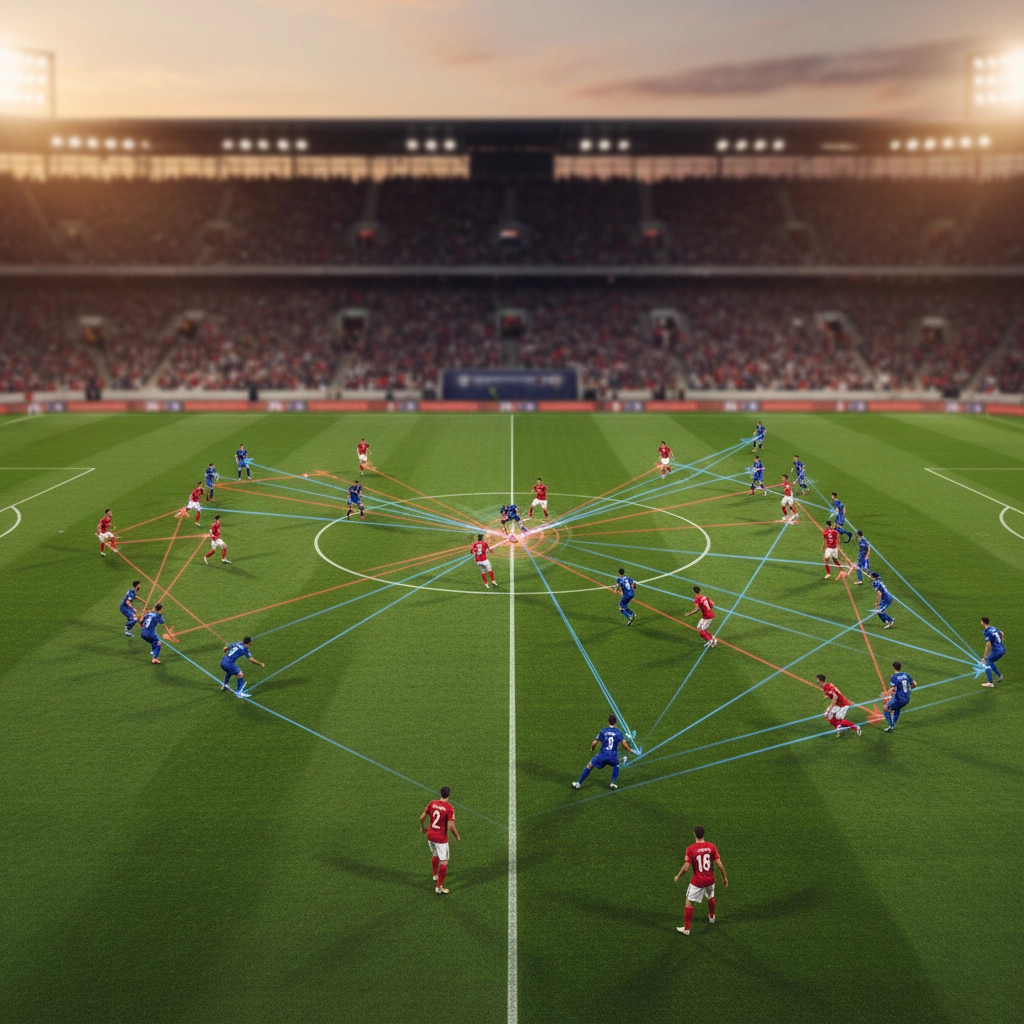
Pressing is no longer just a buzzword; it’s a measurable process with distinct roles and responsibilities. You’ll notice two dominant pressing approaches among elite sides:
- Coordinated high press: Teams push up as a unit, compressing the opponent’s space and forcing hurried passes. You should look for synchronized triggers—like a back pass or a midfielder’s poor touch—that cue forwards and midfielders to close down immediately.
- Mid-block and selective pressing: Some teams conserve energy by inviting the opponent into specific zones before engaging. You’ll see disciplined lines and rapid vertical counters once possession is won.
Transitions are the natural complement to pressing. When you watch elite clubs, rapid counter-attacks often come from quick vertical passes into half-spaces or wide overloads created by full-backs. The most efficient sides train for “first three seconds” after winning the ball—those initial actions frequently determine whether a turnover results in a shot or a reset.
Possession frameworks and the rise of positional play
Controlling the ball remains a reliable way to control matches, but how possession is constructed has evolved. You should focus on these positional-play elements:
- Width and half-space occupation: Elite teams use wide players to stretch opposition lines while midfielders exploit the half-spaces between defense and midfield.
- Circulation to create overloads: Quick lateral movement and patient circulation aren’t aimless; they probe for moments to break lines through diagonal passes or third-man runs.
- Role specialization: Modern systems assign hybrid responsibilities—certain full-backs invert into midfield, wingers tuck inside, and number eights shuttle between boxes—so you should watch how individual roles create collective advantages.
By tracking these themes—pressing triggers, transitional seconds, and the anatomical use of space—you’ll start to see why elite managers insist on rehearsed patterns and adaptable players. In the next section, you’ll examine how defensive structures and set-piece strategies give top teams the margins they need to win tight contests.
Defensive architecture: compactness, rotation, and the art of denying space
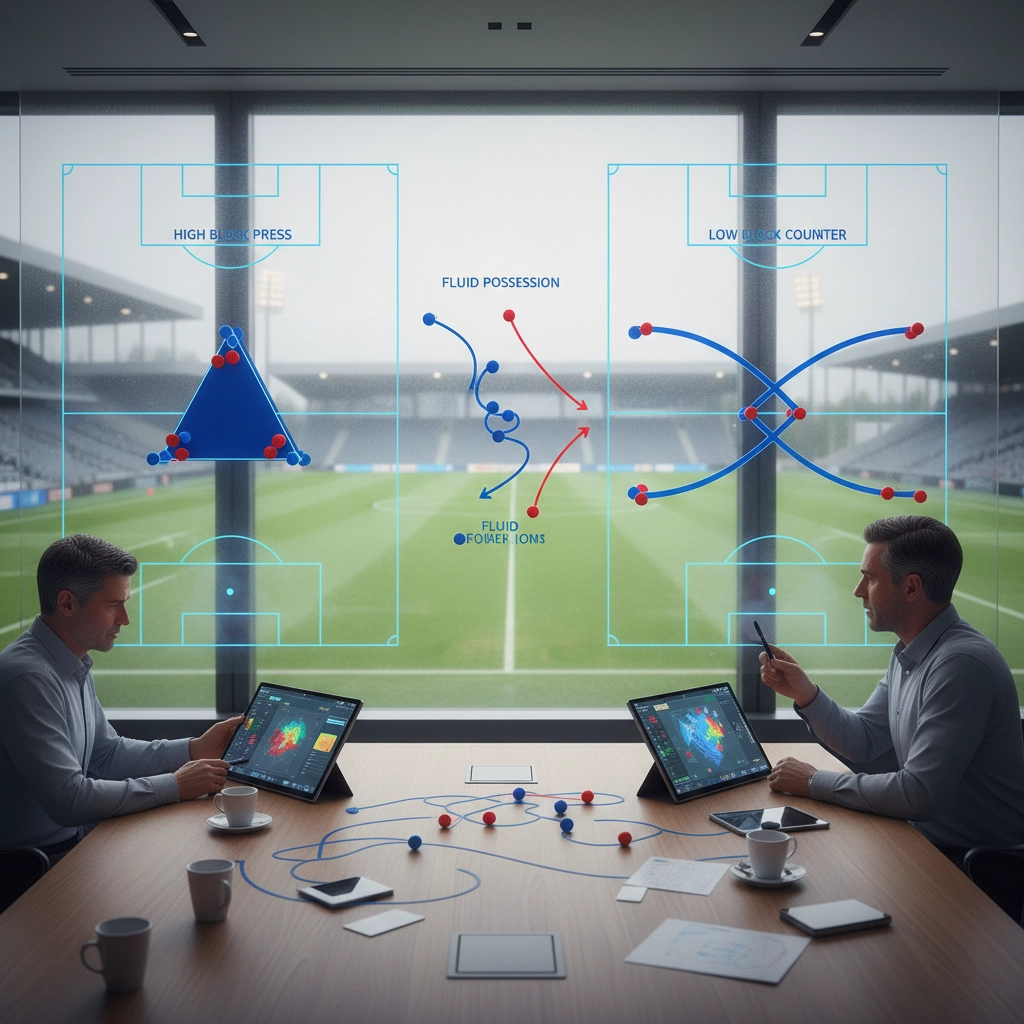
Defense among elite teams is less about brute tackling and more about a practiced geometry of space denial. Watch for compactness first: successful sides maintain narrow vertical distances between lines so opponents have to play through crowded corridors or attempt risky long balls. You’ll notice three recurring defensive devices:
- Layered blocks: Teams shift between narrow, deep blocks to protect the penalty area and higher, staggered lines to compress midfield. These layers aren’t static—intelligent rotation means a midfielder steps up to press while a full-back drops to cover the vacated channel.
- Cover and balance: When a player engages an opponent, immediate cover arrives from a predetermined partner. This covering principle prevents individual duels from opening vertical lanes; watch center-backs and pivot midfielders trade positions to intercept passes into half-spaces.
- Trigger-based risk management: Elite defenses choose moments to commit—counter-press after an opponent miscontrol, or retreat into a compact block when stretched. The choice is coached and rehearsed, not ad hoc.
Another subtle but decisive element is how teams defend against the half-space and overloads. Rather than man-marking the ball in isolation, defenders push attackers into less threatening zones and funnel play toward help defenders or to the flanks where crossings can be contested. Goalkeepers amplify this through sweeping actions and by organizing the line—rapid communication and pre-defined positioning reduce costly instincts like leaving gaps between center-backs. When you watch, track how off-the-ball movements and rotations prevent opposition patterns from developing; elite defenses are choreographed to be anticipatory, not merely reactive.
Set-piece intelligence: rehearsed variability, data-led targeting, and marginal gains
Set pieces remain one of the purest opportunities for scoring and, for elite sides, they’re treated as a laboratory of marginal improvements. Look for two overarching behaviors: repetition with variation and data-led targeting. Teams practice a core set of routines but introduce small changes—timing of runs, angles of approach, or the use of decoys—to be unpredictable while retaining execution precision.
- Offensive choreography: Expect displacement runs to create space, blockers who screen key markers, and coordinated near-post/late-arrival patterns. Short corners and quick dead-ball switches are used to exploit lazy markers or to create better crossing lanes for taller players.
- Defensive schematics: Many top teams combine zonal and man principles—zonal numbers cover dangerous zones while designated markers follow the most potent aerial threats. Prescribed clearances and second-ball responsibilities are drilled so rebounds are contested rather than conceded.
- Analytics and player profiling: Set-piece planners use opponent-specific data—jump timing, weak markers, goalkeeper tendencies—to design target points and delivery profiles (height, pace, spin). Even minute changes in delivery angle or player foot positioning can change the outcome.
Finally, notice match-management decisions: late substitutions for extra aerial presence, deliberate fouls to stop momentum, or tactical corners to drain the clock. At elite level, set pieces are not random; they are rehearsed mini-systems intended to tilt tight matches through repeatable, optimized actions.
One final current shaping elite football is the accelerated feedback loop between coaching, technology, and player development. Training methodologies now embed tactical patterns from youth levels; player-tracking and video analysis compress learning curves; and clubs experiment with hybrid roles to squeeze small advantages. These shifts mean tactical novelties propagate faster and become baseline expectations more quickly than before.

The next tactical frontiers
Expect evolution rather than revolution: marginal gains in space management, individualized pressing triggers, and micro-adjustments in set-piece delivery will continue to decide tight matches. As tactics become more data-aware and player-specific, the best teams will be those that translate analytic insight into simple, repeatable behaviours on the pitch. If you want to follow the analytical side of that change, resources such as StatsBomb offer accessible research and examples of how data informs modern coaching.
Frequently Asked Questions
How do elite teams choose between a high press and a mid-block?
Teams select pressing height based on opponent weaknesses, match context, and player stamina. A high press targets teams that struggle with playing out from the back or rely on a single pivot, while a mid-block conserves energy and invites play into channels where counters are more effective. Coaches also factor in in-game triggers—specific touches or passes that prompt coordinated pressing sequences.
What role does analytics play in set-piece planning?
Analytics identifies opponent vulnerabilities (weak markers, goalkeeper tendencies, preferred clearance directions) and refines delivery profiles (pace, height, spin). It helps teams design rehearsed variations that exploit those weaknesses and evaluate the success of different routines, turning set pieces into repeatable, data-driven opportunities rather than ad-hoc plays.
As a fan, what should I watch to spot advanced positional play?
Look beyond who has the ball: watch occupation of half-spaces, how full-backs and wingers trade width, and the timing of third-man runs. Notice how teams circulate possession to create diagonal passing lanes or overloads, and observe coordinated off-the-ball movement that opens vertical channels—those are the fingerprints of sophisticated positional systems.