How Europe’s top players shape the way you watch football
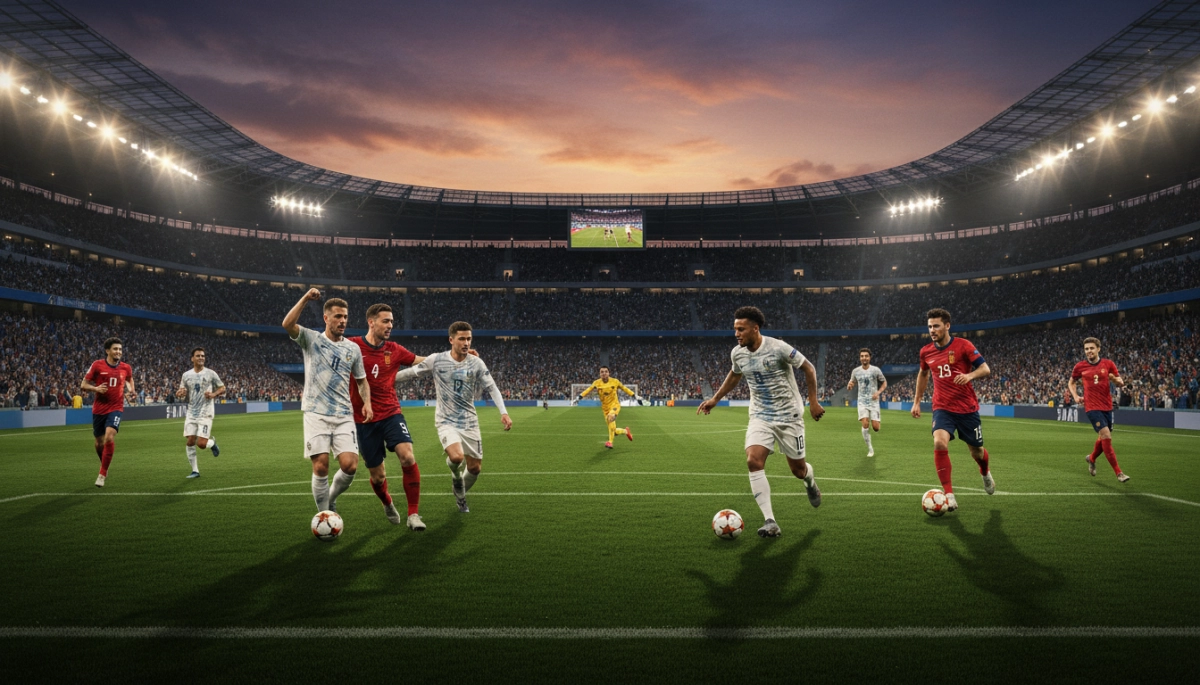
When you follow European football, you’re witnessing the work of players whose individual brilliance and team influence set standards worldwide. You learn the game through their moments — a precise pass that splits a defence, a composed penalty in the dying minutes, or an audacious dribble that changes a match. In Europe, club competitions, national leagues, and continental tournaments create stages where the best players write the rules of modern football.
In this part of the series you will gain a framework for understanding who these stars are, what makes them exceptional, and how their careers influence tactics, fan culture, and the transfer market. You’ll encounter both historic figures who changed the sport’s philosophy and contemporary athletes whose pace, technique, and data-driven preparation redefine expectations.
Key attributes that define a European football star — what to look for
To appreciate why certain players become icons, consider the following attributes. These help you evaluate talent beyond goals and assists, making it easier to compare players across eras and positions.
- Technical mastery: Ball control, first touch, and finishing precision are the foundations. Players who excel technically can impose their game regardless of opposition tactics.
- Tactical intelligence: Top players read the game — they anticipate runs, exploit spaces, and often dictate tempo. You’ll notice how such players improve the whole team’s performance.
- Consistency and big-game impact: Being decisive in Champions League nights, title races, and internationals distinguishes stars from good players.
- Adaptability: The most influential players adjust to different managers, formations, and leagues; versatility extends careers at the highest level.
- Leadership and cultural influence: Beyond on-pitch skills, stars shape club identity, attract sponsors, and influence youth development — factors you see reflected in stadium atmospheres and academy outputs.
Early highlights: legendary figures and modern architects of the game
Understanding contemporary stars means knowing the icons who came before them and the recent players who redefined roles. You’ll recognize patterns when you compare eras.
- Classic architects: Johan Cruyff and Franz Beckenbauer transformed tactical thinking in Europe — Cruyff with total football and Beckenbauer with the modern ball-playing defender role.
- Turn-of-the-century superstars: Zinedine Zidane and Thierry Henry combined elegance with decisive moments, influencing how you value creativity under pressure.
- Contemporary benchmarks: Cristiano Ronaldo and Lionel Messi set statistical and commercial milestones, while players like Kevin De Bruyne and Robert Lewandowski demonstrate the modern blend of athleticism, technique, and tactical awareness.
- Rising era influencers: Kylian Mbappé and Erling Haaland illustrate how speed and data-optimized training produce game-changing forwards in today’s European competitions.
With this context and the traits to watch for, you’re ready to dive deeper into the individual careers, landmark performances, and statistics that define each star — next, we’ll profile the players whose moments and numbers have most shaped European football today.
Midfield maestros: engines whose decisions dictate outcomes
When you study modern matches, midfielders are often the clearest indicators of a team’s identity. These players combine vision, tempo control, and defensive work-rate — and their statistical profiles reflect influence beyond goals and assists. Look for metrics like progressive passes, pressures won, and passing sequences that start scoring opportunities; those numbers trace how midfielders convert possession into threat.
Consider three archetypes you’ll see across Europe. The deep-lying playmaker controls rhythm and transitions, recycling possession and launching attacks with pinpoint long passes. The box-to-box operator covers ground, contributes defensively, and times late runs into the box. The advanced creator lives between lines, unlocking defences with through-balls and quick combinations.
Landmark performances often reveal these roles. A night where a midfielder records multiple progressive passes and key passes in a Champions League knockout, or where they stifle a top opponent through interceptions and tactical fouls, tells you everything about their value. Clubs prize midfielders who combine high-intensity pressing numbers with elite pass completion under pressure — those players enable sophisticated tactical systems and sustain title challenges over a season.
Forwards who change outcomes: finishers, speedsters, and the new striker archetype
Forwards remain the headline-makers, but the archetype has diversified. Pure poachers still exist, but the modern front line often includes a blend of brute finishing, intelligent pressing, and dynamic movement that drags defenders out of position. You should track goals-per-90, shot-creating actions, and pressing actions in the attacking third to evaluate how forwards shape matches beyond simple tallies.
Look at players who pair physical presence with clinical efficiency: those who dominate in high-intensity leagues and deliver match-winning runs in continental fixtures. Speed-forward hybrids add a vertical threat that redefines defensive setups, forcing teams to defend deeper and changing how full-backs and midfielders operate. Then there are forwards who act as false nines, dropping to link play and creating space for wide attackers — their impact shows up in expected assists (xA) and secondary assists as much as in goals.
Historic landmark moments — late winners in European finals, hat-tricks in decisive fixtures, or sustained scoring streaks across competitions — cement a forward’s status. Transfer market valuations and managerial plans around such players reflect the premium placed on those decisive contributions.
Defenders and keepers: from last line to first pass
Defensive excellence now includes ball progression as much as tackles and clearances. Elite centre-backs are valued for aerial dominance and for initiating attacks with accurate long passes or calm carries out of defence. Full-backs who combine defensive solidity with crossing volume and progressive carries are tactical multipliers — their forward runs create overloads and change opponents’ marking schemes.
Goalkeepers complete the modern defensive picture. Beyond shot-stopping, you’ll evaluate keepers on sweep actions, successful long passes, and their role in building play from the back. Clean sheets remain important, but advanced metrics such as post-shot expected goals (PSxG) reveal which keepers consistently outperform the quality of shots they face.
Key moments that define defenders and keepers include last-ditch interventions in cup finals, dominant away performances that preserve slender leads, and games where a keeper’s quick distribution starts a decisive counterattack. Those instances help explain why certain defenders and goalkeepers command leadership roles and transfer fees comparable to attacking stars.
As European football continues to evolve, the pathways to stardom are multiplying. Youth academies hone technical and tactical foundations earlier, analytics teams tailor individual workloads, and clubs invest in environments that accelerate physical and mental development. That convergence—coaching, sports science, scouting and competition—means new players emerge who combine traditional flair with data-optimized efficiency. For fans and analysts, that makes following careers richer: you can track not only highlight reels but also progressive passes, pressing maps, and season-long influence.
When you watch matches now, look for the subtle moments that signal lasting impact: a midfielder who consistently changes tempo, a full-back who creates overloads down one flank, or a keeper whose distribution starts counterattacks. Those details, woven into the spectacle of goals and saves, are where tomorrow’s legends are born.
Forward look: the players, the game, and what to expect
Football’s stars will keep shaping tactics, markets and culture. Expect continued emphasis on versatility, data-informed preparation, and youth development—while historic traits like composure and creativity remain decisive. Follow marquee competitions and club academies to see trends unfold; competitions such as the UEFA Champions League will remain key stages where reputations are made and re-made. Above all, watch how individual moments influence team identity and how teams adapt around their brightest players—those patterns tell you more about the future of the game than headlines alone.
Frequently Asked Questions
How can I tell if a player is truly a European football star and not just having a short run of form?
Look beyond single-match stats: check consistency across seasons, performances in high-pressure matches (European nights, title deciders), and metrics like progressive passes, shot-creating actions, and defensive actions in context. Leadership roles, adaptability to different managers or systems, and market valuation trends also indicate lasting star status.
Which advanced metrics matter most for evaluating midfielders and forwards?
For midfielders, progressive passes, pressures won, pass completion under pressure, and progressive carries reveal influence. For forwards, goals-per-90, expected goals (xG) versus actual goals, shot-creating actions, and pressing actions in the attacking third show both finishing quality and broader contribution to team play.
Do transfers and youth systems still determine who becomes a top player in Europe?
Yes. Transfers place players in tactical environments that can accelerate or stall development, while elite youth systems provide technical foundations and tactical education. Clubs that combine strong academies with intelligent recruitment and coaching tend to produce and attract players who become long-term stars.