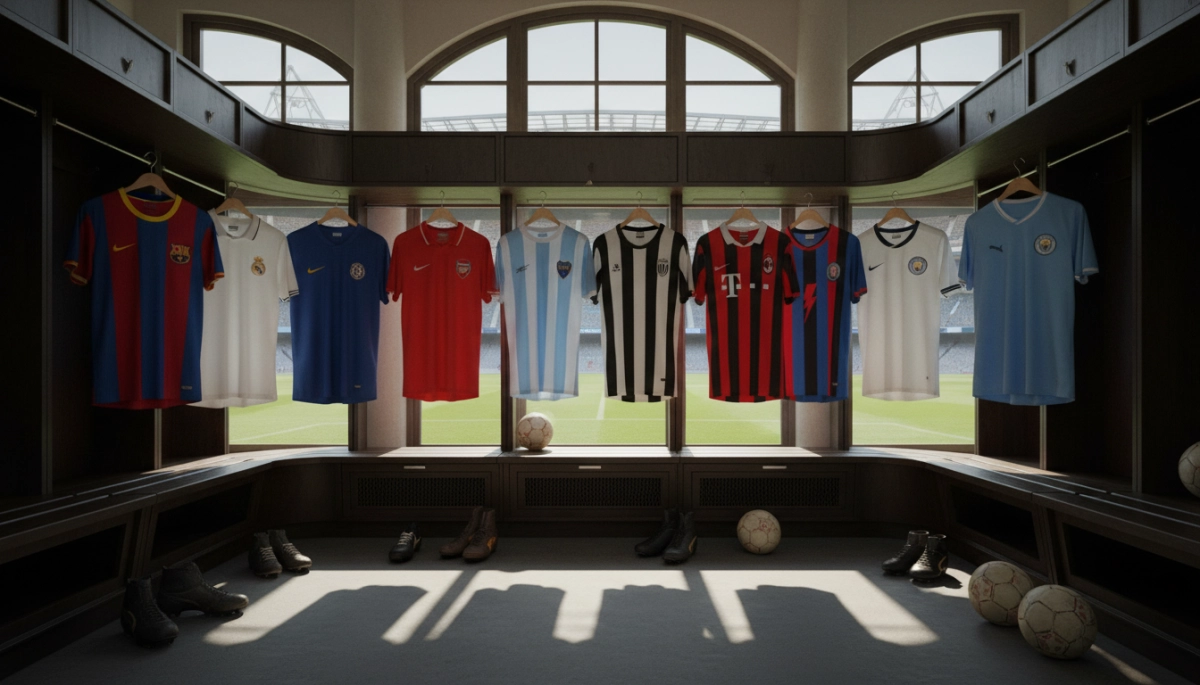
What makes a football club instantly recognizable worldwide?
You probably notice that some club names evoke images, chants, and rivalries the moment you hear them. A club’s fame isn’t accidental; it typically grows from a combination of sporting success, cultural impact, and smart global outreach. If you want to understand why certain teams top every casual fan’s list, consider the pillars that create international recognition.
- On-field success: Consistent domestic league wins, continental trophies, and historic matches create lasting reputations you recall decades later.
- Iconic players and managers: Legends and charismatic figures give clubs faces and stories that travel far beyond local supporters.
- Historic rivalries: Matches with deep social or regional roots generate narratives that attract neutral viewers and media attention.
- Global marketing and tours: Pre-season tours, broadcast deals, and official academies spread the club’s brand across continents.
- Cultural and community identity: Clubs that represent a city, class, or cultural movement become symbols people identify with, even if they don’t live nearby.
When these elements combine, you get a club name that circulates beyond matchdays—appearing in media, merchandise, and everyday conversation. Below, you’ll meet some of the foundational giants whose histories and personalities turned them into household names.
Early giants every fan recognizes: the clubs that set the standard
These clubs have shaped modern football culture and are frequently the first names fans mention when discussing famous teams. You don’t have to be a supporter to know their colours, their stadiums, or at least one famous player associated with them.
Real Madrid — the blueprint of trophy-laden prestige
You’ll hear Real Madrid referenced whenever conversation turns to European dominance. With numerous UEFA Champions League titles, the club’s identity is built around sustained success and headline-grabbing transfers. Their historical ability to attract superstar talent has amplified their global footprint: match highlights, documentaries, and a vast merchandise network make the name recognizable on every continent.
FC Barcelona — a style and culture that transcends sport
Barcelona is more than results; it’s an identifiable philosophy of play and a cultural institution tied to Catalan identity. You likely associate them with beautiful passing football and a famous youth academy that produced world-changing talents. Their rivalry with Real Madrid also created fixtures that captivated global audiences, helping cement both clubs’ legendary statuses.
Manchester United — commercial power and fanbase depth
Manchester United combined on-field glory with pioneering global marketing. If you follow football broadcasting, you’ve seen how the club used tours, sponsorships, and a broad fan network to build recognition in regions with no local ties to English football. The team’s dramatic eras and popular players made it a brand that many neutral fans still recognize.
These profiles introduce why certain clubs are almost instantly recognized; next, you’ll explore additional teams and the specific moments and strategies that amplified their fame across decades.
European stalwarts and modern dynasties
Beyond the Spanish giants and Manchester United, several European clubs built reputations through periods of dominance and distinct identities. These teams are instantly recognizable because of trophy cabinets, trademark styles, and eras that produced unforgettable matches.
Liverpool — anthem, history, and resilience
Liverpool’s fame rests on a mix of historic success, anthemic culture, and headline moments. From domestic league titles to multiple European Cups, the club has a narrative of comeback and resilience—think dramatic comebacks and the emotion of a full Anfield belting “You’ll Never Walk Alone.” Their global fanbase, cultivated through memorable managers and legends across generations, ensures the name circulates among supporters and neutrals alike.
Bayern Munich — efficiency, consistency, national symbol
Bayern stands for sustained excellence in Germany and Europe. Their model blends financial stability, academy output, and elite recruitment, translating into frequent Bundesliga titles and regular Champions League deep runs. For many fans, Bayern is shorthand for efficiency and a dominant domestic force, making the club a familiar reference point when discussing powerhouse football institutions.
AC Milan / Juventus — heritage and iconic eras
Italy’s historic heavyweights carry a dual appeal: rich trophy histories and eras that defined football aesthetics. AC Milan’s European glories and Juventus’s domestic dynasty have produced star-studded squads, legendary managers, and rivalries that attract global attention. Their jerseys, stadiums, and storied pasts make both clubs staples in conversations about football heritage.
South American icons: passion and talent factories
South America furnished football with flair, unique atmospheres, and players who became global superstars. Clubs from this continent are famous not only for trophies but for producing the kind of talent and narratives that travel to every corner of the game.
Boca Juniors & River Plate — rivalry as identity
Few rivalries capture cultural intensity like the Superclásico between Boca Juniors and River Plate. Both Buenos Aires giants are household names in Latin America and beyond, known for electrifying stadiums, passionate supporters, and a conveyor belt of players who move to Europe. The narrative and emotion surrounding their matches make them a global talking point.
Santos & Flamengo — producing stars and sweeping support
Santos is synonymous with player development—Pelé’s club and a launchpad for numerous Brazilian talents—while Flamengo boasts one of the largest and most fervent fanbases in the world. Both clubs showcase how regional passion and talent production amplify a team’s international profile, keeping their names relevant when discussing football’s cultural roots.
New money, rapid rise: clubs reshaping modern fandom
The past two decades introduced clubs whose recent investment and media strategies turned them into global brands almost overnight. These teams illustrate how modern football fame can grow quickly through strategic spending, marquee signings, and intensive marketing.
Paris Saint-Germain — branding + star power
PSG’s ascent combines domestic dominance with superstar recruitment. The club used high-profile signings and lifestyle branding to turn itself into a recognisable name worldwide, showing how contemporary fame often links to off-field image as much as on-field results.
Manchester City & Chelsea — transformation through investment
Both clubs demonstrate rapid reinvention: heavy investment, elite managers, and trophy hauls have converted them into global talking points. Their success illustrates how modern club fame can be manufactured through resources, ambitious projects, and consistent performance at the highest level.
Whichever side you support, football’s famous clubs continue to shape the sport and inspire new generations.
The enduring appeal of football’s household names
Fame in football is never static. Traditions, rivalries and legends keep classic clubs alive in conversation, while new investment and media strategies create fresh household names. At its best, club football connects local identity with global audiences — a mix of drama, community and spectacle that keeps millions tuning in. If you want to follow how those stories develop, official competition coverage is a reliable place to start: FIFA’s club competitions track many of the fixtures and narratives that shape club reputations today.
Frequently Asked Questions
What makes a football club instantly recognizable worldwide?
Recognition usually comes from a combination of sustained on-field success, iconic players or managers, historic rivalries, strong cultural identity, and deliberate global outreach like tours, broadcasting and merchandising.
Can a club become globally famous overnight?
Rapid fame can happen through heavy investment, marquee signings and intensive marketing — but lasting global recognition typically requires continued success, cultural resonance, or a steady pipeline of notable players and moments.
Do famous clubs still develop young talent?
Yes. Many renowned clubs maintain academies or scouting networks that produce outstanding players, and youth development remains a major source of both talent and long-term reputation for clubs worldwide.