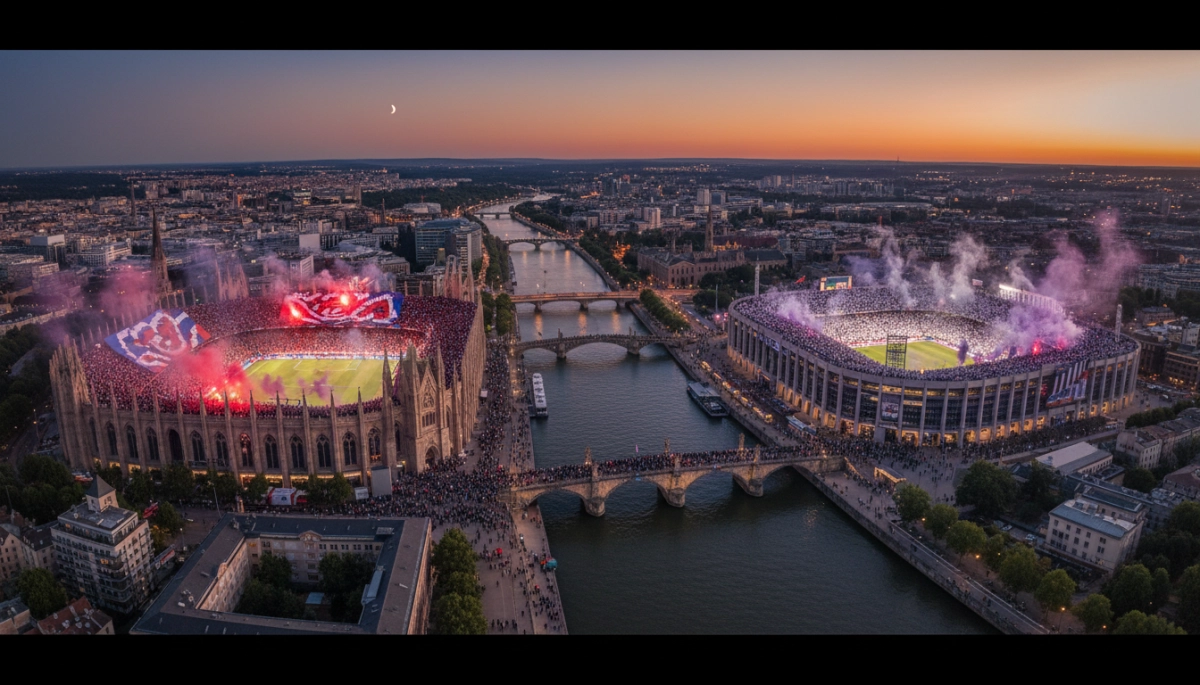
Where the world’s fiercest football rivalries begin and what you should know
You don’t need to be a lifelong fan to feel the electricity of a true football rivalry. Many of the biggest duels started from geography, politics, class divides, or simple sporting dominance. When two clubs carry history, pride and a large local following, matchday becomes more than a game — it becomes an event that defines neighborhoods and seasons. As you explore top clubs and their rivalries, you’ll learn how local context shapes atmosphere, chants, and the stakes fans attach to every tackle and goal.
How historic rivalries are forged and why they persist
Rivalries aren’t created overnight. You’ll find that most of the world’s most intense matchups share a handful of common roots. Understanding these will help you appreciate why certain matches feel more volatile, even when league positions suggest a routine fixture.
Common roots of long-standing rivalries
- Geography: Cross-city or neighborhood clashes — like two clubs sharing a city — intensify local pride and proximity-driven animosity.
- Social and political identity: Some clubs represent specific communities, religions or political leanings. Those identities can turn matches into symbolic contests.
- Sporting competition and trophies: Repeated title battles or cup finals between the same teams deepen rivalry as each result adds to the narrative.
- Controversial moments: A single contentious decision, brawl, or transfer saga can ignite decades of bad blood.
- Fan culture and rituals: Chants, banners and matchday rites get passed down through generations, cementing a rivalry in the supporters’ DNA.
When you attend a derby or classic, these elements combine — you’ll notice rituals, hear historical references in chants, and sense that every result is borrowed from a ledger of grudges and glory.
Cities and stadiums where rivalries are best experienced
Some places are almost synonymous with rivalry football because they host multiple globally recognized clubs and traditions. If you’re planning visits, these cities offer a mix of history, atmosphere, and the chance to see top-level tension up close.
- Madrid and Barcelona (Spain): Two clubs with global followings whose meetings have political and sporting dimensions.
- Manchester and Liverpool (England): Industrial heritage, huge fanbases and regular title or local bragging rights at stake make these fixtures loud and consequential.
- Buenos Aires (Argentina): Expect raw passion and derbies that split neighborhoods — the stadiums are intimate and the atmosphere is relentless.
- Rio de Janeiro and São Paulo (Brazil): Regional rivalries here are vibrant, musical and heavily attended.
- Glasgow and Istanbul (Scotland and Turkey): Intense, identity-driven matches with long traditions and fervent support.
These cities offer various stadium experiences — from modern arenas to historic grounds — but all promise memorable matchday intensity. In the next section, you’ll get detailed club profiles and the specific fixtures that define each rivalry.
Club profiles: European giants and the fixtures that define them
European club football supplies some of the most televised, talked-about rivalries — not only because of the star power on the pitch but because entire cities and eras are written into these matchups. If you want to feel the magnitude, target these classics:
- Real Madrid vs Barcelona (El Clásico) — Spain: More than two squads, this is a contest of identities: centralism vs regional pride, historic political undertones, and a roll call of world-class players across generations. Expect a packed Camp Nou or Santiago Bernabéu, a global TV audience, and chants that reference decades of history. Tickets sell out quickly; club memberships and official resale platforms are your best bet.
- Manchester United vs Liverpool (North-West rivalry) — England: Industrial-age competition evolved into football supremacy: these clubs share a storied list of trophies and a fierce fan culture. Matches are loud, media-heavy affairs with high stakes in league placement and bragging rights. For atmosphere, travel to Old Trafford or Anfield and join the local pubs beforehand — pre-match rituals are part of the experience.
- Manchester City vs Manchester United (Manchester Derby) — England: A clash of contrasting modern identities — old-guard heritage against new-money ascendancy. The derby has become tactical and intense; the stands reflect both urbane spectacle and raw local rivalry.
- Juventus vs Inter (Derby d’Italia) — Italy: Italian derbies are tactical chess matches filled with passionate tifos and dramatic narratives. Turin and Milan fixtures come with choreographed banners, historic grudges, and sometimes a referee decision that becomes part of the rivalry lore.
- Celtic vs Rangers (Old Firm) — Scotland: One of the most identity-driven rivalries in world football, where religion, politics and neighborhood allegiances fuse with the game itself. If you attend, be prepared for thunderous singing and an atmosphere that feels both intimidating and electric; follow local guidance on safe routes and timings.
South American and global classics: where passion outpaces the scoreline
In South America and parts of Africa and Asia, derbies are often louder, closer to the pitch, and frequently spill into entire cities. These fixtures are cultural spectacles; the result is secondary to the ritual of matchday itself.
- Boca Juniors vs River Plate (Superclásico) — Buenos Aires, Argentina: Raw, visceral, and theatrical. La Bombonera and El Monumental produce very different atmospheres — Boca’s compact, palpitating stands versus River’s vast, wave-like support. Matches can be volatile; follow club advice on tickets and safety, and consider guided stadium tours on non-matchdays for context.
- Flamengo vs Fluminense (Fla-Flu) — Rio de Janeiro, Brazil: Musical, colorful, and heavily attended. Samba beats and coordinated banners create a carnival-like environment with intense local pride. Evening kick-offs turn stadiums into pulsing events; arrive early to soak in pre-match drums and chants.
- Nacional vs Peñarol — Montevideo, Uruguay; Al Ahly vs Zamalek — Cairo, Egypt; Fenerbahçe vs Galatasaray — Istanbul, Turkey: These are representative of how rivalries outside Europe fuse politics, class, or club mythology. Whether it’s the compact, historic grounds of Montevideo or the seismic roars of Turkish derbies, plan logistics carefully, secure tickets through official channels, and respect local matchday customs.
Across continents, the best way to experience a rivalry is to combine preparation with openness: read a little history, secure legitimate tickets, and arrive early to live the pre-match rituals that make these games unforgettable.
Final notes for fans and first-time visitors
Rivalry matches are living pieces of football culture — intense, noisy, and unforgettable. If you plan to attend one, prioritize safety and respect: secure tickets through official channels, follow club guidance on entry and behavior, and be mindful of local customs and rival fan zones. Arrive early to take in pre-match rituals, and consider guided stadium tours or local fan resources if you want historical context without the matchday crush. For official information on matchday policies and international fixtures, check resources like the FIFA official site.
Frequently Asked Questions
How can I buy legitimate tickets for big rivalry matches?
Buy through the clubs’ official ticketing portals, verified resale partners, or trusted hospitality packages. Avoid street sellers and unverified secondary sites; check club communications for official resale platforms and ticket release dates to reduce risk.
Are derby matches safe for tourists to attend?
Many visitors safely attend high-profile derbies every year. Safety depends on preparation: follow club and local police advice, avoid rival fan congregations before and after the match, travel in groups if possible, and use official transport routes recommended by the club.
What should I expect from the atmosphere at a major rivalry game?
Expect loud singing, choreographed banners, and passionate displays that can last from the stands to the streets. The mood can be celebratory or tense depending on stakes and local context; arrive early to experience pre-match rituals and to find seating or safe viewing areas.