
[Start HTML content here]
What turns a routine fixture into a match you remember for generations?
When you study legendary football clubs, you quickly notice that a few standout matches do more than decide trophies — they shape identity. You’ll learn to identify the characteristics that make a match famous: dramatic context, iconic performances, tactical innovation, and cultural impact. Those elements combine to turn a single 90 minutes (plus stoppage time) into a defining chapter of a club’s story.
- Context: The stakes (first trophy, revenge, survival) amplify memory.
- Performance: Individual brilliance or team resilience creates lasting images.
- Legacy: Matches that influence club direction, recruitment, or playing philosophy become part of myth.
As you read the next sections, notice how early matches for each club created patterns that future teams would either emulate or consciously overturn.
Real Madrid — early European supremacy and the match that announced a dynasty
Real Madrid’s status as a global benchmark didn’t arise overnight. In the 1950s and early 1960s they built a reputation through repeated high-profile victories in the European Cup. For you, one match stands out as a crystallizing moment: the 1960 European Cup final against Eintracht Frankfurt.
Why the 1960 final remains a reference point
- Scoreline and spectacle: A 7–3 win that showcased both individual skill and relentless attacking football.
- Iconic performers: Alfredo Di Stéfano and Ferenc Puskás delivered performances that are still cited in discussions of all-time great displays.
- Stylistic message: The match broadcast a clear aesthetic — technical mastery combined with offensive ambition — that became part of Real Madrid’s brand.
For you, understanding this match helps explain why supporters and rivals alike view Real Madrid as the standard-bearer of continental success: the victory established a template of excellence that subsequent teams would be measured against.
Manchester United — rebuilding identity through tragedy and European triumph
Manchester United’s legend is tightly linked to resilience. You can’t separate their footballing identity from the post-war evolution under Sir Matt Busby and the emotional aftermath of the 1958 Munich air disaster. The club’s recovery culminated in another landmark moment: the 1968 European Cup final against Benfica.
How 1968 sealed a narrative of recovery
- Emotional weight: The victory came a decade after catastrophe, symbolizing renewal for players, staff, and fans.
- Homegrown heroes: United’s youthful core — the Busby Babes legacy — embodied a philosophy of promotion and faith in academy talent.
- Broader impact: The win made United the first English club to lift the European Cup, altering perceptions of English football abroad.
By studying United’s journey from shock to European success, you gain insight into how clubs convert adversity into defining mythology — a theme you’ll see repeated across other legendary institutions.
Next, you’ll examine Liverpool, AC Milan, and Barcelona to see how single matches cemented their distinct cultures and international reputations.
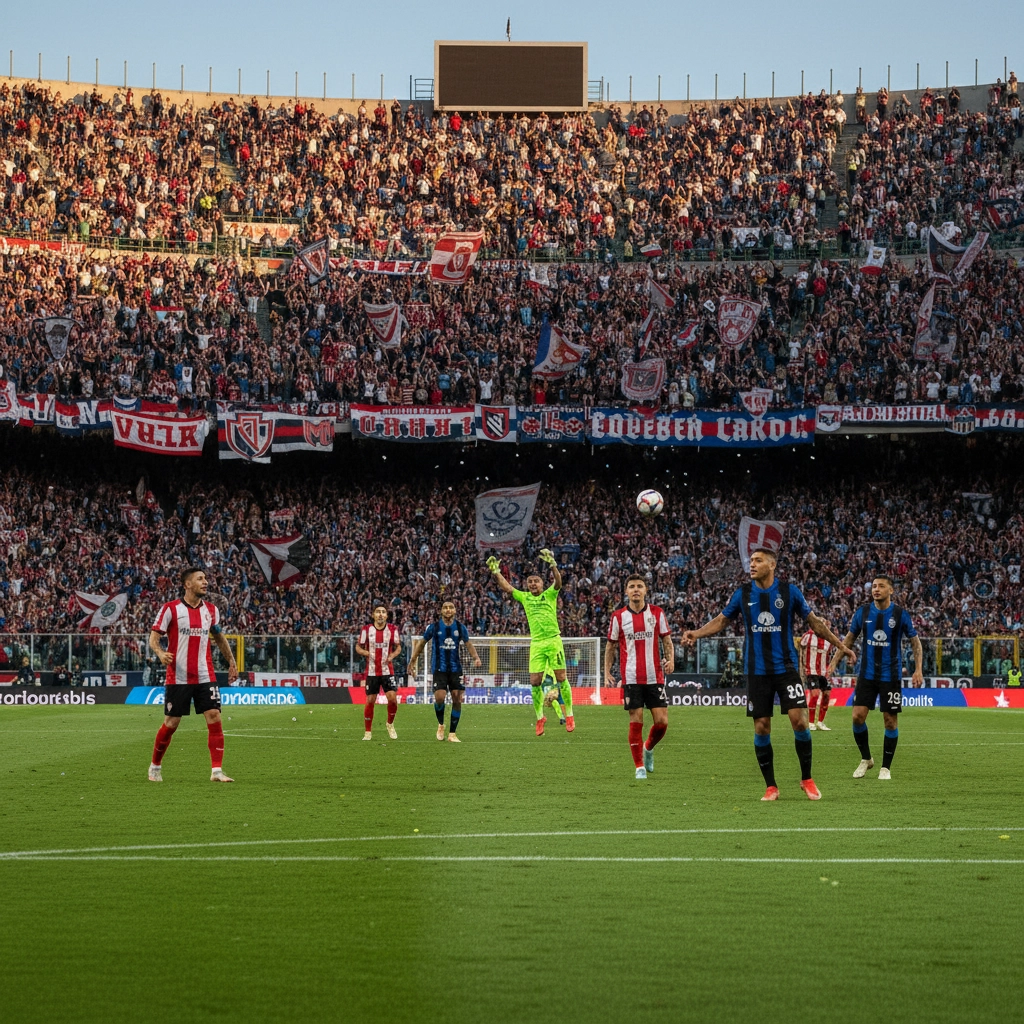
Liverpool — the night Istanbul rewrote a club’s narrative
Liverpool’s mythology is threaded with resilience, but one match crystallized that reputation in the world’s imagination: the 2005 Champions League final in Istanbul. Trailing 3–0 at half-time to a star-studded AC Milan side, the Reds produced one of the most improbable comebacks in modern sport, forcing extra time and winning on penalties. For you, that night is shorthand for belief, collective will, and the psychological power of a single game.
Why Istanbul remains a reference point
- Tactical pivot: The half-time substitution that brought balance to the midfield shifted momentum and demonstrated managerial courage under pressure.
- Iconic moments: Steven Gerrard’s header, Vladimir Šmicer’s follow-up, Xabi Alonso’s composed penalty rebound and Jerzy Dudek’s final saves became instant folklore.
- Cultural impact: The victory reinforced Liverpool’s self-image as a club that never surrenders and elevated its European status after decades of stop‑start continental fortunes.
Recognizing Istanbul helps you see how a single match can transform perception: it turned a generation of players into legends and a one-off night into a permanent chapter of club identity.
AC Milan — tactical perfection against a fashionable foe
AC Milan’s reputation for defensive steel and cerebral match‑planning found one of its clearest statements in the 1994 European Cup final. Under Arrigo Sacchi and then Fabio Capello’s follow-through, Milan produced a ruthlessly efficient performance that demolished Johan Cruyff’s Barcelona — a team admired for flair and positional play. The result wasn’t just a trophy; it was a message about the primacy of structure and discipline.
Why the 1994 demolition still matters
- Stylistic contrast: Milan’s compact shape and transitional ruthlessness exposed the vulnerabilities of a possession-focused opponent, proving a different path to dominance.
- Collective over celebrity: The win highlighted how organizational clarity and role execution can neutralize superstar talent.
- Legacy on recruitment and coaching: The match influenced how European clubs balanced technical flair with tactical robustness for years to come.
For you, Milan’s victory is a reminder that legendary clubs cement themselves not only through great players but through coherent footballing philosophies that withstand changing fashions.
Barcelona — the match that codified a playing identity
Barcelona’s modern legend is inseparable from a style: high-possession, short-passing football that values space, technique and collective intelligence. One match often cited as the clearest expression of that philosophy is the 2011 Champions League final at Wembley, where Pep Guardiola’s side faced Manchester United. It wasn’t only the result that mattered but how Barca imposed a midfield symphony led by Xavi and Andrés Iniesta and crowned by Lionel Messi’s decisive influence.
Why 2011 represents Barcelona’s crest
- Philosophical apex: The performance read like a manifesto for positional play — patient, precise and relentlessly probing.
- Personal and tactical synthesis: The game showcased how individual genius (Messi) can flourish within, and because of, a rigorous team system.
- Global model: The match helped export a blueprint for youth academies and coaching that many clubs still emulate.
Understanding this match lets you see why Barcelona’s identity became more than trophies: it became a widely studied approach that reshaped football education worldwide.
The lasting echo of a single night
Great matches do more than settle scores; they ripple outward — shaping how clubs think, how fans remember, and how the game itself evolves. Whether you watch for the tactical nuances, the human drama, or the cultural resonance, these nights reward attention: they invite rewatching, reappraisal, and conversation across generations. If you want to explore more official archives and historic summaries, the UEFA Champions League history is a useful starting point.
Frequently Asked Questions
What elements most often make a football match legendary?
Legendary matches typically combine high stakes (titles, derbies or redemption), exceptional individual or collective performances, a clear tactical narrative, and significant aftermath — moments that alter perceptions, influence future decisions, or become shared cultural touchstones.
Can a single match really change the direction of a club?
Yes. A one-off victory or defeat can shift managerial strategies, accelerate squad rebuilds, boost recruitment appeal, or redefine a club’s identity. Clubs often use landmark games as reference points when shaping philosophy or making long-term choices.
Where can I watch or research historic matches mentioned in articles like this?
Official club channels, league and competition archives, and sanctioned streaming platforms (e.g., club websites, league services, and UEFA.tv) are the best places to find full-match replays, highlights, and documentaries. For deeper context, seek reputable books, club histories, and contemporary match reports.